









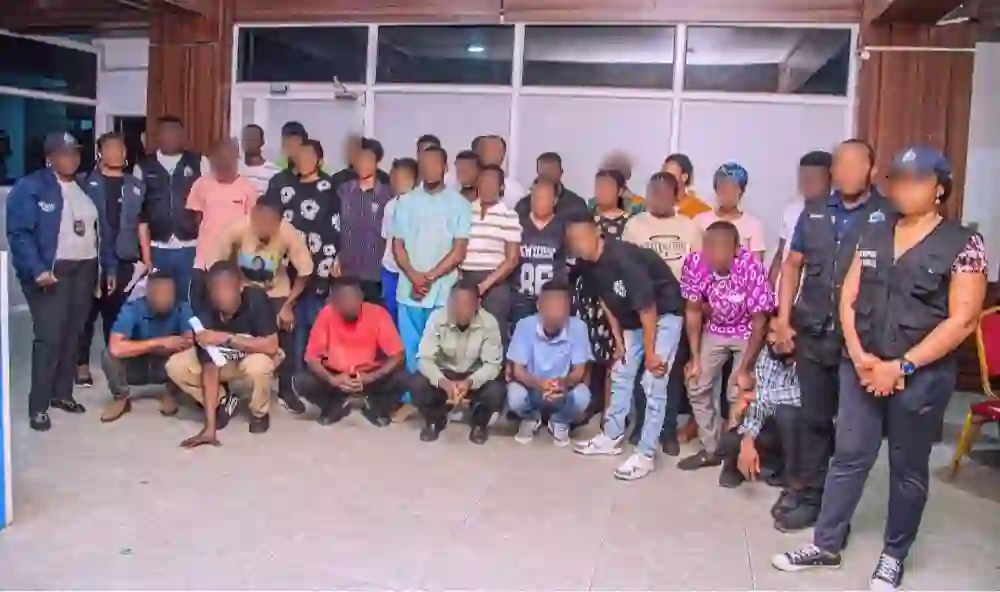
Zamfara State has recorded a 3,850 per cent increase in human trafficking victims over 11 years, while Borno State witnessed a 2,670 per cent rise, according to data from the National Agency for the Prohibition of Trafficking in Persons (NAPTIP).
The figures, covering the period between 2015 and 2025, also show a 57 per cent decline in the number of trafficking victims recorded in Edo State, which still maintains the highest cumulative number of victims nationwide.
The findings are contained in the final part of a three-part investigation, based on 11 years of NAPTIP records obtained through a Freedom of Information (FOI) request.
For many years, Edo was regarded as one of Nigeria’s major human trafficking hotspots, with several young women trafficked through Libya to Italy, where many were reportedly forced into prostitution and other forms of exploitation.
However, the latest figures suggest a significant shift in the distribution of trafficking victims recorded across the country.
According to the report, Zamfara recorded only two victims in 2015 but the figure increased to 79 in 2025, representing a 3,850 per cent rise.
Similarly, Borno’s recorded cases increased from 10 in 2015 to 277 in 2025, representing a 2,670 per cent increase.
Benue State also experienced a significant rise, recording 307 victims in 2025 compared with 59 in 2015, representing a 420 per cent increase.
NAPTIP recorded a total of 2,584 trafficking victims nationwide in 2025. However, the agency’s figures represent only individuals identified by its officials, meaning the actual number of victims could be higher.
Edo Records 57% Decline
Edo State recorded its highest number of trafficking victims in 2017, when NAPTIP documented 353 cases.
By 2025, the figure had dropped to 150, representing a 57 per cent decline from the 2017 peak.
Despite the reduction, Edo maintained the highest cumulative number of trafficking victims in the 11-year period, with more than 1,700 cases recorded.
The report noted that the decline does not necessarily mean human trafficking has reduced in the state, as changes in migration routes, detection methods and reporting practices could also explain the figures.
Borno Records 2,670% Increase
Borno State recorded 10 trafficking victims in 2015, but the number increased significantly to 277 in 2025.
The development comes against the backdrop of years of insurgency involving Boko Haram and the Islamic State West Africa Province (ISWAP), which have displaced millions of people and exposed women and children to abduction, forced marriages and other forms of exploitation.
NAPTIP also recorded 29 cases involving the procurement or recruitment of individuals for armed conflicts within the 11-year period.
However, the agency’s data did not provide a state-by-state breakdown of those cases, making it difficult to establish how many were connected to Borno.
Zamfara Records 3,850% Increase
Zamfara State recorded just two trafficking victims in 2015, but the figure rose to 79 in 2025, representing a 3,850 per cent increase.
The increase became more noticeable in 2020, when the number of recorded victims rose from two to 32.
Zamfara is also known for its illegal gold-mining activities, which have raised concerns about child labour, criminal activities and the exploitation of vulnerable residents.
However, the NAPTIP records do not establish any direct connection between the increase in trafficking cases and illegal mining activities in the state.
Benue Records Highest Figures As FCT Reports Only 22 Victims
Benue State recorded 307 trafficking victims in 2025, the highest annual figure for the state within the period under review.
This represents a 420 per cent increase compared with the 59 victims recorded in 2015.
Meanwhile, the Federal Capital Territory (FCT) recorded only 22 victims throughout the 11 years covered by the investigation.
In 2025, just two victims were recorded in the FCT.
The figure has raised questions about the level of trafficking detection and reporting in the territory, particularly following THE WHISTLER’s investigation into illegal gold mining activities in Pangu community, Kwali Area Council.
During the investigation, the newspaper reportedly documented children between the ages of nine and 15 working alongside adults in illegal mining pits located about nine kilometres from the Abuja-Lokoja Expressway.
Lagos Records 39 Trafficking Victims
Lagos State, Nigeria’s commercial centre, recorded 39 trafficking victims in 2025.
The number of victims attributed to the state did not exceed 119 in any year covered by the 11-year dataset.
However, NAPTIP’s figures are based on the states where victims originate rather than the locations where they are trafficked or exploited.
This means the 39 victims recorded against Lagos do not represent the total number of people trafficked into, through or exploited within the state.
As a major commercial hub, Lagos also receives victims from other parts of Nigeria and beyond, whose cases may be attributed to their states or countries of origin.
NAPTIP Records 1,330 Investigations, 77 Convictions
The investigation also highlighted the gap between trafficking investigations and successful prosecutions.
NAPTIP recorded 1,330 investigations in 2025, alongside 82 prosecutions and 77 convictions.



This means 1,248 investigations did not result in prosecution within the same reporting period, although some cases may still be pending or undergoing further investigation.
The 77 convictions represent approximately 5.8 per cent of the total investigations recorded during the year.
The agency also recorded 1,298 arrests in 2025, compared with 1,330 investigations.
In 2023, NAPTIP recorded 1,029 arrests against 916 investigations.
The three-part investigation examined changes in human trafficking patterns, destinations and methods across Nigeria over the 11-year period.
The first part revealed that Ghana had emerged as a major destination for Nigerian trafficking victims, with recorded figures approaching those associated with Libya.
The second part examined the rise in cybercrime-related trafficking cases, which increased to 375 in 2024 before dropping to 21 in 2025.
It also highlighted a 380 per cent increase in recorded female child domestic labour victims within one year, while forced labour victims outside Nigeria reached their highest recorded level in 2025.
The latest findings point to changing trafficking patterns across the country and highlight the need for stronger investigations, improved victim identification and more effective prosecution of human trafficking offences.
READ ALSO:
- Zamfara Records 3,850% Rise In Human Trafficking Cases As Borno Surges 2,670%
- INEC Deletes 1.6 Million Invalid Voter Records, Identifies 54 Officials for Possible Prosecution
- 2027: Appeal Court Swears In 375 Judges For Election Petition Tribunals
- The Dawn Of The AI Vote | The Surge By Boma Lilian Braide (Esq)
- UN Warns 2027 Could Become Hottest Year on Record