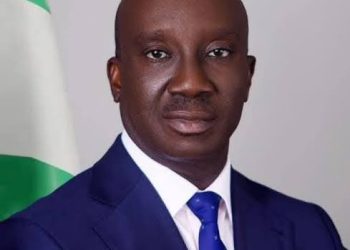










Governor Abba Kabir Yusuf’s switch to the All Progressives Congress has cast new uncertainty over Kano’s two-year royal dispute, leaving residents wondering whether the political shift will bring resolution or add another layer of complexity to the crisis.
Since 2024, Kano has witnessed an unusual situation: two emirs claiming legitimacy to the same throne. Emir Muhammadu Sanusi II presides from the traditional Gidan Rumfa Palace, while Emir Aminu Ado Bayero maintains his position at the Nassarawa mini-palace. Both command support from opposing political factions.
Origins of the Dispute
The conflict traces back to March 2020, when then-Governor Abdullahi Umar Ganduje removed Emir Sanusi Lamido Sanusi over alleged insubordination, installing Aminu Ado Bayero in his place. Political observers noted the decision coincided with Sanusi’s apparent ties to Senator Rabiu Musa Kwankwaso.
The situation reversed in May 2024 when Yusuf’s NNPP administration dissolved the five-emirate system created in 2019, returning to a single emirate and reinstating Sanusi. Bayero responded with legal action challenging his removal.
Political Realignment
Yusuf’s entry into the APC places him alongside Ganduje and Deputy Senate President Barau Jibrin, both seen as backing Bayero. The move also distances Yusuf from Kwankwaso, his former mentor believed instrumental in Sanusi’s return.
This political restructuring has prompted questions about whether the emirship issue might be reconsidered as part of broader party reconciliation efforts.
Possibility of Dialogue
Information Commissioner Ibrahim Abdullahi Waiya hinted at potential resolution through talks rather than continued litigation.
“We will address these matters through calm discussion. Where apologies are appropriate, they will be made. Where forgiveness is needed, it will be extended. Sometimes sacrifice becomes necessary for peace,” Waiya stated on radio.
Governor Stands Firm
Responding to speculation, Yusuf’s spokesman Sanusi Bature clarified the administration’s position.
“No plan exists to replace Emir Sanusi. His appointment followed proper legal procedures after the emirate law was repealed. The executive has no intention of further amendments. Joining the APC does not alter this position,” Bature said.
Bayero’s Camp Rejects Negotiations



Supporters of Emir Bayero have dismissed settlement talks. Sarkin Dawakin Babba Aminu Babban Dan Agundi, who filed the legal challenge, insists the courts must decide.
“No negotiation can remove Emir Aminu Ado Bayero. This matter rests with the judiciary. Only the court can render judgment. We await the Supreme Court’s ruling,” he stated.
Legal Perspective
Barrister Umar Usman Dan Baito of Northwest University notes that settlement remains legally viable despite ongoing litigation.
“Nigerian law permits settlement at any stage through Alternative Dispute Resolution. If parties agree and the court adopts their settlement, the case concludes,” Dan Baito explained.
Uncertain Path Forward
While Yusuf’s APC membership could theoretically facilitate political consensus, it has also intensified divisions between competing factions.
With court proceedings ongoing and political considerations intersecting with traditional authority, the emirship question remains unresolved. Whether the governor’s party switch will enable lasting settlement or create additional complications depends on how stakeholders navigate political discussions, legal proceedings, and traditional reconciliation in coming weeks.
READ ALSO:
- Kano Throne Dispute: Yusuf’s APC Switch Raises Questions Over Emirship Standoff
- Advertising Pioneer Chief Olu Falomo Dies at 87
- Safety Group Demands Immediate Action on Deteriorating Yaba School Building
- Osun Assembly, APC Council Chiefs Trade Accusations Over LG Fund Management
- Rising Nigerian Vocalist Dies Following Snake Bite in Abuja