









Pipeline Infrastructure Nigeria Limited (PINL) has become a vital force in revitalizing Nigeria’s oil and gas industry, proving that robust pipeline security transcends mere asset protection to become a catalyst for production expansion, revenue growth, and energy independence.
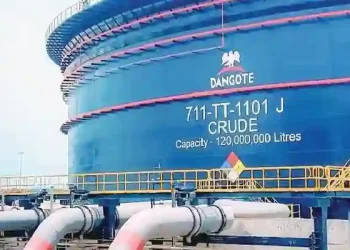
For years, Nigeria’s oil production struggles stemmed not from insufficient reserves but from infrastructure attacks, crude theft, and extended pipeline shutdowns. Key assets like the Trans Niger Pipeline (TNP) faced constant disruptions, compelling producers to halt wells, default on export obligations, and cost the nation billions in lost revenue. PINL’s involvement has fundamentally changed this narrative.
Deploying cutting-edge surveillance systems, swift-response security teams, and a groundbreaking community-focused engagement approach, PINL has dramatically curtailed pipeline vandalism and illegal tapping across major routes. This strategy has maintained almost uninterrupted crude transport, with pipeline uptime reported at approximately 97 percent, occasionally reaching full operational capacity.
The financial impact has been substantial. Consistent and secure crude evacuation has allowed operators to restart dormant wells, increase output, and establish predictable production schedules. Certain fields achieved peak daily production exceeding 335,000 barrels following enhanced pipeline security. Remarkably, Bayelsa State experienced zero pipeline vandalism incidents throughout an entire year—a breakthrough largely credited to PINL’s community surveillance network and relationship-building efforts.
PINL’s community engagement model marks a fundamental shift from traditional security approaches. Through direct collaboration with traditional leaders, youth organizations, and women’s groups, coupled with empowerment initiatives, educational scholarships, and ongoing dialogue, local communities have evolved from bystanders into active participants in infrastructure protection. This earned social license has proved crucial for maintaining enduring security and operational continuity.
PINL’s achievements carry particular weight given Nigeria’s fiscal projections. The Senate-approved 2026–2028 Medium-Term Expenditure Framework (MTEF) and Fiscal Strategy Paper (FSP) base the 2026 federal budget on an oil production target of 1.84 million barrels per day (mbpd). This benchmark, proposed by President Bola Tinubu, represents a challenging goal considering recent production averaging around 1.64 mbpd and existing OPEC quota limitations.



Energy experts and OPEC analysts have questioned whether this target is achievable without fundamental improvements in infrastructure protection. This context underscores PINL’s essential contribution. By safeguarding the TNP and other critical pipelines, PINL has stabilized crude flows, boosted export volumes, and enhanced Nigeria’s reliability in fulfilling production obligations.
The Nigerian National Petroleum Company Limited (NNPCL) has repeatedly recognized that strengthened pipeline security and improved community engagement underpin recent production increases. The NNPCL-PINL partnership is considered instrumental in Nigeria’s drive toward the 1.84 mbpd target and the long-term goal of surpassing 2.0 mbpd.
PINL’s influence reaches beyond production metrics to encompass wider economic stability. Higher output generates increased government revenue, better budget implementation, stronger foreign exchange earnings, and revitalized investor confidence in Nigeria’s upstream sector. In this capacity, PINL operates not merely as a security contractor but as a stabilizing force in Nigeria’s energy economy.
Ultimately, Pipeline Infrastructure Nigeria Limited has secured the physical infrastructure supporting Nigeria’s oil industry while simultaneously creating economic value. Its integrated framework combining technology-enhanced surveillance, community collaboration, and operational excellence shows that sustained production growth requires inclusive security governance. As Nigeria pursues its 2026 oil production objectives and beyond, PINL’s contribution remains essential to transforming aspiration into achievement.
Martin White
Public Affairs Analyst
Writes from Warri
READ ALSO:
- Ex-Nigeria Oil Minister Diezani Alison-Madueke on Bribery Trial Spent £2m at Harrods, Court Hears
- Turkish Officials Call Nigerian Media’s Focus on Tinubu’s Stumble ‘Silly and Mischievous’ – Dabiri-Erewa
- Lawmakers Condemn Gombe Bandit Attacks, Press for Swift Military Response
- NSCDC Clarifies Position on Delayed Promotion Arrears Payment
- Adron Homes Unveils Valentine’s Property Investment Campaign with Premium Incentives