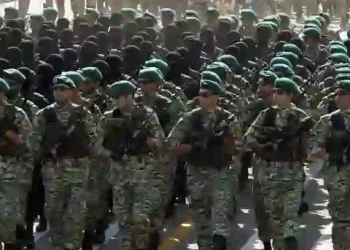







Russian forces are suffering battlefield casualties at their sharpest rate since launching the full-scale invasion of Ukraine in 2022, even as Washington works to advance ceasefire negotiations between Moscow and Kyiv.
Fatality rates among Russian troops have climbed steeply over the last ten months. Analysis of obituaries published in Russian media shows approximately 40% more death notices appeared in 2025 compared to the same timeframe in 2024, pointing to mounting losses.
Open-source documentation—including memorial records, obituaries, and social media—has confirmed nearly 160,000 named Russian fighters killed since the war began. This data, compiled with support from Mediazona and independent volunteer researchers, likely captures only 45–65% of actual deaths, according to military analysts. The true figure is estimated to fall between 243,000 and 352,000.
Spikes in casualties have coincided with major diplomatic developments. Following relatively lower death rates in January, losses rose in February after President Donald Trump and Russian President Vladimir Putin held their first direct discussions. Another surge occurred in August around their Alaska meeting. The most lethal phase emerged in October and November—averaging 322 obituaries daily, double the 2024 rate—as a planned second summit was scrapped and the US introduced a 28-point peace framework.
Observers suggest Russia may be intensifying operations to secure territorial advantages ahead of potential negotiations. Kremlin representatives have recently pointed to battlefield progress as bargaining leverage.
This year’s casualties increasingly include non-professional soldiers. Among them was Murat Mukashev, a Moscow activist who had publicly opposed the war. After his arrest on drug-related charges in 2024, he was presented with an option under Russian law: enlist and have charges dismissed. Initially declining, he eventually signed a military contract, reportedly hoping a peace agreement would allow early departure. He was killed in June 2025 during combat in Ukraine’s Kharkiv region.
Civilian volunteers—those who signed contracts after the invasion started—now represent a growing portion of Russian deaths. While comprising 15% of fatalities a year ago, they account for roughly one-third in 2025. Regional governments have offered substantial financial incentives and specifically recruited individuals facing debt or legal troubles, enabling the Kremlin to maintain force levels without declaring general mobilization.

Officials reported that 336,000 people enlisted by October 2025. NATO estimates approximately 25,000 Russian soldiers die monthly, indicating recruitment still outpaces losses.
Despite promised compensation reaching up to 10 million rubles annually, many recruits remain unaware that contracts signed since September 2022 automatically continue until the war’s conclusion.
NATO places Russia’s total casualties—killed and wounded combined—at roughly 1.1 million, with fatalities near 250,000. Ukrainian forces have also sustained severe losses, with battlefield deaths estimated as high as 140,000, reflecting the immense human toll as the conflict enters its fourth year.
READ ALSO:
- NLC Moves To End NURTW Crisis As MC Oluomo, Baruwa Agree To Peace Talks
- INEC To Conduct Mock Presidential Election Ahead Of 2027
- Experts Urge Tinubu to Drive Football Governance Reforms as Calls for NFF Overhaul Grow
- Kidnapped NECO Candidates, School Principal Rescued in Kogi Security Operation
- Investors at UBA Business Series Identify Africa’s Next Billion-Dollar Opportunities