









The Lagos State Water Corporation (LWC) has initiated an extensive rehabilitation programme for two of the state’s critical water infrastructure assets the Iju and Adiyan treatment plants.
Set to run until October 2026, the eight-month initiative seeks to expand access to clean drinking water, modernise aging infrastructure, and improve overall service delivery to residents.
The project was formally launched on Tuesday during a stakeholder meeting at the corporation’s Ijora headquarters.
Titled “Rehabilitation of Iju Headworks and Akute Intake Station – Lots 1, 2, and 3,” the state government-funded programme forms part of LWC’s five-year strategic business plan, which identifies infrastructure renewal as essential to overcoming current operational constraints.
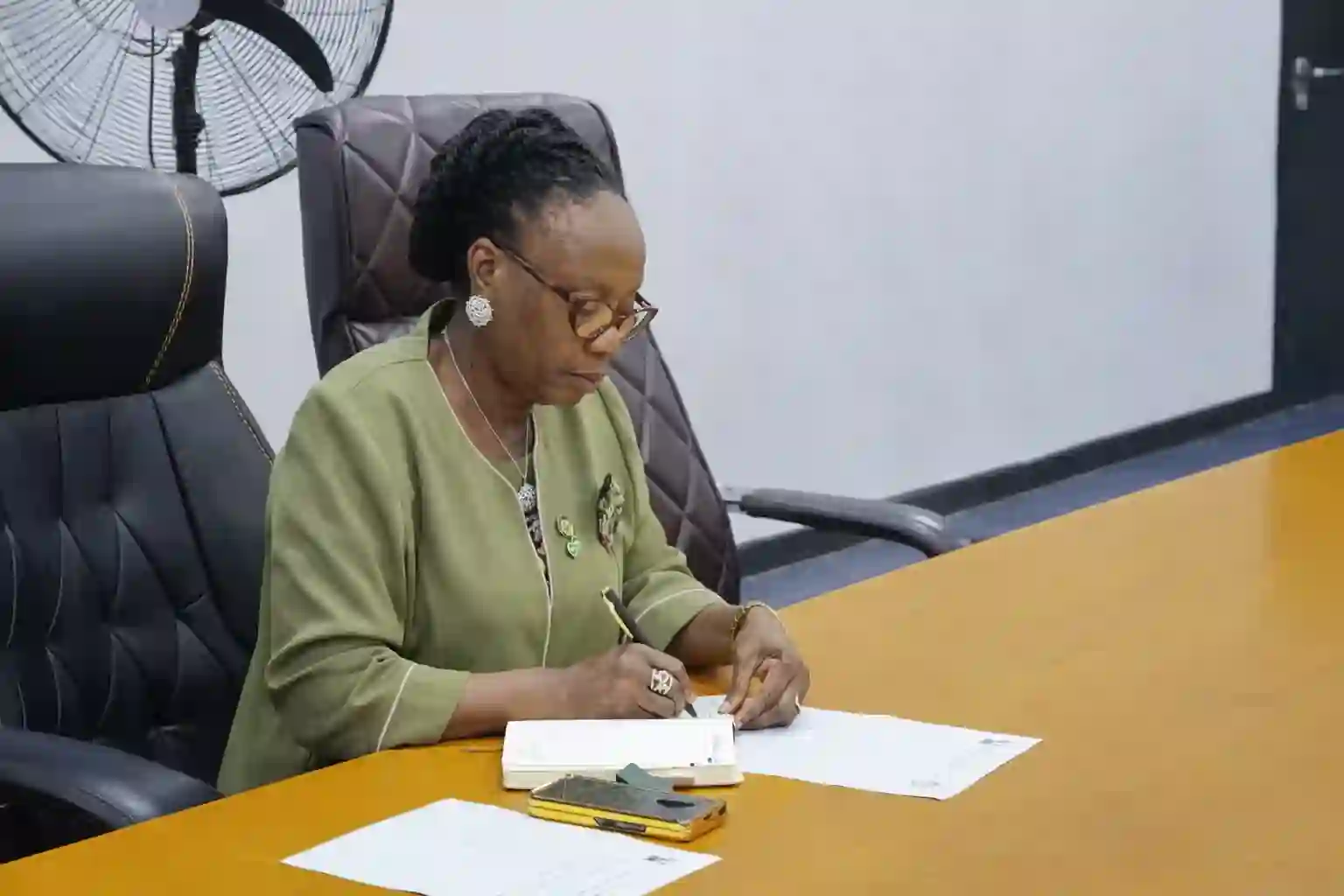
Engr. Mukhtaar Tijani, LWC’s Managing Director, represented by Executive Director of Operations Engr. (Mrs.) Helen Omolanke Taiwo, stressed that the work would meet rigorous technical standards.



“This project must not be business as usual. We want all hands on deck to ensure timely and successful delivery. Let this dream become a reality,” he said.
Engr. Agiri Mustapha, Director of Production, acknowledged previous difficulties with pump installations and described the rehabilitation as both critical and deeply significant for the corporation and state government alike.
The contractors KSB Pumps & Valves Nigeria Ltd., Wilo Pumps Nigeria Ltd., and Springfield Electric Ltd.—pledged to fulfil their obligations and deliver quality results on schedule.
The Iju Water Treatment Plant, among Lagos’s oldest facilities dating to the colonial era, initially produced 2.45 million gallons per day (MGD). Subsequent upgrades raised its capacity to roughly 45 MGD to accommodate the city’s expanding population.
Meanwhile, the Adiyan Waterworks, commissioned in 1991 under the Lagos Water Supply Expansion Project, was designed to produce approximately 70 MGD, positioning it as one of the state’s largest treatment plants.
Both facilities are operated by LWC and form part of a wider network that includes smaller treatment sites designed to enhance water supply reliability for Lagos’s rapidly growing population.
READ ALSO:
- Mining Sector Leaders to Address Women’s Economic Inclusion at Cape Town Summit
- Nigeria and Palestine Strengthen Bilateral Ties and Consular Cooperation
- Olakunle Churchill and Tonto Dikeh reconcile after decade-long separation, reunite with son
- Lagos Launches Eight-Month Upgrade of Major Water Treatment Facilities
- Senator Suswam Quits PDP, Cites Unresolved Internal Turmoil