






As Europe intensifies efforts to diversify its energy mix and cut carbon emissions, North Africa’s evolving electricity sector is gaining traction as a key partner. New power interconnections, expanding grids, and renewable energy investments alongside Libya’s growing ambitions are attracting investor interest ahead of the Invest in African Energy Forum in Paris.
For decades, Europe’s energy ties with North Africa have largely depended on hydrocarbons, including pipeline gas from Algeria, oil from Libya, and liquefied natural gas (LNG) shipments across the Mediterranean. However, a shift is underway as electricity trade begins to play a more prominent role in the relationship.
Major infrastructure projects are already driving this transition. One of the most notable is the ELMED interconnector, a proposed high-voltage subsea cable linking Tunisia to Sicily. Expected to be operational later this decade, the 220-kilometre cable will transmit up to 600 megawatts of electricity, enabling two-way power flows between Africa and Europe. This will help integrate electricity markets and allow North Africa to export surplus power.
Libya’s Strategic Position
Although Libya’s electricity sector is currently focused on domestic supply, the country is well-positioned to become a central hub in a future North African power corridor. Ongoing discussions involving Libya, Algeria, and Tunisia have explored the development of a regional “electric corridor” connecting their national grids, which could eventually link to broader Mediterranean systems supplying Europe.
Such cross-border integration would allow electricity generated from gas, renewable, or hybrid sources in North Africa to flow efficiently into European markets. For Libya, this presents an opportunity to expand beyond its traditional role as a hydrocarbon exporter.
With abundant natural gas reserves and an existing power generation base largely fueled by domestic gas, Libya could strengthen its position through investments in grid upgrades, renewable energy, and regional transmission infrastructure. This would enable the country to emerge as a flexible electricity exporter within a wider Mediterranean network.
Balancing LNG and Electricity Trade
The rise of electricity exports does not diminish Africa’s growing LNG sector but rather complements it. Countries such as Mozambique, Senegal-Mauritania, and Nigeria are boosting Africa’s footprint in global LNG supply.
At the same time, North Africa’s electricity initiatives introduce a hybrid energy model. Gas-fired power plants can deliver stable baseload electricity for export, while renewable energy sources help reduce emissions and align with Europe’s climate goals.
For European consumers facing supply uncertainties and market volatility, combining LNG imports with cross-border electricity connections offers a more resilient and diversified energy strategy.
Investment Outlook and IAE 2026
These developments are expected to feature prominently at the upcoming Invest in African Energy Forum (IAE) in Paris. The event will bring together policymakers, investors, and energy stakeholders to explore cross-border opportunities and infrastructure development.
Libya’s participation, including representation from its Renewable Energy Authority led by Chairman Dr. Abdulsalam Elansari, underscores the country’s intent to position itself within this emerging regional energy framework.
Investors are increasingly drawn not only to power generation projects but also to the infrastructure supporting them—such as high-voltage transmission lines, subsea cables, energy storage systems, and grid modernization.
While electricity trade between North Africa and Europe is still in its early stages, momentum is building rapidly. With its combination of natural gas resources, strong solar potential, and geographic proximity to Europe, North Africa is poised to become a vital electricity partner.
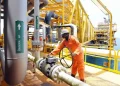

If current interconnection projects and regional grid initiatives succeed, the Mediterranean could soon serve as a conduit not just for oil, gas, and LNG, but also for high-voltage electricity—reshaping energy flows between Africa and Europe and opening new opportunities for global investors.
READ ALSO:
- EFCC Appeals Acquittal of Omatsuli, Others in ₦3.6 Billion Money Laundering Case
- Dauda Lawal Bags BON Infrastructure Governor of the Year Award
- Falgore and Garo Lead Race for Kano Deputy Governor After Gwarzo’s Resignation
- US Lobbying Firm Threatens Sanctions on Nigerian Politicians and INEC Officials Over Election Manipulation
- Zamfara Assembly Suspends Two LG Chairmen Over Alleged Financial Misconduct