

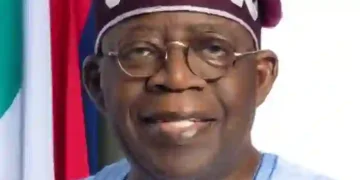

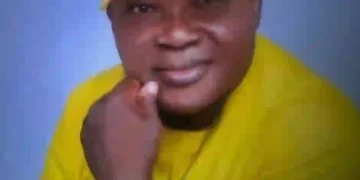




The killing of a prominent politician inside his own home has once again exposed the fragile safety net around Nigeria’s political class, barely a year away from the 2027 general elections. Ikechukwu Oloto, a well-known figure in Nsukka political circles fondly called “Okanga Mo” by supporters, was found dying at his Odenigbo residence on the evening of Thursday, 17 September 2026, bearing deep machete wounds to the head and stomach. He was rushed to a nearby hospital where a doctor pronounced him dead, and his remains have since been deposited in a mortuary pending autopsy.
The Enugu State Police Command, through its spokesperson SP Daniel Ndukwe, confirmed the tragedy a day later, on Friday, 18 September, stating that officers had been alerted at about 5:45pm when neighbours discovered the 53-year-old lying in a pool of blood. Ndukwe’s account was measured but grim, describing operatives who “promptly responded” to the scene only to find a man already gravely wounded, his injuries consistent with a violent, targeted assault rather than a robbery gone wrong. No arrests have yet been made, though a manhunt for the assailant or assailants has been launched, and investigators are said to be working to reconstruct the sequence of events that led to Oloto’s death.
Unverified chatter on social media has suggested a knife may also have been used in the attack, but the police have stuck strictly to their account of machete cuts, declining for now to speculate on motive or link the killing to Oloto’s political activities. That silence has done little to calm nerves in a state, and indeed a country, already on edge about the growing pattern of violence targeting politicians ahead of the 2027 polls. Oloto’s death arrives against a troubling backdrop: only recently, gunmen killed Lucky Idoko, the APC’s youth leader in Igbo-Eze South Local Government Area, in the nearby community of Unadu, a reminder that political violence in Enugu State is neither new nor isolated.


For a party already navigating the delicate arithmetic of alliances and grassroots loyalty ahead of 2027, the loss of a grassroots mobiliser like Oloto is more than a personal tragedy; it is a test of how seriously Nigeria’s security architecture takes the protection of those who keep the political machine running at the ward and local government level. As Enugu Police continue their investigation, many in Nsukka are left asking not just who killed “Okanga Mo,” but why , and whether his name will be added to a growing list of political killings that Nigeria has yet to meaningfully answer for.
READ ALSO:
- The Couple Who Hid Us From Abacha’s Men | By Babafemi Ojudu
- Tinubu Set To Name Wike Rivers, FCT Campaign Coordinator Ahead Of 2027
- Lagos Orders Residents in Flood-Prone Areas to Move to Safer Locations
- Miners’ Deaths: NSCDC Suspends Three More Personnel, Orders Three-Day Half-Mast
- Soludo: APGA helped many Igbo politicians rise to prominence