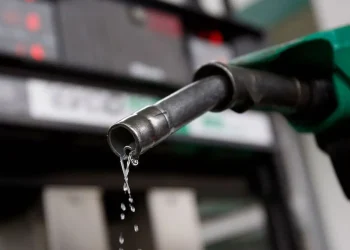









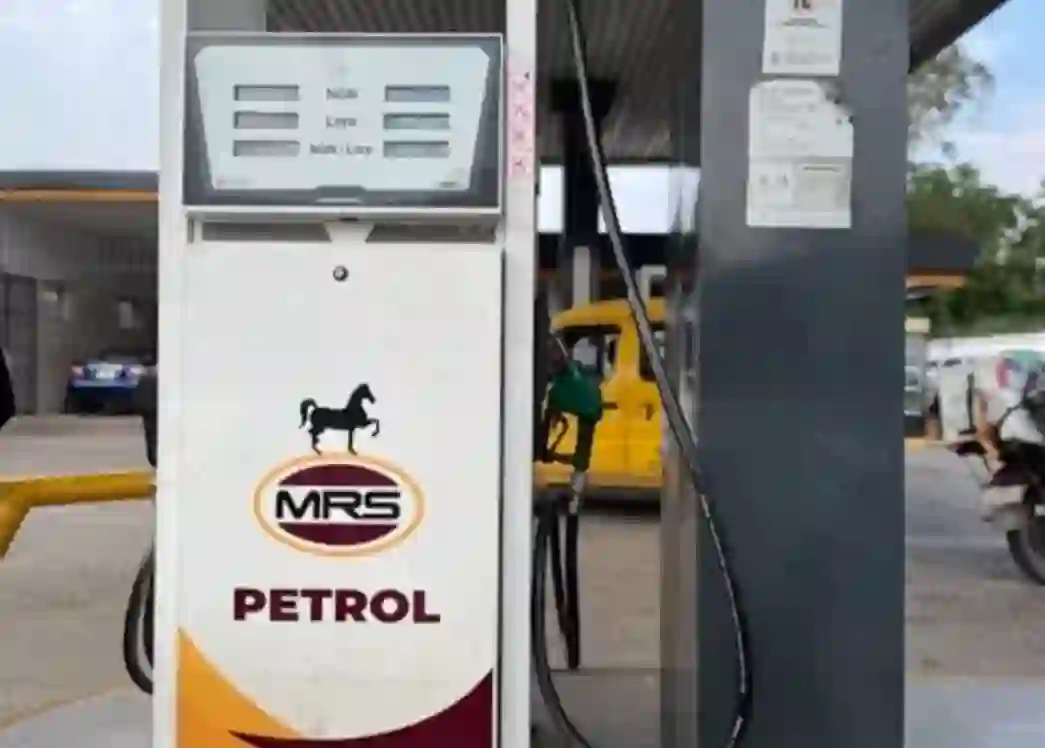
The Federal Government has directed the Nigerian Midstream and Downstream Petroleum Regulatory Authority (NMDPRA) to ensure petroleum marketers do not exploit consumers by keeping petrol prices artificially high despite the decline in global crude oil prices.
Minister of State for Petroleum Resources (Oil), Senator Heineken Lokpobiri, issued the directive in Abuja during the opening of the NMDPRA General Counsel and Legal Advisers Forum, where he stressed that while the downstream petroleum sector remains deregulated, the regulator must prevent profiteering and protect consumers.
The two-day forum, themed “Beyond Compliance: Driving Regulatory Certainty and Investment Confidence in Nigeria’s Petroleum Sector,” focused on strengthening Nigeria’s petroleum regulatory framework and boosting investor confidence.
Consumers Yet to Feel Benefits of Falling Crude Prices
Lokpobiri noted that with tensions in the Middle East easing and international crude oil prices falling sharply from about $120 per barrel to around $72 per barrel, Nigerians expected corresponding reductions in the pump price of Premium Motor Spirit (PMS), popularly known as petrol.
However, he observed that refiners and marketers have continued selling petrol at elevated prices despite the drop in global oil prices.
According to him, market forces are expected to restore price equilibrium over time, but the regulator must also ensure that deregulation does not become a tool for excessive profiteering.
He said the Petroleum Industry Act (PIA) empowers the NMDPRA to monitor market practices and safeguard consumer interests while maintaining a competitive downstream sector.
NMDPRA Told to Protect Consumers
Beyond pricing, the minister instructed the agency to intensify monitoring of filling stations to ensure motorists receive the exact quantity of fuel they pay for.
He stressed that consumers deserve value for money, warning that under-dispensing of petroleum products would not be tolerated.
Lokpobiri also praised the deregulation policy for preventing fuel shortages during recent geopolitical tensions involving the United States and Iran, noting that increased domestic refining capacity had strengthened Nigeria’s fuel supply chain.
Regulatory Stability Key to Investment
The minister described the Petroleum Industry Act as the foundation for transforming Nigeria’s oil and gas industry but stressed that investor confidence now depends on consistent and transparent implementation of the law.
He urged legal advisers within the petroleum industry to become partners in attracting investment rather than creating unnecessary regulatory bottlenecks.
According to him, Nigeria’s success will ultimately be measured by investments attracted, businesses established, jobs created and economic value generated—not by the number of regulations issued.
NMDPRA Promises Greater Transparency
Earlier, the Chief Executive of NMDPRA, Mallam Rabiu Umar, said the petroleum industry has reached a stage where regulatory certainty and transparency are more important than mere compliance.
He noted that the implementation of the Petroleum Industry Act has shifted attention from what the law provides to how effectively it is being enforced.
Similarly, the agency’s Secretary and Legal Adviser, Dr. Joseph Tolorunse, said stable fiscal policies and regulatory consistency would improve Nigeria’s competitiveness and attract more investment into the oil and gas sector.
Depot Prices Show Signs of Decline
Latest market data showed slight reductions in petrol depot prices across several parts of the country.
In Lagos, operators including African Terminal, AIPEC, AITEO, BONO, EMADEB and Techno Oil recorded marginal price cuts ranging between ₦1 and ₦6 per litre, with EMADEB posting the largest reduction.
Port Harcourt also recorded mixed movements. While petrol prices remained relatively stable, diesel prices increased at some depots and declined at others.



In Calabar, Fynfield reduced its petrol price, while Soroman maintained existing rates. Warri also witnessed modest reductions by Matrix, Nepal and Prudent depots.
Industry analysts say the gradual moderation reflects increased competition driven by growing domestic refining capacity.
Dangote Refinery Influencing Market Prices
Managing Director of 11 Plc, Osagie Ogedegbe, said Dangote Refinery currently plays the dominant role in determining petrol prices because most marketers source their products from the refinery.
According to him, further reductions in pump prices are likely if the naira remains stable and international crude prices continue their downward trend.
He expressed optimism that motorists could begin to see lower prices in the coming days.
Experts Explain Slow Price Reductions
Energy consultant Atiemoria Ebhodaghe attributed the delay in reducing pump prices to what economists describe as the “rockets and feathers” phenomenon, where marketers quickly increase prices when costs rise but delay passing savings to consumers when costs decline.
He explained that although Dangote Refinery purchases crude in naira, pricing is still linked to international dollar-based crude values, meaning exchange rate fluctuations continue to affect production costs.
Ebhodaghe said recent reductions in wholesale prices and adjustments by the Nigerian National Petroleum Company (NNPC) indicate that lower retail prices are inevitable, though consumers may have to wait until marketers clear existing inventories purchased at higher costs.
Marketers Cite Previous Losses
A senior member of the Major Energies Marketers Association of Nigeria (MEMAN), who requested anonymity, said marketers are reducing prices cautiously because they are still recovering losses incurred over the past 18 months.
He explained that every major price drop erodes the value of existing fuel stocks, forcing marketers to gradually adjust prices to minimise financial losses.
According to him, this is standard business practice across commodity markets and should not be interpreted as deliberate exploitation.
Consumers Still Waiting for Relief
Petroleumprice.ng also observed that motorists are yet to benefit from the recent decline in crude oil and depot prices.
Its Managing Director, Olitide Jeremiah, said the industry is waiting to see how downstream operators respond to changing market realities.
Similarly, the Oil and Gas Services Providers Association of Nigeria (OGSPAN) said Nigeria’s downstream market is yet to become sufficiently competitive for fuel prices to respond quickly to changes in global oil prices.
NLC Blames Government
Meanwhile, the Nigeria Labour Congress (NLC) accused the Federal Government of creating conditions that allow marketers to dictate fuel prices.
The labour union argued that genuine deregulation requires healthy competition and effective regulation rather than allowing a few dominant players to control the market.
According to the NLC, the continued refusal to reduce petrol prices despite falling crude oil costs demonstrates that the current market structure is failing ordinary Nigerians.
The Congress urged the Federal Government to dismantle monopolistic practices, strengthen regulatory oversight and ensure consumers benefit from favourable developments in the global oil market.
Industry observers expect pump prices to ease in the coming weeks if crude oil prices remain low, the naira maintains stability and competition among suppliers continues to improve.
READ ALSO:
- Traditional Chief Shot Dead at Burial Ceremony in Ondo
- Governor Otti, Westbrook, and Karl Kani to Be Honored at 5th Afro Awards in Los Angeles
- Aiyedatiwa pledges support for NAF crash recovery operation in Ondo
- Climate change puts Nigeria’s food production at risk as farmers suffer heavy losses
- World Bank Warns Fuel Prices Could Slow Nigeria’s Poverty Reduction