








The Federal Government has announced that it has secured more than $6 billion in funding from the World Bank and other development partners to address poverty, support vulnerable households and create more economic opportunities for Nigerians.
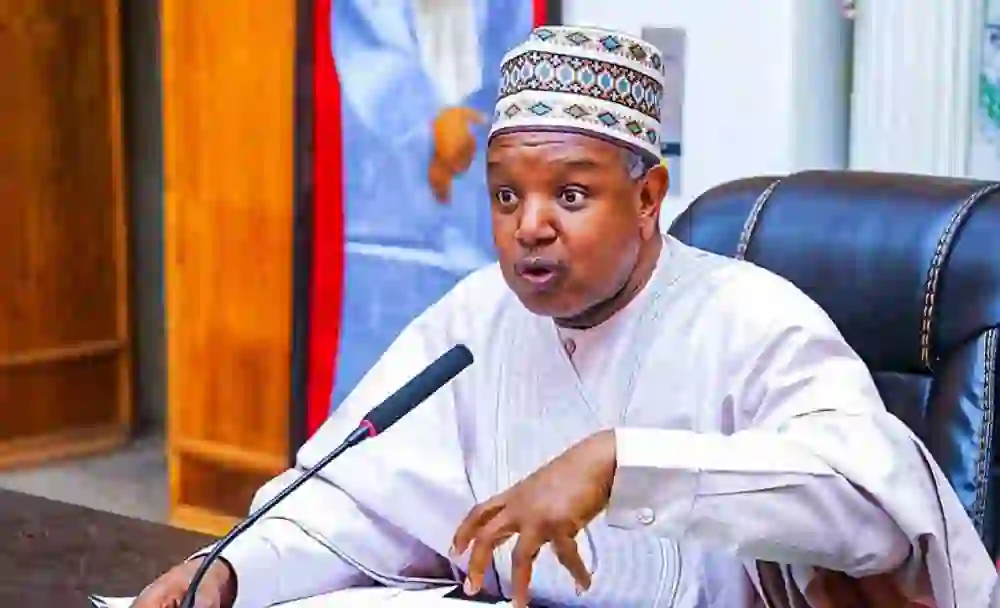
The Minister of Budget and Economic Planning, Senator Abubakar Atiku Bagudu, disclosed this in Abuja during the 32nd Nigerian Economic Summit, themed “Growth That Works: Delivering Jobs, Productivity and Shared Prosperity.”
Bagudu said the funding was part of the government’s efforts to improve living conditions, strengthen household resilience and help Nigerians cope with the effects of ongoing economic reforms.
He reaffirmed the administration’s commitment to continuing its economic reform programme, stressing that the government would not return to fuel subsidy payments.
“There will be no return to subsidy. We recognise the need to calibrate and do better,” the minister said.
According to Bagudu, the reforms are aimed at stabilising the economy, improving productivity, creating employment opportunities and ensuring that the benefits of economic growth reach more Nigerians.
He stated that Nigeria’s economy had recorded positive growth for two consecutive quarters, while inflation and interest rates were declining.
The minister also noted that revenue allocations to the federal, state and local governments had increased, with some states and local governments experiencing more than fivefold increases in their monthly revenue.
He attributed the development to the distribution of revenue among the three tiers of government, explaining that the additional resources were intended to help them perform their constitutional responsibilities and provide essential services to citizens.
Bagudu said the Federal Government was working towards building a $1 trillion economy, adding that achieving the target would require sustained growth, improved productivity and greater participation across different sectors.
He explained that President Bola Tinubu had challenged the administration to develop an inclusive economy capable of creating jobs, expanding opportunities and delivering shared prosperity.



The minister further emphasised the importance of cooperation among the federal, state and local governments, particularly in coordinating fiscal and monetary policies and increasing investment in security and infrastructure.
He said the government was also focusing on grassroots development, skills acquisition, early childhood development and support for small and medium-sized enterprises as part of efforts to reduce poverty and improve livelihoods.
According to him, boosting agricultural productivity and strengthening domestic production would be essential to creating jobs, increasing household incomes and improving living standards.
Bagudu also highlighted the importance of the private sector in driving economic development, noting that businesses and investors needed confidence in the economy to expand their operations, increase productivity and employ more Nigerians.
He maintained that the government would continue implementing its economic reforms while making necessary adjustments to address challenges and improve the impact of its policies on citizens.
“We are staying the course,” Bagudu said, reaffirming the administration’s determination to sustain its reform agenda.
He urged Nigerians to recognise the progress made so far and support efforts to maintain the reforms, stressing that cooperation between the government, private sector and other stakeholders would be critical to achieving sustainable economic growth and reducing poverty.
READ ALSO:
- US, China And Russia Discuss Nuclear Arms Reduction At Historic Summit
- Jimmy Odukoya Reveals Late Father Appeared In Dream, Warned Him Against Quitting Amid Church Crisis
- Okonkwo Warns Irresponsible Communication Poses Threat To Democracy, Human Lives
- Legal Aid Council Secures Release Of 2,560 Inmates In Kano
- INEC Deploys 186,277 BVAS Machines Ahead Of 2027 General Elections