









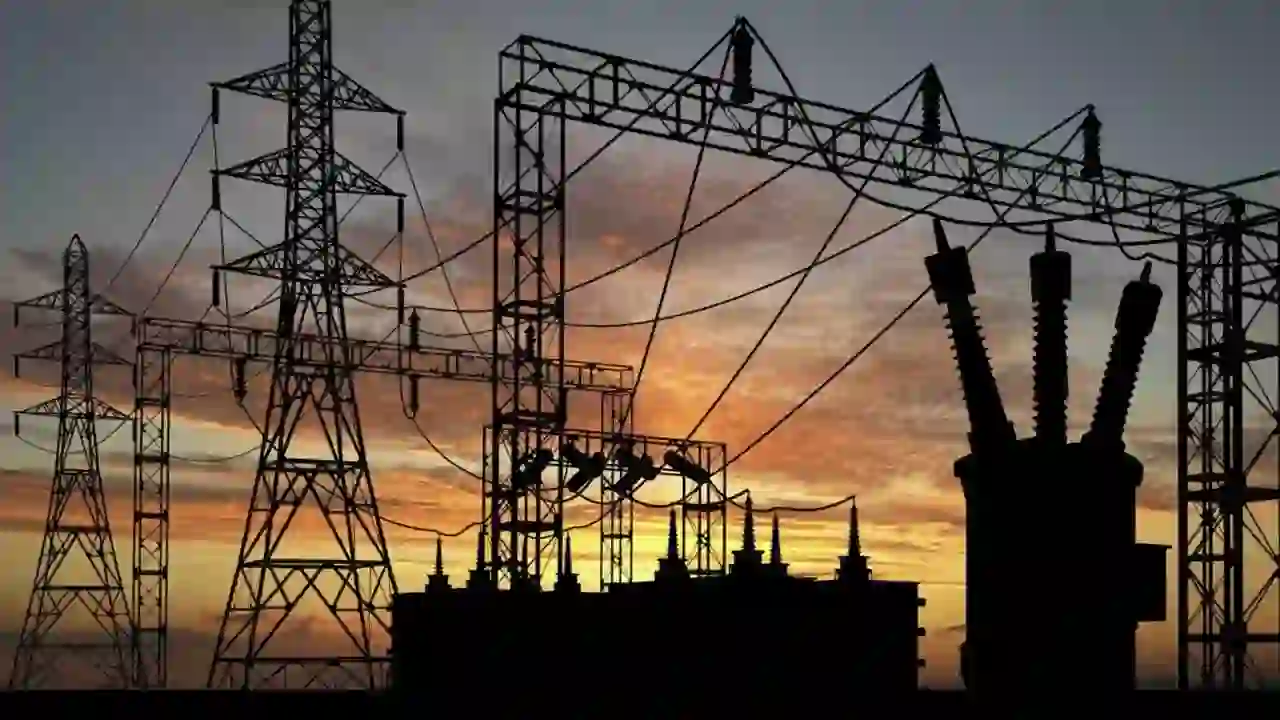
Nigeria experienced another power grid disruption yesterday the second within four days sparking widespread blackouts that crippled business operations and intensified alarm over the mounting economic toll of the country’s unreliable electricity infrastructure.
The disruption struck at approximately 10:48am, cutting off power allocation to electricity distribution companies (DisCos) and plunging large swaths of the nation into darkness. System data revealed that power generation, which had exceeded 4,000 megawatts (MW) the previous day, plummeted sharply, with all 12 DisCos initially showing zero allocation.
However, the Nigerian Independent System Operator (NISO) characterized the incident as a partial system disturbance rather than a complete grid collapse. According to NISO, the disturbance began at the Gombe Transmission Substation before spreading rapidly to Jebba, Kainji and Ayede transmission substations. The voltage disruption triggered the shutdown of multiple transmission lines and generation units, causing a partial system failure.
NISO reported that corrective measures were launched immediately, with restoration starting around 11:11am and subsequently completed. “The national grid has been fully restored and electricity supply across the affected areas has since returned to normal,” the operator stated.
By 4:56pm, monitoring indicated the grid was recovering, with 10 generation companies supplying approximately 1,417MW. Key facilities including Egbin Power and the Kainji, Shiroro and Jebba hydropower stations remained partially offline at that time. Azura Edo Independent Power Plant led the recovery effort with 395MW, followed by Delta Power at 355MW.

Multiple DisCos confirmed the outage to their customers. Abuja DisCo announced supply losses throughout its network, while Port Harcourt and Eko DisCos also attributed extensive outages to the system disturbance, assuring subscribers that restoration work was underway.
The Lagos Chamber of Commerce and Industry (LCCI) expressed frustration over the economic damage from repeated grid failures. President Gabriel Idahosa stated that frequent system breakdowns and inadequate power supply continue to hamper business operations, productivity and expansion, particularly within the agriculture and manufacturing sectors.
Dr. Muda Yusuf, Chief Executive Officer of the Centre for the Promotion of Private Enterprise, echoed these concerns, warning that recurring grid failures damage investor confidence and inflate business operating expenses. He emphasized that sustained economic growth is impossible without dependable and affordable electricity.
Mr. Uket Obonga, National Secretary of the Nigeria Electricity Consumer Advocacy Network, condemned the persistent outages, pointing out that consumers—especially those on estimated billing—continue paying unchanged rates despite frequent supply interruptions. He attributed the problem to insufficient capacity and inadequate accountability in grid oversight.
Despite recent reforms, including restructuring the Transmission Company of Nigeria into separate entities—the Transmission Service Provider and NISO—industry stakeholders argue that consistent investment, decentralization and enhanced accountability remain essential to preventing recurring grid disruptions and reducing economic losses.
READ ALSO:
- Ex-Nigeria Oil Minister Diezani Alison-Madueke on Bribery Trial Spent £2m at Harrods, Court Hears
- Turkish Officials Call Nigerian Media’s Focus on Tinubu’s Stumble ‘Silly and Mischievous’ – Dabiri-Erewa
- Lawmakers Condemn Gombe Bandit Attacks, Press for Swift Military Response
- NSCDC Clarifies Position on Delayed Promotion Arrears Payment
- Adron Homes Unveils Valentine’s Property Investment Campaign with Premium Incentives