








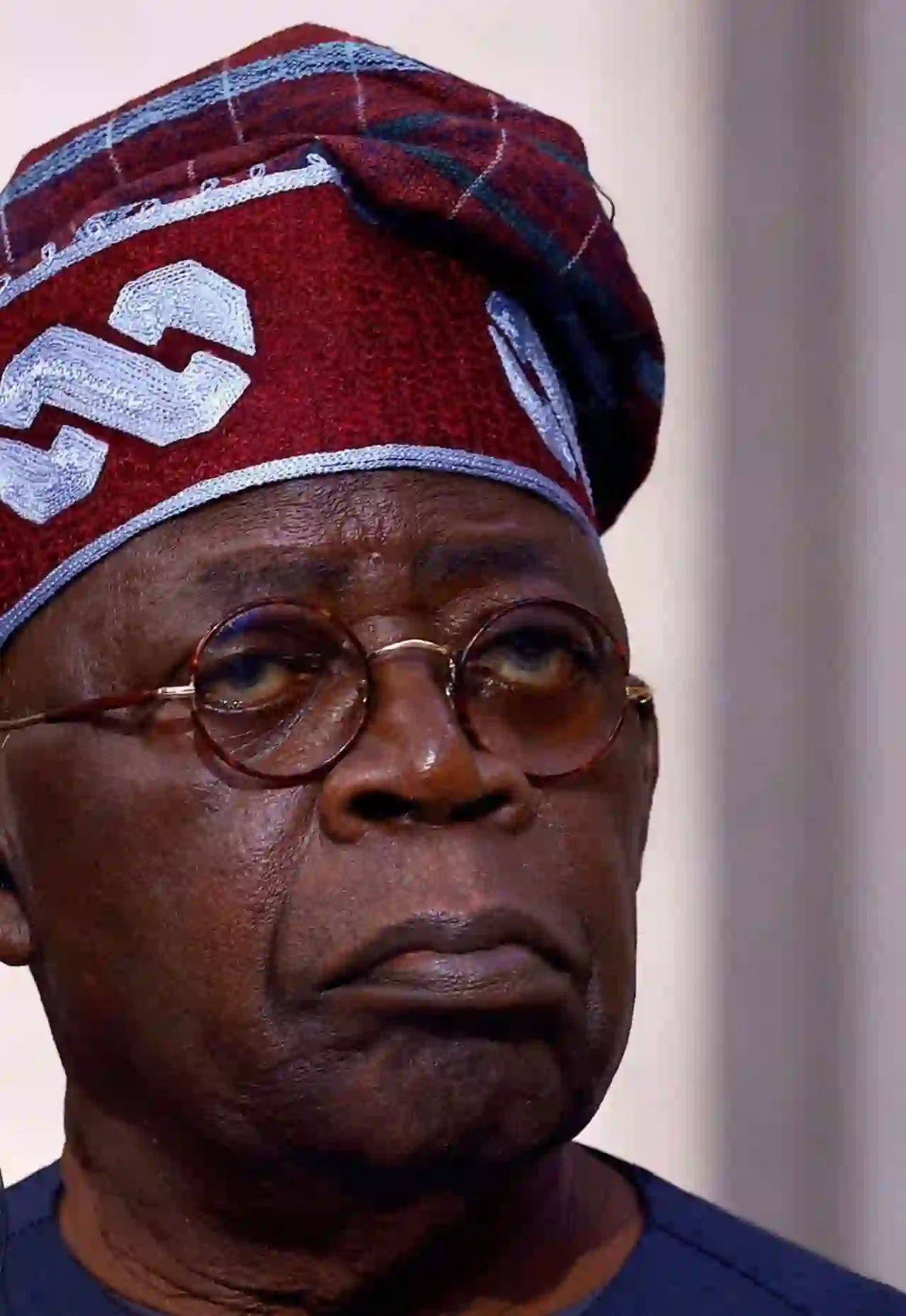
President Bola Tinubu has declared that Nigeria has moved beyond the difficult phase of economic reforms and is now entering what he described as an “age of prosperity,” with his administration shifting its focus to job creation, lower living costs, industrial growth and improved living standards.
Tinubu made the declaration in his 66th Independence Day address to Nigerians on Thursday, saying the reforms introduced by his administration had corrected major economic distortions and created the foundation for sustainable growth.
According to the President, Nigeria’s economy has grown by more than four per cent in 2026, while inflation has declined from its previous peak. He also said foreign reserves had been rebuilt, the foreign exchange market had stabilised and oil theft had reduced.
Tinubu further stated that Nigeria recorded more than $6 billion in non-oil export revenue in 2025, describing it as the highest figure in the country’s history.
He acknowledged, however, that despite the reported improvements in the broader economy, millions of Nigerians are still struggling with the cost of food, education, healthcare and transportation.
The President attributed the hardship to years of low productivity, inadequate infrastructure, limited opportunities and structural weaknesses in the economy.
He said the next phase of his administration would concentrate on ensuring that the benefits of economic reforms translate into improved living conditions for ordinary Nigerians.
‘We had no choice but to reform’
Tinubu said the economic situation he inherited in 2023 required difficult decisions, arguing that previous governments had repeatedly postponed measures needed to address the country’s structural problems.
He compared the situation to a seriously ill patient who must undergo painful treatment to recover, saying his administration chose to confront the underlying problems rather than continue policies that merely provided temporary relief.
According to him, the reforms were difficult and their effects were painful, but they were necessary to put the economy on a more sustainable path.
“Our reforms did not create the weaknesses in our economy. They confronted them,” the President said.
He also rejected calls for a return to fuel subsidies, warning against reversing the policies his administration introduced.
Nigeria at a turning point
Tinubu said the country had now reached a turning point after three years of economic adjustments.
He said the government’s immediate task during the reform period was to stabilise the economy and correct its direction, but that the priority had now shifted towards achieving “shared and widespread prosperity.”
He explained that prosperity should go beyond improvements in economic statistics and should be reflected in the daily lives of Nigerians.
He said the government wants farmers to produce more at lower costs, manufacturers to have access to reliable electricity, businesses to obtain affordable credit and young Nigerians to find productive employment.
Lower cost of living
The President said reducing the cost of living would be one of the major priorities of the next phase.
He said the government would expand mechanised irrigation and dry-season farming, improve access to seeds and fertiliser, increase agricultural mechanisation and invest in storage and transportation.
He also said the administration was developing roads, railways and ports to improve the movement of goods between farms, factories and markets.
Tinubu said reducing production and transportation costs would eventually help bring down the prices of goods.
More jobs, industrial growth
The President said job creation, enterprise and industrialisation would remain central to government policy.
He promised increased use of Nigeria’s gas resources to power industries, support for factories and businesses seeking to expand production, wider digital connectivity and investment in skills required by employers.



He also expressed his desire to see more Nigerian-made products competing in international markets and more young Nigerians establishing businesses and technology companies.
Support for vulnerable Nigerians
Tinubu acknowledged that many Nigerians could not afford to wait for the long-term benefits of economic growth.
He said the government was therefore strengthening direct assistance to poor households and improving the National Social Register to ensure that support reaches people considered to be most in need.
He also highlighted the Nigerian Education Loan Fund, saying it was helping students from low-income families gain access to higher education.
The President mentioned the Consumer Credit Corporation, CREDICORP, which provides access to credit for Nigerians seeking to acquire essential assets such as vehicles, solar systems and digital devices.
He further said the government would continue working with states and local governments to strengthen primary healthcare, basic education and other essential services.
‘We will defeat poverty’
Tinubu said the government’s social intervention programmes should not be regarded as a permanent substitute for economic prosperity.
“Our objective is not to manage poverty more efficiently. We will defeat it,” he said.
He acknowledged that eliminating poverty would take time and require sustained economic growth and the creation of millions of productive opportunities.
The President said the government was now approaching the task from what he described as a position of greater economic strength following the reforms.
‘Age of reform is over’
Tinubu concluded by declaring that the period of major economic reforms had achieved its purpose and that Nigeria was now entering a new phase.
“The age of reform has done its work. Now begins the age of prosperity,” he said.
He urged Nigerians to remain hopeful and united as the government works towards an economy where prosperity is broadly shared and children can pursue opportunities regardless of their background.
The President said the government would continue investing in agriculture, infrastructure, power, industry, technology and other sectors capable of creating jobs and expanding economic opportunities.
He ended by urging Nigerians to look forward rather than return to the policies and conditions that, in his view, contributed to the country’s previous economic difficulties.
The President’s latest position is consistent with earlier statements from the State House that the administration considers the foundation for economic recovery to have been laid, while acknowledging that the benefits of reform still need to be felt more directly by households.
Promises jobs, cheaper food, industrial growth, stronger security
READ ALSO:
- OGD hails Tinubu’s transport sector drive
- Rema Explains Why He Doesn’t Flaunt His Wealth on Social Media
- Matawalle Donates Vehicles To Eight Suspended Zamfara Lawmakers Ahead Of 2027 Elections
- Ogun Shuts Schools After Over 100 Pupils Hospitalized From Suspected Gas Emissions
- Libya Frees Swiss, Austrian Women Kidnapped in Niger in 2025