





Americans have headed to the polls for crucial midterm elections that could significantly alter the balance of power in Congress and deliver a major political setback to President Donald Trump and his Republican Party.
The elections, held on Tuesday, November 3, 2026, come amid growing public dissatisfaction over economic conditions, rising living costs, increasing fuel prices, inflation and the administration’s handling of the ongoing conflict with Iran.
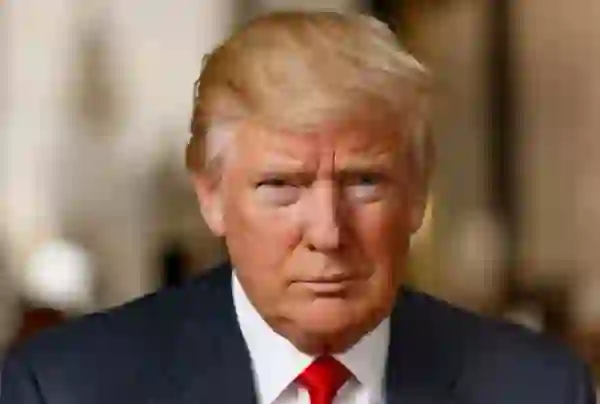
With two years remaining in his presidency, Trump has intensified efforts to secure victories for Republican candidates, organising campaign rallies across the country and urging supporters to treat the elections as a judgment on his leadership.
Speaking at a campaign rally last month, the president appealed directly to voters to support Republican candidates as though he were personally contesting the election.
“In this election, I’m asking you to pretend, please, that I’m on the ballot,” Trump said.
However, Trump’s declining approval ratings have raised concerns among Republican leaders about his ability to mobilise voters and protect the party’s control of Congress.
The economy has emerged as one of the biggest challenges facing the administration, with Trump’s tariff policies and the ongoing conflict with Iran contributing to concerns about the rising cost of living.
Reports indicated that diesel prices increased from $3.75 per gallon before the conflict began in February to a record $6.52 in September. Inflation also reportedly climbed from three per cent when Trump assumed office to 3.7 per cent, adding to financial pressure on American households.
The situation has forced Republican candidates to defend constituencies traditionally considered safe for the party, including Kansas and Iowa, where Democratic challengers are mounting stronger campaigns.
Carrie Dann, managing editor of the Cook Political Report, observed that increased Republican spending on political advertisements in traditionally favourable states suggested growing anxiety within the party over its electoral prospects.
Similarly, Stephen Hawkins, global director of research at More in Common, noted that several states previously regarded as Republican strongholds were becoming increasingly competitive.
Despite Trump’s declining popularity, political analysts have cautioned that dissatisfaction with the president does not automatically translate into support for the Democratic Party.



Pre-election surveys reportedly placed Trump’s approval rating at approximately 38 per cent, while only 29 per cent of voters expressed a favourable opinion of the Democrats.
Some Republican supporters have expressed concerns about the administration’s handling of foreign affairs and rising living costs but remain reluctant to support Democrats because of ideological and political differences.
Democrats are hoping to capitalise on the situation to regain control of Congress, particularly the House of Representatives, where a victory would give them greater influence over the president’s legislative agenda.
Democratic strategist Mary Anne Marsh identified the cost of living and the conflict with Iran as major issues shaping voters’ decisions, warning that Republican candidates who continued to defend Trump’s controversial policies could face serious electoral consequences.
A Democratic takeover of the House would allow the party to exercise greater oversight of the Trump administration and launch investigations into its activities.
The party could also explore impeachment proceedings against members of Trump’s cabinet, with Defence Secretary Pete Hegseth reportedly among officials who could face scrutiny over the handling of the Iran conflict.
However, the contest for control of the Senate is expected to present a tougher challenge for Democrats.
With 35 Senate seats being contested, Democrats need to secure a net gain of four seats to take control of the chamber. The number could rise to five if they lose their seat in Michigan.
Michigan, Texas, Ohio, Iowa, Maine, Alaska and North Carolina are among the states expected to play decisive roles in determining the outcome of the Senate elections.
Beyond the immediate struggle for congressional control, the midterm elections are also expected to influence political strategies ahead of the 2028 presidential election.
Democrats will be assessing their ability to attract more rural voters and expand their influence in traditionally Republican states. They are also monitoring the growing political profiles of figures such as Jon Ossoff in Georgia and James Talarico in Texas.
Meanwhile, Trump’s response to any possible Republican losses has become another major issue attracting attention, particularly given his previous criticism of the integrity and security of American elections.
The outcome of the midterm elections is expected to provide an important indication of public confidence in Trump’s leadership and determine the extent of political influence Democrats could exercise during the remaining two years of his presidency.
The elections therefore represent a significant test for both major political parties and could reshape the direction of American politics ahead of the 2028 presidential contest.
READ ALSO:
- Otti Calls on Nigerian Elite to Promote Good Governance, Drive National Reforms
- Court Fixes November 19 For Hearing In Iyabo Obasanjo, Sogbesan Amoo Ogun Central PDP Ticket Dispute
- Presidency Mocks Peter Obi Over Exhaustion, Says He Is Not a Superman
- Gov. Dauda Lawal Flags Off Strategic Road Projects Linking Four LGAs
- Trump Faces Major Political Test As Americans Vote In Crucial Midterm Elections