



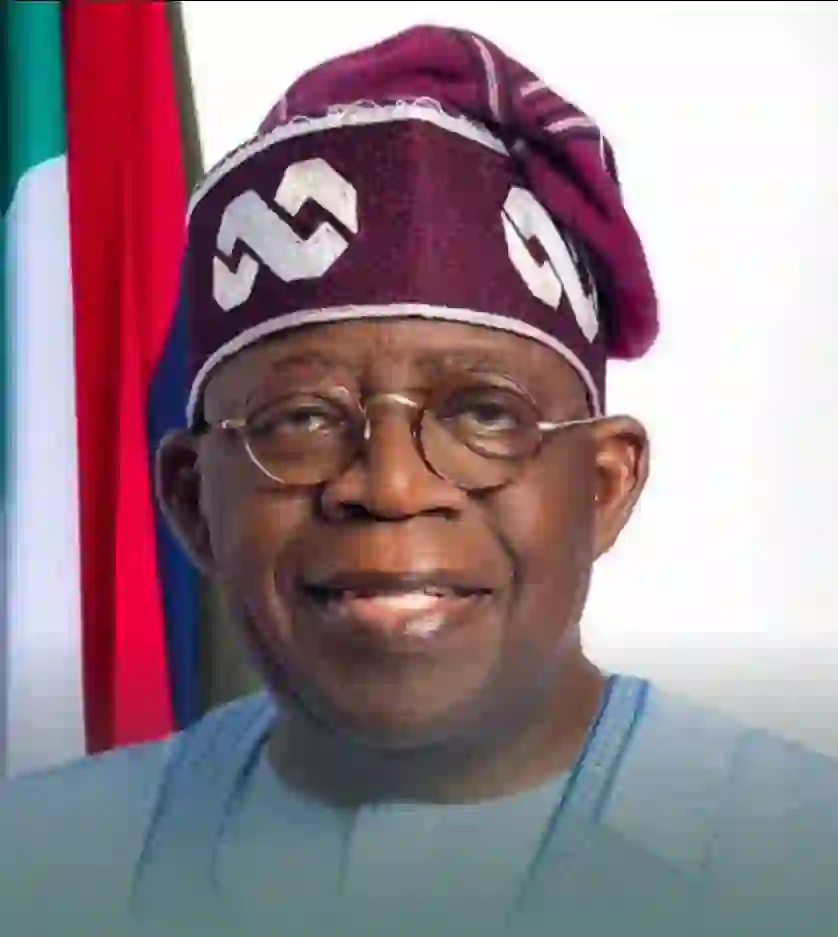
As Nigeria moves closer to the 2027 presidential election, questions surrounding President Bola Ahmed Tinubu’s educational history have resurfaced, with calls for greater transparency and verification of the records associated with his academic journey.
The issue was raised in an opinion article by Lauretta Onochie, who argued that controversies surrounding the educational records of political leaders should be addressed through verifiable documents rather than partisan arguments, insults or intimidation.
The Unilag Example
The article referenced a 1974 admissions controversy at the University of Lagos involving students who allegedly secured admission with fraudulent examination results and qualifications.


According to the account, the university investigated the matter, including verification of examination results with the West African Examinations Council (WAEC). The affected students were eventually expelled, while the university official associated with the controversy, identified as Mr. Owosho, was dismissed.
The author used the incident to argue that the integrity of an academic qualification depends on the legitimacy of the foundation upon which it was obtained.
Questions About Tinubu’s Early Education
The article acknowledged that Chicago State University has confirmed that Tinubu attended the institution and left in 1979.
However, it questioned what happened before his admission to the American university.
According to the article, the sections relating to primary and secondary education were left blank in the educational information Tinubu submitted to the Independent National Electoral Commission (INEC) ahead of the 2023 presidential election.
The author stressed that a blank space does not, by itself, prove that Tinubu never attended school. However, she argued that it raises questions about which primary and secondary schools he attended and what qualification enabled him to proceed to tertiary education in the United States.
Questions Surrounding Chicago State University Records
The article also revisited documents released during legal proceedings involving Tinubu’s academic records.
It stated that records confirmed that a Bola A. Tinubu attended Chicago State University and later left the institution. However, it noted that a transcript from Southwest College associated with the student who transferred to CSU contained an “F” in the gender field, which the author said meant female.
The article also noted that Chicago State University Registrar Caleb Westberg testified that the Tinubu who attended the university was male and that the institution identified him as the Nigerian political figure who later became president.
The author argued that discrepancies in academic records should be explained, while acknowledging that a discrepancy alone does not automatically establish fraud.
The Diploma Controversy
Another issue raised was the diploma submitted to INEC.
The article said Chicago State University confirmed Tinubu’s attendance but that, when questioned about the specific diploma submitted to Nigeria’s electoral commission, the university registrar said CSU could not authenticate that particular document from records in its possession.
The article then argued that the inability to authenticate the document should prompt further questions and calls for clarification.
Why the Questions Matter
The author argued that the educational history of a presidential candidate deserves serious scrutiny because the Presidency carries enormous constitutional responsibilities, including command of the Armed Forces, appointment of ministers and other senior officials, and the signing of legislation.
She maintained that the standard of scrutiny applied to the occupant of the nation’s highest political office should not be lower than that applied to an ordinary Nigerian seeking employment.
The article further questioned the message such controversies could send to young Nigerians who are taught to avoid examination malpractice, falsification of certificates, dishonesty on official forms and failure to meet admission requirements.
According to the author, accountability should apply equally to political leaders, arguing that the country cannot demand integrity from ordinary citizens while treating scrutiny of public officials as unacceptable.
Call for Verifiable Records
The author proposed that the controversy could be resolved through the release and verification of relevant records.
She called for discrepancies to be explained, alleged errors in documents to be identified and false allegations to be countered with evidence.
The article argued that transparency should not depend on political pressure or intimidation and that citizens should retain the right to question issues surrounding the records of their leaders.
2027 Candidates Must Face Scrutiny
Looking ahead to the 2027 election, the article argued that scrutiny should extend beyond Tinubu to every presidential candidate.
It raised questions about candidates’ backgrounds, qualifications, previous promises, records in public office and whether their claims can be independently verified.
The author maintained that incumbents and opposition candidates alike should be subjected to the same standard because, in a democracy, citizens have the right to examine the records of those seeking their votes.
‘No Sacred Cows’
Returning to the University of Lagos example, the author argued that the legitimacy of a structure depends on the integrity of its foundation.
She cautioned against both unsupported accusations and attempts to prevent Nigerians from questioning inconsistencies in the records of political leaders.
The article concluded with a call for verifiable records, explanations for discrepancies and equal accountability ahead of the 2027 presidential election.
It also called on the Attorney-General of the Federation and the National Assembly to begin processes relating to possible prosecution or impeachment, while stressing that accountability should not be selective.
READ ALSO:
- Gunmen Kill NSCDC Officer, Abduct Businessman in Plateau
- DSS Arraigns Five Suspects Over Abduction of 20 NYSC Members
- EndSARS: Atiku Demands Answers Over Lekki Shooting Six Years After
- The Gift of Sight Came to Ogun East, and Otunba Senator Gbenga Daniel Paid for It
- Anambra Confirms Lassa Fever Case, Activates Emergency Response