










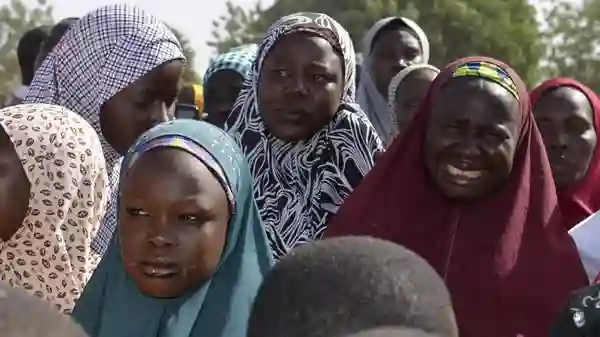
The United Nations Committee on the Elimination of Discrimination against Women (CEDAW) has disclosed that 91 Chibok schoolgirls remain in captivity or missing a full decade after their abduction by Boko Haram terrorists in 2014.
The committee’s damning report reveals that numerous survivors continue to suffer from trauma and social stigma while receiving minimal access to appropriate support services.
These findings emerged from an inquiry report published following a confidential two-week mission to Nigeria conducted in December 2023. The CEDAW delegation carried out comprehensive assessments in the capital, Abuja and several states, including Adamawa, Borno, Enugu, and Kaduna.
Systematic Violations Persist
“The committee finds grave and systematic violations persist after the Chibok mass abduction of schoolgirls,” the report states unequivocally. “Nigeria is responsible for grave and systematic violations of women’s and girls’ rights amid multiple mass abductions.”
The experts emphasized that urgent measures are required to end torture and ill-treatment of victims.
According to school staff, the UN delegation was the first international body to visit Chibok Government Secondary School since the mass abduction occurred in 2014.
Comprehensive Investigation
During their time in Abuja, the delegation met with senior officials including the Director of the Women Development Department and the Director of Defence and Security. They also engaged with representatives from the National Agency for the Prohibition of Trafficking in Persons, Nigerian Armed Forces, and the Police Service Commission.
The team visited an internally displaced persons camp in Abuja, where they conducted interviews with victims of Boko Haram abductions as well as women and girls kidnapped for ransom by other criminal groups.
The Chibok Case Details
“The initial focus of the Committee’s inquiry was on the mass abduction carried out by Boko Haram in 2014, when 276 schoolgirls were taken from Chibok Secondary School in Borno State,” the report explains.
Of the original 276 girls abducted, 82 managed to escape independently, while 103 were released in small groups between 2016 and 2017 through prisoner exchange negotiations. However, at least 91 of the Chibok girls remain in captivity or their whereabouts remain unknown.
Broader Pattern of Abductions
The CEDAW inquiry extended beyond the Chibok incident to examine abductions by other armed groups in subsequent years, including those committed for ransom purposes.
Nahla Haidar, Chair of the Committee, explained: “The abduction of the Chibok girls was not an isolated tragedy but part of a series of mass abductions targeting schools and communities across northern Nigeria. Though it was the first publicized case to gain global support.”
She continued: “While such attacks had started earlier, Chibok marked the beginning of increased international attention of a decade-long pattern of mass abduction.”
Staggering Scale of Student Kidnappings
Haidar revealed the shocking extent of the crisis: “At least 1,400 students have been kidnapped from schools since the Chibok abduction. These girls were often taken for ransom, forced marriage, trafficking and prisoner exchange.”
“The Committee considered that the state party’s repeated failure to protect schoolgirls and other women and girls from abductions amounts to systematic and grave violations,” she added.
Horrific Conditions in Captivity
The report documented the brutal conditions endured by the Chibok girls and others in Boko Haram detention facilities. Victims were denied adequate food and beaten for disobedience. Many were forced into marriage with fighters, compelled to convert their religion, and some gave birth while in captivity.
“Other survivors of abductions for ransom by other armed groups faced extremely high risks of sexual violence, often suffering repeated rape by different men, and other physical violence,” the report found.
Mixed Outcomes for Released Survivors
The report revealed stark differences in treatment of survivors based on how they gained freedom. Those who escaped independently could not return to their villages due to stigmatization of women associated with Boko Haram and other armed groups. Many reportedly received no rehabilitation, counseling, or educational support.
In contrast, “The 103 girls freed through government negotiations received training and psychosocial care in Abuja, with many benefiting from scholarships at the American University of Nigeria and abroad,” CEDAW noted.
Ongoing Tragedy
“Meanwhile, the fate of the 91 remaining Chibok girls remains unknown, as the government was no longer pursuing negotiations with the armed fighters,” the report stated.
Haidar emphasized the double trauma faced by survivors: “The testimonies of survivors highlight not only the suffering endured during captivity but also the profound challenges faced upon their return. These girls were failed twice, first when they were abducted, and again when so many of them were left abandoned without care or support after escaping, including those left in IDPs’ camps.”
She added that “many families were left destitute, having used all their assets to pay the ransom to the kidnappers.”
Government Failures Identified
The Committee concluded that Nigerian authorities had failed across multiple fronts: preventing targeted attacks on schools and communities, protecting schoolgirls from abduction, and ensuring their right to education.
The report also found that the state failed to destigmatize survivors of abduction, particularly rape victims and their children. Additionally, authorities were criticized for failing to criminalize abduction and marital rape across all 36 states.
Urgent Recommendations
The Committee issued several critical recommendations, urging the Nigerian government to “proactively seek to rescue the remaining 91 Chibok girls and all other abducted girls and women who are being held captive by Boko Haram and other armed groups.”
It also called on Nigeria to “adequately fund and equip the Police Force to protect women and girls from mass abduction.”
The complete inquiry report with all findings and recommendations is now available online.
The delegation consisted of two designated committee members—Dalia Leinarte from Lithuania and Rhoda Reddock from Trinidad and Tobago—accompanied by two human rights officers.
The United Nations Committee on the Elimination of Discrimination against Women (CEDAW) has disclosed that 91 Chibok schoolgirls remain in captivity or missing a full decade after their abduction by Boko Haram terrorists in 2014.
The committee’s damning report reveals that numerous survivors continue to suffer from trauma and social stigma while receiving minimal access to appropriate support services.
These findings emerged from an inquiry report published following a confidential two-week mission to Nigeria conducted in December 2023. The CEDAW delegation carried out comprehensive assessments in the capital Abuja and several states including Adamawa, Borno, Enugu, and Kaduna.
Systematic Violations Persist
“The committee finds grave and systematic violations persist after the Chibok mass abduction of schoolgirls,” the report states unequivocally. “Nigeria is responsible for grave and systematic violations of women’s and girls’ rights amid multiple mass abductions.”
The experts emphasized that urgent measures are required to end torture and ill-treatment of victims.
According to school staff, the UN delegation was the first international body to visit Chibok Government Secondary School since the mass abduction occurred in 2014.
Comprehensive Investigation
During their time in Abuja, the delegation met with senior officials including the Director of the Women Development Department and the Director of Defence and Security. They also engaged with representatives from the National Agency for the Prohibition of Trafficking in Persons, Nigerian Armed Forces, and the Police Service Commission.
The team visited an internally displaced persons camp in Abuja, where they conducted interviews with victims of Boko Haram abductions as well as women and girls kidnapped for ransom by other criminal groups.
The Chibok Case Details
“The initial focus of the Committee’s inquiry was on the mass abduction carried out by Boko Haram in 2014, when 276 schoolgirls were taken from Chibok Secondary School in Borno State,” the report explains.
Of the original 276 girls abducted, 82 managed to escape independently, while 103 were released in small groups between 2016 and 2017 through prisoner exchange negotiations. However, at least 91 of the Chibok girls remain in captivity or their whereabouts remain unknown.
Broader Pattern of Abductions
The CEDAW inquiry extended beyond the Chibok incident to examine abductions by other armed groups in subsequent years, including those committed for ransom purposes.
Nahla Haidar, Chair of the Committee, explained: “The abduction of the Chibok girls was not an isolated tragedy but part of a series of mass abductions targeting schools and communities across northern Nigeria. Though it was the first publicized case to gain global support.”
She continued: “While such attacks had started earlier, Chibok marked the beginning of increased international attention of a decade-long pattern of mass abduction.”
Staggering Scale of Student Kidnappings
Haidar revealed the shocking extent of the crisis: “At least 1,400 students have been kidnapped from schools since the Chibok abduction. These girls were often taken for ransom, forced marriage, trafficking and prisoner exchange.”
“The Committee considered that the state party’s repeated failure to protect schoolgirls and other women and girls from abductions amounts to systematic and grave violations,” she added.
Horrific Conditions in Captivity
The report documented the brutal conditions endured by the Chibok girls and others in Boko Haram detention facilities. Victims were denied adequate food and beaten for disobedience. Many were forced into marriage with fighters, compelled to convert their religion, and some gave birth while in captivity.
“Other survivors of abductions for ransom by other armed groups faced extremely high risks of sexual violence, often suffering repeated rape by different men, and other physical violence,” the report found.
Mixed Outcomes for Released Survivors
The report revealed stark differences in treatment of survivors based on how they gained freedom. Those who escaped independently could not return to their villages due to stigmatization of women associated with Boko Haram and other armed groups. Many reportedly received no rehabilitation, counseling, or educational support.
In contrast, “The 103 girls freed through government negotiations received training and psychosocial care in Abuja, with many benefiting from scholarships at the American University of Nigeria and abroad,” CEDAW noted.
Ongoing Tragedy
“Meanwhile, the fate of the 91 remaining Chibok girls remains unknown, as the government was no longer pursuing negotiations with the armed fighters,” the report stated.
Haidar emphasized the double trauma faced by survivors: “The testimonies of survivors highlight not only the suffering endured during captivity but also the profound challenges faced upon their return. These girls were failed twice, first when they were abducted, and again when so many of them were left abandoned without care or support after escaping, including those left in IDPs’ camps.”



She added that “many families were left destitute, having used all their assets to pay the ransom to the kidnappers.”
Government Failures Identified
The Committee concluded that Nigerian authorities had failed across multiple fronts: preventing targeted attacks on schools and communities, protecting schoolgirls from abduction, and ensuring their right to education.
The report also found that the state failed to destigmatize survivors of abduction, particularly rape victims and their children. Additionally, authorities were criticized for failing to criminalize abduction and marital rape across all 36 states.
Urgent Recommendations
The Committee issued several critical recommendations, urging the Nigerian government to “proactively seek to rescue the remaining 91 Chibok girls and all other abducted girls and women who are being held captive by Boko Haram and other armed groups.”
It also called on Nigeria to “adequately fund and equip the Police Force to protect women and girls from mass abduction.”
The complete inquiry report with all findings and recommendations is now available online.
The delegation consisted of two designated committee members—Dalia Leinarte from Lithuania and Rhoda Reddock from Trinidad and Tobago—accompanied by two human rights officers.

Seunmanuel Faleye is a brand and communications strategist. He is a covert writer and an overt creative head. He publishes Apple’s Bite International Magazine.




![[Explainer] Ogun State Strikes Oil But Gbenga Daniel Got There Two Decades Before Dapo Abiodun](https://applesbite.com/wp-content/uploads/2024/11/Gbenga-Daniel-1-350x250.jpg)
