






This analysis examines the stark contrast between two presidential administrations and explores why Nigeria’s economy is beginning to show signs of recovery under current leadership.
A recent statement from a respected traditional ruler, formerly close to ex-President Buhari, sparked important reflection on Nigeria’s economic trajectory. The royal father observed that Northern elites remained silent during Buhari’s eight-year tenure, watching as opportunities for national development were squandered, leaving President Bola Tinubu with an economy teetering on collapse.
The Previous Administration’s Shortcomings
Former US Congressman John Brademas once noted that leadership requires two essential qualities: intelligence and integrity—or competence and character. Buhari’s 2015 election centered largely on his perceived integrity. Millions of Nigerians, hopeful for an end to rampant corruption, cast their votes accordingly.
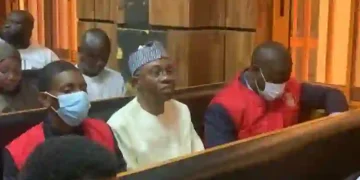
However, character alone proved insufficient. Despite promises to combat corruption, oil theft continued unabated, with military involvement alleged. Officials from the previous administration now face court proceedings over questionable asset accumulation—one linked to 57 properties, another to 753 duplexes.
The fundamental issue was competence. Managing modern government requires sophisticated understanding of complex systems. Rather than exercising effective control, the previous administration operated without centralized coordination, allowing appointees excessive autonomy. Even Buhari’s wife’s memoir revealed the extent to which presidential responsibilities were abdicated.
Compare this to Nelson Mandela, who voluntarily served just one term despite overwhelming popularity, or Mahatma Gandhi, who supported more experienced leaders rather than seeking power himself. These examples highlight how self-awareness and patriotism should guide leadership decisions.
A Different Economic Vision
President Tinubu brings fundamentally different qualifications to economic management. Unlike his predecessor, he understands global investment dynamics and economic principles. While Buhari leaned toward wealth distribution without wealth creation—an approach shared by Nigeria’s organized labor—Tinubu embraces capitalism and free markets.
Recent executive orders unlocking $10 billion in capital inflow for Nigeria’s oil sector demonstrate this market-oriented approach. Tinubu recognizes that most global investment flows from capitalists seeking profitable opportunities in free-market economies.
Consider the Northern Elders Forum’s recent demand that a planned Lagos gold refinery be relocated northward because gold deposits are concentrated there. Under sentiment-driven leadership, this might have happened. However, sound economic analysis reveals why Lagos makes business sense: raw gold nuggets represent only a fraction of total refining costs, northern deposits are geographically scattered, and critically, customers with purchasing power are concentrated in southern commercial hubs.

Without reliable census data, population distribution remains debatable. Yet wealth distribution tells a clearer story. Despite Nigeria’s two richest individuals—Dangote and Rabiu—being northerners, the South, particularly Lagos, controls a disproportionate share of national wealth. Gold sellers, like luxury car dealers, establish operations where buyers congregate. International and domestic customers feel more confident conducting business in established commercial centers than remote locations.
Strategic International Engagement
This realistic rather than wishful thinking also drives Tinubu’s foreign trips. While not every Memorandum of Understanding translates into factories or grants, today’s changing global landscape demands proactive engagement. The collapse of traditional globalization and emergence of new economic paradigms mean poor nations can no longer passively wait for wealthy countries to discover their potential.
Like successful salespeople everywhere, developing nations must actively court investors. Global investment patterns shift rapidly; leaders who remain home receive nothing. Buhari never grasped this reality—his international trips lacked substantive business purpose.
The Path Forward
Nigeria’s economic recovery requires leadership combining integrity with competence, sentiment with realism, and domestic focus with global engagement. The current administration’s market-oriented policies, investor-friendly reforms, and strategic international outreach represent the comprehensive approach Nigeria’s complex economy demands.
While challenges remain substantial, the contrast between administrations reveals why competent economic management, grounded in understanding how global capital flows, offers Nigeria its best hope for sustainable prosperity.
READ ALSO:
- Supreme Court Orders Final Forfeiture of Emefiele’s Assets to Federal Government
- Tinubu Signs Executive Order To Regulate Virtual Assets, Digital Economy
- Rufai Oseni Breaks Down on Live TV Over Nigeria’s Economic Decline
- Tinubu Wanted Young Female Deputy Governor, Says Hamzat
- Bode George Blames Excessive Land Reclamation for Lagos Flooding