









Iran has suspended indirect negotiations with the United States following renewed tensions in the Middle East, accusing Israel of escalating military operations in Lebanon despite an earlier ceasefire agreement.
According to a report by Iran’s state-affiliated Tasnim News Agency, Tehran decided to halt the exchange of messages with Washington after Israeli forces intensified their military offensive in southern Lebanon and reportedly captured the historic Beaufort Castle over the weekend.
The development marks a significant setback in efforts to maintain diplomatic engagement between Iran and the United States. Reports indicate that Tehran had previously agreed to participate in Pakistan-mediated discussions with Washington, provided that a regional ceasefire remained in place.
Iranian officials, however, expressed anger over what they described as continued Israeli military incursions and an expanding presence within Lebanese territory, leading to the suspension of diplomatic contacts.
“Tehran is stopping the negotiations and exchange of messages through a mediator,” Tasnim quoted senior intelligence sources as saying.
Iran has also insisted that any future dialogue with the United States will depend on an immediate end to hostilities in both Lebanon and Gaza.
Beyond suspending talks, Tehran and its regional allies, including the Houthi movement in Yemen and allied Iraqi armed groups, have warned that they may open additional fronts in response to the ongoing conflict.
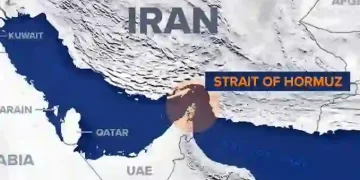
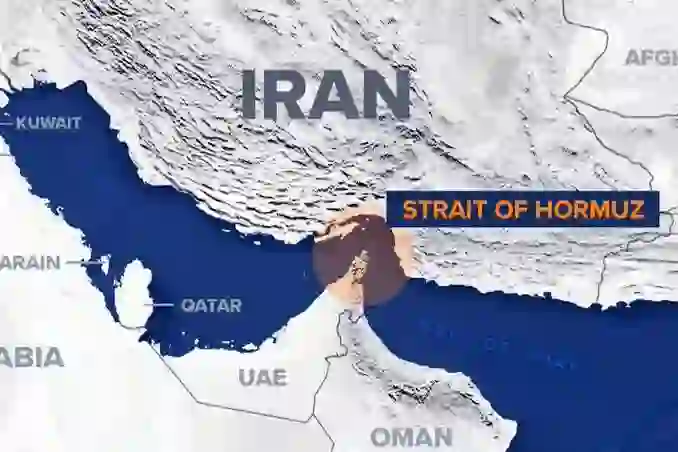
The threats include potential disruptions to maritime traffic through the Bab al-Mandab Strait and the closure of the Strait of Hormuz, one of the world’s most important oil transit routes. The Strait of Hormuz handles a substantial portion of global crude oil shipments, making any disruption a major concern for international energy markets and global trade.
The escalating crisis has drawn strong reactions from the international community.
France has called for an emergency meeting of the United Nations Security Council to address Israel’s expanding military operations in Lebanon. French Foreign Minister Jean-Noël Barrot described the situation as unacceptable, arguing that there was no justification for the prolonged military campaign and the growing occupation of Lebanese territory.


British Foreign Secretary Yvette Cooper also voiced concern, warning that continued military actions could further destabilise the Middle East and worsen regional tensions.
The breakdown in diplomatic contacts comes only weeks after a fragile ceasefire was reached between Tehran and Washington in April following a period of direct confrontation involving Iran, the United States and Israel.
Before the latest escalation, both sides had reportedly been discussing extending the ceasefire arrangement and exploring possible progress on issues related to Iran’s nuclear programme.
Meanwhile, the United States Central Command (CENTCOM) confirmed that it carried out what it described as measured and deliberate strikes against Iranian targets over the weekend. According to CENTCOM, the operations were launched in response to alleged aggressive actions by Iran, including the reported downing of an American MQ-1 Predator drone.
Iran, however, maintained that the drone had violated its airspace, prompting what it described as a legitimate defensive response.
Security analysts warn that the combination of intensified fighting in Lebanon, the collapse of diplomatic engagement between Tehran and Washington, and threats to major maritime chokepoints could trigger a wider regional crisis. Such a scenario could have far-reaching consequences for global energy supplies, international shipping and economic stability.
READ ALSO:
- Iran Halts US Talks, Threatens Disruption of Key Global Oil Shipping Routes
- Interswitch Founder Mitchell Elegbe Returns as EY World Entrepreneur of the Year Global Jury Member for 2026
- Oyo Teachers Begin Indefinite Strike Over Kidnap of Pupils and Teachers
- Federal Workers Forum Slams NLC, TUC, Threatens Indefinite Nationwide Strike Over Wage, Insecurity
- Etta: Fewer Deaths Recorded Under Tinubu Than Any Previous Government