
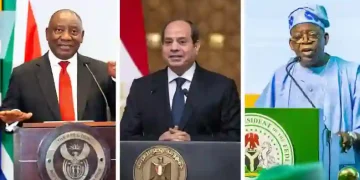






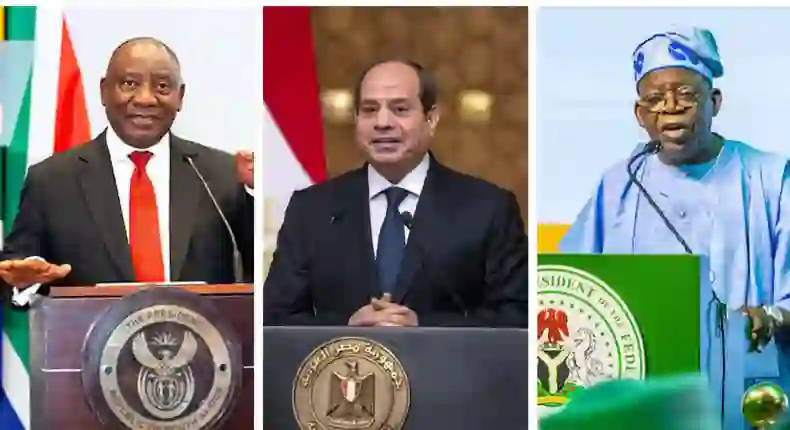
South Africa, Egypt and Nigeria, the three largest economies in Africa by nominal gross domestic product (GDP), are participating in the 81st United Nations General Assembly (UNGA) in New York, but their presidents are not attending the high-level gathering in person.
The three countries remain fully represented at the annual diplomatic meeting, with senior government officials leading their respective delegations.
According to the latest projections from the International Monetary Fund (IMF), South Africa’s economy is expected to be worth about $480 billion in 2026, followed by Egypt at approximately $430 billion and Nigeria at about $377 billion.
The 81st UN General Assembly opened amid a week of high-level diplomatic engagements, with nearly 130 heads of state and government expected in New York.
The General Debate is scheduled to begin on September 22 under the theme, “Restoring trust, managing transformation: A United Nations that delivers for all.”
Issues of importance to Africa
The UNGA discussions cover several issues that directly affect African countries, including global financing, UN reform, peace and security, climate change, sustainable development and international cooperation.
African countries are also continuing their campaign for greater representation in global decision-making institutions, particularly through calls for permanent African representation on the UN Security Council.
Security is expected to be an important issue for Nigeria, which continues to face terrorism and other forms of insecurity.
According to the Global Terrorism Index, Nigeria recorded 171 terrorist attacks and 750 terrorism-related deaths in 2025, the country’s highest terrorism-related death toll since 2020.
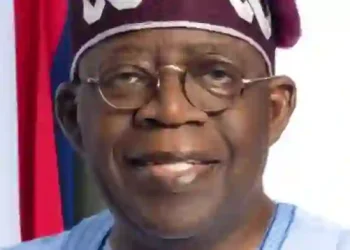
With President Bola Tinubu not attending the gathering, Vice President Kashim Shettima is leading Nigeria’s delegation and is expected to present the country’s national statement.
South Africa
South African President Cyril Ramaphosa is absent from UNGA 81 after his medical team advised him to take a break from public engagements and focus on rest and recovery.
The South African Presidency announced on September 16 that Ramaphosa had been advised to rest following medical consultations.
Foreign Affairs Minister Ronald Lamola is leading the South African delegation in New York.
South Africa’s priorities at the UNGA include reform of the United Nations, strengthening multilateral institutions and securing permanent African representation on the UN Security Council.
Lamola is also expected to advance South Africa’s positions on international conflicts and the application of international law.
Egypt
Egyptian President Abdel Fattah el-Sisi is also not attending the UNGA in person.
Prime Minister Mostafa Madbouly travelled to New York on September 21 to lead Egypt’s delegation under the president’s direction.
Egypt’s State Information Service said Madbouly is scheduled to deliver speeches and statements at several UNGA events and hold meetings with international organisations, business executives and representatives of global companies.
His participation allows Egypt to maintain high-level engagement on diplomacy, development, investment and other international issues despite the president’s absence.
Nigeria
President Bola Tinubu is the third leader among the presidents of Africa’s three biggest economies who is not physically present at the UNGA.
According to the Nigerian Presidency, Tinubu is currently in France on a private vacation.
Vice President Kashim Shettima is leading the Nigerian delegation and is expected to deliver Nigeria’s national statement at the General Assembly.
The Presidency said Tinubu is on annual leave and has authorised Shettima to represent him at the gathering.
Shettima is also expected to participate in bilateral meetings and other high-level engagements on behalf of Nigeria.

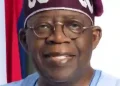
Nigeria’s participation is significant because of its economic and diplomatic influence in Africa and its longstanding calls for greater African representation in international institutions.
Countries remain represented
Although the presidents of South Africa, Egypt and Nigeria are absent, their countries are not withdrawing from the UNGA.
Each government has sent senior officials with mandates to represent national interests, participate in negotiations and engage other governments and international organisations.
However, the absence of the presidents means they will not personally deliver their countries’ positions during the high-level week or take part directly in the numerous bilateral meetings and diplomatic engagements traditionally held on the sidelines of the General Assembly.
The UNGA high-level week provides opportunities for discussions on conflicts, trade, investment, development financing, climate change, international security and global governance.
For South Africa, Egypt and Nigeria, those discussions will continue through their representatives, even though their presidents are following the proceedings from outside New York.
READ ALSO:
- 40 years in politics, I’ve never seen a president with a better plan than Tinubu — Masari
- Lagos seals church, 11 other establishments over environmental violations
- Former LASU VC: Public universities may need N1m annual tuition for sustainability
- Gilded Mane Strands Sets a New Standard for Luxury Hair in Ghana
- Eni Orisa Film Project Announces Open Casting Call for New Talents in Lagos