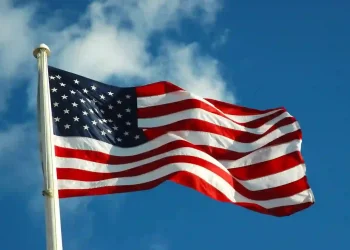







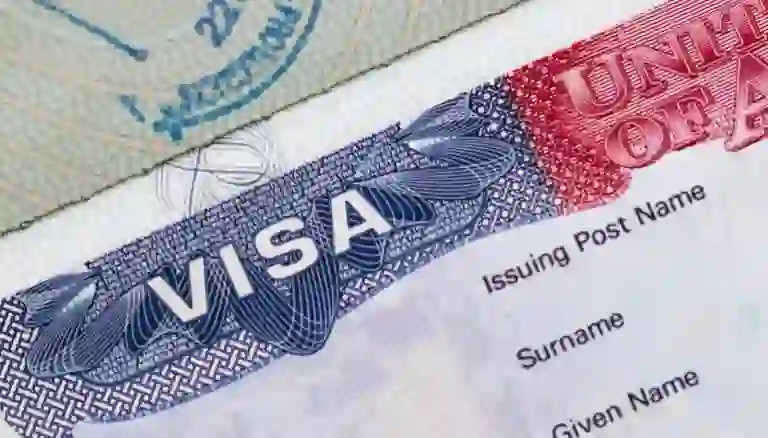
Nigerian applicants seeking US B1/B2 visas may now be required to pay a refundable bond of up to $15,000 as the United States continues its visa bond programme covering 50 countries.
The US Department of State says a consular officer can require an otherwise eligible applicant to pay a bond before a visa is issued, with the amount set at $5,000, $10,000, or $15,000 depending on the applicant’s circumstances.
Nigeria has been on the list since January 21, 2026, alongside countries including Cuba, Ethiopia, Bangladesh, Zimbabwe, and Venezuela. The programme applies wherever an applicant submits their application.
The State Department says the policy is meant to encourage compliance with US immigration rules, particularly by ensuring visitors leave before their authorised stay expires.
No Guarantee Of Visa


Officials stressed that being asked to pay a bond does not guarantee a visa will be granted. Applicants must still meet every other requirement for their visa category.
Selected applicants are required to complete the Department of Homeland Security’s Form I-352 and follow official payment instructions. The bond can be paid by the applicant or a third party, including a relative, friend, or business associate, but only through the government’s Pay.gov platform.
The State Department warned applicants against submitting the form or making any payment unless specifically directed by a consular officer, and said it would not be responsible for money paid through unofficial channels.
When The Bond Is Refunded Or Forfeited
The bond is refunded if a traveller complies with its conditions, including leaving the US on or before the authorised date. It may also be cancelled if the visa holder does not travel before the visa expires, or is denied entry at a US port.
However, the bond can be forfeited if a traveller overstays or otherwise violates the terms attached to it.
The State Department said the bond requirement is separate from other US immigration measures, such as visa suspensions affecting certain nationals, and is based on factors including overstay rates for specific countries.
Nigerians applying for US B1/B2 visas have been advised to check the latest guidance from the State Department and wait for direct instructions from a consular officer before making any payment.
READ ALSO:
- BRICS Leaders Adopt Declaration On Conflicts, Trade, Tariffs
- INEC Releases Final List Of 2027 Presidential Candidates
- Five Islamic Clerics Abducted After Prayer Meeting At Yari’s Zamfara Residence
- Ogun Transport Chairman, Iyeru, Dies
- Sanwo-Olu Reveals Why Ojota-Opebi Link Bridge Is Yet To Open