




For the first time in recent memory, Nigerians celebrated Christmas and New Year without the usual frustration of cash shortages, marking a significant victory for the Central Bank of Nigeria’s reformed cash management strategy.
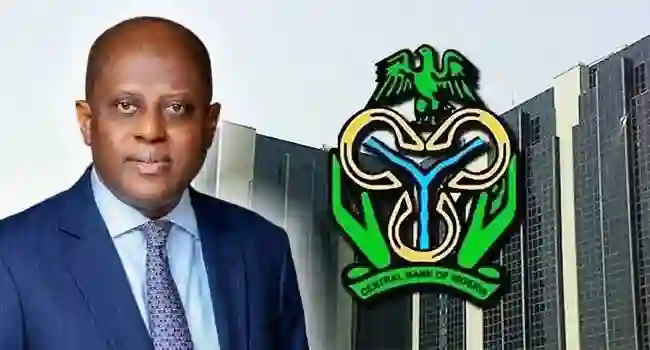
The breakthrough came after CBN Governor Olayemi Cardoso established a committee that conducted a comprehensive review of the country’s persistent cash availability challenges. The results have transformed what was once an annual ordeal into a seamless banking experience during the 2024 holiday period.
A Problem Years in the Making
Historically, festive seasons in Nigeria meant long queues at bank branches, non-functional ATMs, and desperate searches for cash through Point of Sale operators. Markets across Lagos, Abuja, Kano, and Calabar routinely experienced disruptions as traders and consumers struggled to access physical currency for transactions.
This year told a different story. Bank customers like Mrs. Nkiru Onyema reported spending just 10 minutes withdrawing N20,000 over the counter at her bank. “The old practice of queuing endlessly is finally over,” she said. Another customer, Stephen Abiodun, withdrew cash from an ATM in 15 minutes without complications.
Spot checks at bank branches in Ibeju-Lekki, Victoria Island, Wuse, Garki, and Ikeja revealed fully operational ATMs and significantly reduced wait times, with the characteristic holiday queues noticeably absent.
The Solution: End-to-End Reform
Speaking at the Chartered Institute of Bankers of Nigeria dinner in Lagos, Cardoso outlined the CBN’s comprehensive approach. “We conducted an end-to-end review of the entire cash lifecycle: production, transportation, distribution, and consumer access,” he explained.
The reforms addressed root causes rather than symptoms through several measures: recalibrated cash-printing models, new guidelines on optimal ATM-to-card ratios, mandatory CBN approval before ATM or branch closures, penalties for banks whose ATMs fail to dispense cash, and intensified supervision of payment agents and POS operators nationwide.
Dr. Uju Ogubunka, president of the Bank Customers Association of Nigeria and former Registrar of CIBN, described the development as providing “great relief” to banking customers and encouraged banks to regularly request adequate cash supplies from the CBN.
Digital Transformation Accelerates
Beyond improving cash availability, Nigeria’s digital finance ecosystem advanced significantly in 2025. The CBN extended its Payment System Vision roadmap to 2028, focusing on modernizing infrastructure and strengthening cybersecurity.
Over 12 million contactless payment cards now circulate in Nigeria, while the CBN’s regulatory sandbox has grown to accommodate more than 40 fintech innovators. Revised agent-banking guidelines have tightened anti-money laundering controls through measures like geo-fencing high-risk areas while enhancing consumer protection.
These initiatives have positioned Nigeria among Africa’s most advanced digital payments markets, with a fintech sector that has produced eight of the continent’s nine unicorn companies. By mid-2025, leading fintech applications had each surpassed 10 million downloads, with one exceeding 50 million.
New Rules for Foreign Cards
The CBN recently directed banks and financial institutions to ensure uninterrupted use of foreign-issued payment cards at ATMs, POS terminals, and online platforms. The circular, signed by Rita Sike, Director of the Financial Policy and Regulation Department, aims to improve access for tourists and diaspora Nigerians.
Financial institutions must configure all terminals to accept international cards, implement multi-factor authentication for transactions exceeding specified thresholds ($200 daily, $500 weekly, $1,000 monthly), and clearly disclose exchange rates based on prevailing official market rates before completing transactions.
The directive includes robust fraud prevention measures, requiring institutions to strengthen know-your-customer protocols, monitor unusual patterns, and maintain transaction records for at least 12 months. Unresolved complaints escalated to the CBN will attract sanctions.
Enforcement and Accountability
The CBN has backed its policies with decisive action. Recently, several Deposit Money Banks were each fined N150 million for failing to maintain cash availability in ATMs during the yuletide season. The fines were debited directly from the banks’ accounts with the apex bank following spot checks.
Hakama Sidi Ali, acting director of corporate communications at the CBN, emphasized that “ensuring seamless cash flow is paramount to maintaining public trust and economic stability.”
The CBN continues monitoring cash hoarding and rationing, working with security agencies to crack down on illegal cash sales and enforce the N1.2 million daily cumulative withdrawal limit for POS operators.


Governor Cardoso has warned banks to strictly adhere to cash distribution policies or face severe penalties, underscoring the CBN’s commitment to maintaining adequate cash buffers. “Our focus remains on fostering trust, ensuring stability, and guaranteeing seamless cash circulation across the financial system,” he stated.
The success of this holiday season suggests that Nigeria may have finally turned a corner on its chronic cash shortage problem, offering hope that the improvements will extend beyond the festive period into everyday banking operations.
READ ALSO:
- CBN Approves Oxford-Trained Adedapo Olagunju To Head JPMorgan’s Proposed Nigeria Merchant Bank
- 2027: North-West Has Chosen Tinubu, Says APC Campaign Council Member
- Stakeholders Call For Inclusive Policies To Promote Gender Equality In Nigeria
- Kaduna Government Debunks N2.3tn APC Rally Spending Claim
- Two Nigerians Wanted In US Over $3.1m Medicare Fraud, Marijuana Conspiracy