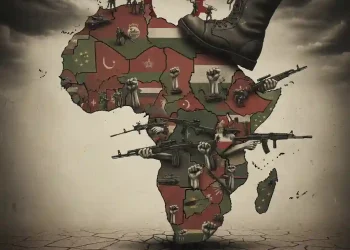











President Bola Ahmed Tinubu’s administration is facing mounting criticism for its tax policies, particularly the controversial 15% import duty on petrol and diesel. Many Nigerians perceive this move as a detrimental decision that is suffocating the economy and exacerbating the poverty that already plagues the nation.
While the government argues that this policy aims to protect local refineries and stimulate domestic production, critics contend that the reality is far more troubling.
The imposition of such a tax is likely to lead to skyrocketing fuel prices, soaring transportation costs, and a potentially catastrophic inflation rate. With a staggering 133 million Nigerians currently living in multidimensional poverty, this new burden risks pushing millions more into an even deeper state of deprivation.
Described as “taxing pain in a broken economy,” the import duty adds an additional layer of suffering for citizens who are already struggling to make ends meet. This policy not only raises concerns about the rising cost of living, with predictions that petrol prices could exceed N1,000 per liter, but it also creates an environment where competition in the market may dwindle.
The prospect of benefiting a dominant private player risks establishing a monopoly that could stifle innovation and entrepreneurship, two critical components for economic recovery.
The ripple effects of this tax policy are alarming. Experts forecast that transport fares could increase by 25-30%, further inflating the cost of living and making basic necessities increasingly unaffordable.
Food inflation, already a pressing issue, is projected to reach 45% by early 2026, which would intensify poverty and hunger in the nation. Small businesses and logistics companies, vital to Nigeria’s economic fabric, may struggle to absorb these increased costs, potentially leading to widespread job losses and further entrenching economic hardship for many families.
Instead of resorting to new tax impositions that exacerbate the plight of ordinary Nigerians, the government should consider more inclusive and sustainable economic policies.



Providing incentives and support for smaller refineries could boost production and reduce reliance on imports, while promoting alternative energy sources could help diversify the energy landscape and lessen dependence on fossil fuels.
Furthermore, implementing targeted social programs would cushion the impact of economic reforms, especially for the most vulnerable populations.
In conclusion, the government’s approach to fiscal policy must strike a balance between generating revenue and safeguarding the welfare of its citizens. By genuinely listening to the concerns of Nigerians and exploring innovative alternatives, the Tinubu administration has the opportunity to work toward a more sustainable and equitable economic future for all.
Economic recovery must focus not just on numbers but on the everyday lives of people, it is their struggles that ought to inform policy decisions moving forward.
By Gabriel Choba.