










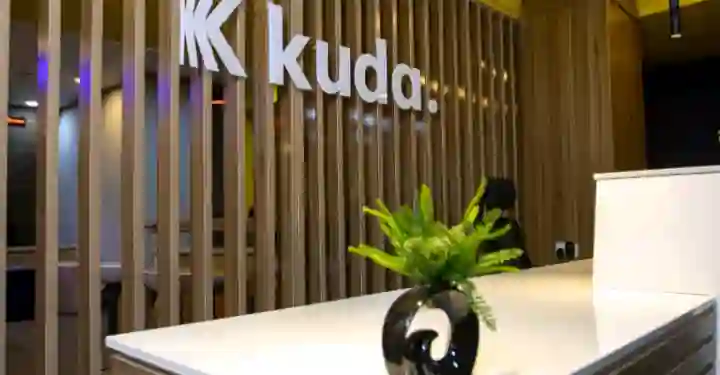
Kuda Microfinance Bank has obtained a national microfinance banking licence from the Central Bank of Nigeria, a regulatory advancement that eliminates territorial restrictions while requiring the digital lender to establish physical locations nationwide.
The upgrade transforms Kuda’s regulatory framework from a unit microfinance licence—which confined physical operations to a single locality—to national authorization. Though Kuda’s digital platform already reached customers across Nigeria, its previous licence prohibited multiple branches or service points beyond its original jurisdiction.
“Securing a national microfinance banking licence is an important step for us as a regulated institution,” said Kuda Chief Executive Musty Mustapha, noting the move strengthens regulatory compliance and supervisory relationships.
The national licence carries mandatory physical expansion requirements. Kuda intends to open experience centres designed to provide direct customer support and community engagement, complementing rather than replacing its digital-first infrastructure.
This represents a strategic pivot from Kuda’s historically lean operational model. Digital banks typically avoid physical infrastructure to contain costs and accelerate scaling. The national licence reshapes this equation by imposing expectations for in-person accessibility.



Each branch opening requires explicit Central Bank approval, with unauthorized locations subject to penalties. This regulatory structure enforces measured expansion rather than rapid, uncoordinated growth.
The licence upgrade introduces substantially increased compliance obligations. Kuda must now publish annual financial statements in a national daily newspaper and meet stricter disclosure standards, narrowing the regulatory gap between digital operators and conventional banks.
Capital requirements increase markedly under national licensing. Kuda faces a significantly higher paid-up capital threshold intended to bolster financial stability and depositor protection, though this raises the institution’s cost structure and absorbs capital that might otherwise fund expansion.
Kuda’s licence transition follows similar regulatory upgrades granted to other fintech firms and microfinance banks operating digital platforms with nationwide reach. The Central Bank’s actions reflect efforts to align formal licensing with actual operational scale while maintaining financial inclusion objectives.
The licence does not alter Kuda’s existing product offerings. The bank will maintain digital banking services including transfers, payments, savings and instant credit through its mobile application, with physical centres serving as supplementary touchpoints for customers preferring or requiring face-to-face interaction.
Transaction data reveals substantial platform activity, supporting the regulator’s assessment that Kuda’s nationwide user base warrants national licensing.
The regulatory transition intensifies oversight and elevates operating expenses. Higher capital requirements and expanded compliance responsibilities may erode cost advantages traditionally enjoyed by digital banking platforms. Kuda must reconcile these new obligations with continued digital innovation.
Kuda’s articulated approach maintains digital services as its foundation while developing physical access points where mandated. This hybrid strategy reflects pragmatic accommodation of regulatory requirements without abandoning the technology-driven, scalable model that defines its competitive positioning.
Execution quality will determine the transition’s outcome. Kuda must demonstrate capacity to fulfill regulatory mandates, manage physical expansion costs, and sustain digital service growth without compromising its value proposition to digitally native customers.
READ ALSO:
- Kuda Bank Secures National Licence, Mandated to Build Physical Branch Network
- Former CNN Anchor Don Lemon Arrested in Connection with Minnesota Church Protest
- W.O.W Africa Set to Host Continental Gathering of Africa’s Most Influential Women
- YABATECH, Sterling Bank Partner to Bridge Academic-Industry Gap with Work-Study Initiative
- NAFDAC DG: Sachet Alcohol Turning Children Into Addicts, Ban Stands