





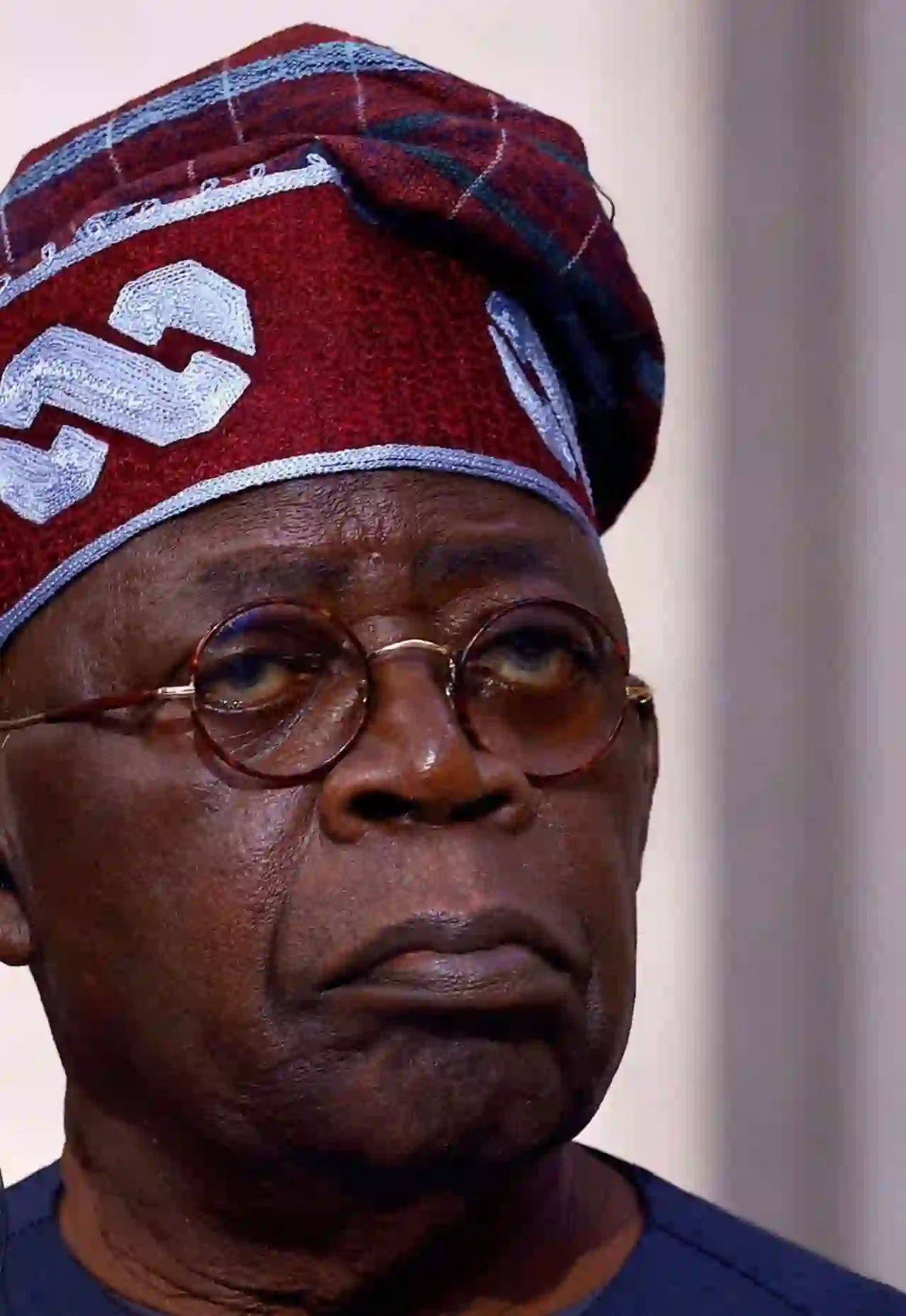
A community organisation, Ilaje Omuro Community Connect (IOCC), has petitioned President Bola Tinubu, the National Assembly and anti-corruption agencies over the alleged diversion of the Lagos-Calabar Coastal Highway from the coastline of Ondo State to an inland route.
The group described the reported realignment as an economic and geographical injustice against the Ilaje people, calling for an independent engineering assessment, a comparative cost audit and the public release of documents explaining the decision.
In a statement signed by its counsel, Babatunde Omobone, the organisation said it represented more than 1,000 indigenes of Ilaje Local Government Area of Ondo State. It urged the Federal Government to provide a transparent explanation for the reported change in the highway’s alignment.
The Lagos-Calabar Coastal Highway, one of the major infrastructure projects of the Tinubu administration, is designed to cover approximately 750 kilometres, connecting Victoria Island in Lagos to Calabar, the capital of Cross River State.
Launched in March 2024, the project is expected to pass through Ogun, Ondo, Edo, Delta, Bayelsa, Rivers and Akwa Ibom states before terminating in Cross River State.
The Federal Government has said the highway will improve transportation, promote coastal trade and tourism, and strengthen logistics and economic activities across the southern coastal region. The planned infrastructure includes six lanes, concrete pavement, solar-powered lighting and train tracks.
However, controversy has surrounded the Ondo State section following reports that the Federal Ministry of Works had moved the proposed route away from the Ilaje coastline towards an inland corridor.
Group Questions Change in Original Route
According to IOCC and other stakeholders from Ilaje and Itsekiri communities, the original survey and Environmental Impact Assessment (EIA) indicated that the highway would enter Ondo State from Ogun State through Olosunmeta.
The proposed coastal alignment was expected to pass through Araromi, Abetobo, Abe-Oroyo, Ogogoro, Ayetoro, Awoye, Molutehin, Ugbonla, Ilowo, Ilepete, Obe-Enikanoselu, Obe-Rewoye, Ikorigho, Jinrinwo and Igbo-Egunrin before reaching the Igbokoda waterfront.
From there, the route was expected to connect to Ode-Ugborodo and Escravos in Delta State.
The organisation estimated that the Ondo coastal stretch would cover between 60 and 110 kilometres.
However, IOCC alleged that the route had been diverted from Oke-Upare inland through Ovia North and Ovia West in Edo State to Gelegele, which it said is approximately 10 to 20 kilometres from the sea, before connecting to Warri in Delta State.
The group claimed that the alternative alignment could span between 130 and 190 kilometres and pass through swampy terrain requiring extensive bridge construction.
It argued that the proposed inland route could increase construction costs, extend the distance covered and undermine the original coastal objectives of the highway.
Umahi Defends Highway Realignment
The group also questioned the engineering reasons provided by the Minister of Works, Senator David Umahi, for the reported change in alignment.
Umahi defended the decision during a briefing in Abuja last Wednesday, insisting that it was based on sound engineering considerations.
The minister maintained that the Federal Government had no regrets about the decision, stressing that stakeholders were entitled to petition the government while the ministry retained the responsibility to make what it considered appropriate engineering decisions.
According to Umahi, some sections of the original proposed route contained pits more than 100 metres deep, while suitable sharp sand was reportedly unavailable within 300 metres of the affected areas.
He explained that these conditions would make construction technically challenging and more expensive because of the extensive filling and ground stabilisation required.
However, IOCC disputed the cost justification, arguing that the original coastal route could be more economical than the proposed inland alignment.
The organisation estimated that construction along the coastal corridor would cost between ₦4 billion and ₦7.5 billion per kilometre, compared with an estimated ₦7.5 billion to ₦12 billion per kilometre for the inland route.
It attributed the higher projected cost of the inland alignment to difficult terrain and the need for extensive bridge construction.
To support its argument, the group cited previous road projects undertaken in the Ilaje coastal environment, including the Igbokoda-Ugbonla road constructed by the Ondo State Oil Producing Areas Development Commission (OSOPADEC).
It also referenced a Ugbonla-Awoye road contract reportedly awarded by the Niger Delta Development Commission (NDDC) in 2010.
The organisation questioned why the proposed coastal highway route should be considered impracticable when other roads had been constructed in the area.
It called on the Ministry of Works to publish the feasibility studies, geotechnical investigations, soil test results, environmental impact reports and comparative cost-benefit analyses for both proposed alignments.
IOCC further demanded an independent assessment by qualified engineering professionals, insisting that advances in bridge construction, coastal protection and tunnelling should be considered before the coastal corridor was ruled out.
Group Warns of Economic Impact on Ilaje Communities
Beyond the engineering and financial arguments, IOCC said the reported realignment could have serious economic and social consequences for communities along the Ondo coastline.
The group described Ilaje as a strategically important coastal area, with an estimated coastline of between 80 and 100 kilometres and oil production reportedly exceeding 60,000 barrels per day.
Despite its natural resources, the organisation said many communities in the area continued to struggle with coastal erosion, sea incursion, poor road access and limited economic opportunities.
It identified Abereke, Orioke, Magbehinwa, Idiogba, Mese, Ayetoro and Awoye-Odofado among the communities that could be affected by the decision.
According to the group, excluding the coastal axis from the highway could limit opportunities in fisheries, agriculture, tourism, trade and logistics.
It warned that the reported route change could also discourage investment, restrict access to markets and further isolate communities whose ancestral homes, fishing grounds and livelihoods were already threatened by environmental challenges.
The organisation argued that a highway designed to improve coastal connectivity should provide meaningful economic benefits to communities located along the coastline rather than bypassing them without sufficient public explanation.


Ilaje, Itsekiri Leaders Oppose Reported Diversion
The petition followed a meeting of Ilaje and Itsekiri leaders held in Lagos on September 19, 2026.
At the meeting, the two groups reportedly agreed to work together to ensure that the highway retained its original coastal alignment. They also threatened legal action over the alleged diversion.
Senior Advocate of Nigeria, Ebun-Olu Adegboruwa, and the pan-Yoruba socio-political organisation Afenifere have also criticised the reported realignment.
Their concerns centre on whether moving the highway inland would undermine its intended purpose as a coastal transportation corridor.
The dispute has therefore raised broader questions about the engineering, financial and economic considerations guiding the implementation of the multibillion-naira infrastructure project.
IOCC Seeks Tinubu’s Intervention
In its petition, IOCC called on President Tinubu to intervene in the matter and ensure that the decision on the Ondo section of the highway was supported by transparent and verifiable evidence.
The group also urged the National Assembly to exercise its oversight responsibilities by examining the circumstances surrounding the reported realignment.
It asked the Federal Ministry of Works to provide a comprehensive public explanation of the decision, including the technical and financial assessments used to determine the preferred route.
The organisation further called on the Economic and Financial Crimes Commission (EFCC) to investigate any credible evidence of financial misconduct, abuse of office or improper influence connected with the route change.
However, it clarified that its petition was not a declaration of guilt against any individual or institution but a request for accountability and a fair investigation of any substantiated allegations.
IOCC also demanded meaningful consultations with affected communities, traditional institutions and civil society organisations before a final decision was made on the highway’s alignment.
The group maintained that its campaign was not intended to oppose any individual or state but to ensure fairness in the execution of a major national infrastructure project.
It stressed that the people of Ilaje deserved equal consideration in decisions affecting the development of the country’s coastal communities.
According to the organisation, the Federal Government should ensure that the final route is determined through transparent engineering assessments, sound financial considerations and adequate consultation with the communities likely to be affected.
The group urged the government to address the concerns raised in its petition and make relevant project documents available to the public to strengthen confidence in the implementation of the Lagos-Calabar Coastal Highway.
READ ALSO:
- Lagos-Calabar Highway: Group Petitions Tinubu, National Assembly Over Ondo Route Diversion
- Sowore Reveals What Pastor Adeboye Told Him During Recent Meeting
- International Day of the Girl Child 2026: Pad Me A Girl Reaches Over 15,000, Calls for More Support for Menstrual Health
- Adebutu, Pantami and Gwarzo missing from final lists as parties race to correct omissions
- Tension grips Delta community over fresh crude oil discovery