









Nigeria remains heavily dependent on petroleum imports despite increased domestic production, as local refineries fail to meet the country’s daily fuel consumption requirements.
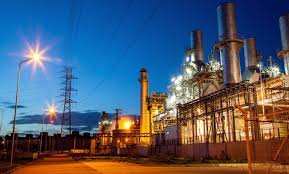
Data from the Nigerian Midstream and Downstream Petroleum Regulatory Authority (NMDPRA) shows that the Dangote Refinery delivered an average of 23.52 million litres of petrol daily in November 2025, representing a substantial increase from the 18.03 million litres per day recorded between October 2024 and October 2025.
However, this production level remains significantly below the 35 million litres daily target previously established by the regulatory authority, highlighting the persistent gap between supply and demand in Africa’s largest oil producer.
Nigeria consumed approximately 52.9 million litres of petrol per day in November 2025, while domestic refineries collectively supplied just 19.5 million litres daily. The resulting shortfall of 52.1 million litres was covered through imports, according to NMDPRA’s November 2025 State of the Midstream and Downstream Fact Sheet.



The Dangote Refinery also contributed 5.596 million litres of diesel (Automotive Gas Oil) per day during the period. Meanwhile, other government-owned facilities, including the Warri, Kaduna, and Port Harcourt refineries, remained non-operational.
The supply challenge has complicated government efforts to reduce import dependence. In October 2025, President Bola Tinubu proposed a 15 percent import duty on petrol and diesel to encourage local refining capacity. However, the government suspended the tariff implementation by mid-November due to concerns about potential price increases and the domestic sector’s inability to satisfy national requirements.
NMDPRA attributed November’s production increase partly to stockpiling efforts ahead of the festive season. The agency noted that low output in September and October, combined with strategic imports by the Nigerian National Petroleum Company Limited (NNPC), aimed to ensure adequate inventory during the year-end period. Twelve vessels originally scheduled for October discharge were delayed, contributing to the November surge.
Fuel prices across Nigeria continue to vary by region. Lagos recorded the lowest average petrol price at N910 per litre, while Maiduguri saw the highest at N982.50 per litre. Other major cities reported prices of N945.50 in Abuja, N975 in Kano, N927 in Calabar, N971.50 in Sokoto, N923.50 in Ibadan, and N948 in Enugu.
The ongoing supply deficit underscores the challenges facing Nigeria’s petroleum sector as it attempts to transition from import dependence to self-sufficiency in fuel production.