











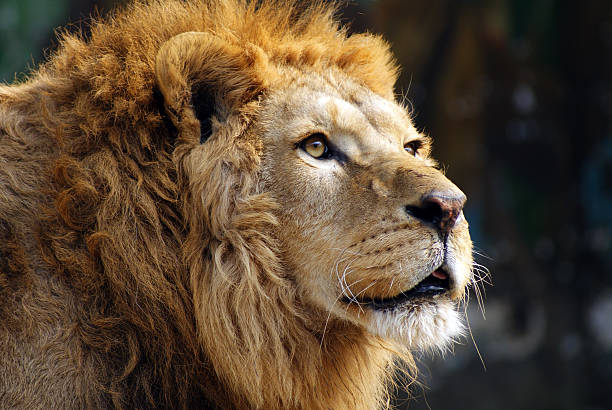
The iconic roar of the Lion has long been the fundamental heartbeat of the African wilderness, a sound that speaks of untamed power and ancient rhythms. For decades, that heartbeat has been fading, growing fainter under the immense pressure of human expansion. Headlines have prophesied a bleak future for the Lion: “Lion populations to halve in most of Africa in next 20 years.” Where the Lion once ruled vast territories, it has been quietly disappearing, vanishing into the pages of history. But now, if one listens closely in certain corners of the continent, a new, more hopeful rhythm is emerging. It is not a continent-wide recovery, but a series of hard-fought, localised victories—a flicker of maned hope against a backdrop of continued decline.
Islands of Success in a Sea of Struggle
The narrative of Africa’s lions is not a single story, but a deeply fractured one. The overall picture remains alarming. The International Union for Conservation of Nature (IUCN) lists the African Lion as “Vulnerable,” citing a devastating 43% population decline between 1993 and 2014. In West and Central Africa, the situation is particularly dire, with small, isolated prides predicted to decline by another 50% in the coming decades, teetering on the brink of local extinction due to rampant habitat loss and insufficient genetic diversity.
Yet, against this grim continental trend, specific, well-managed regions—primarily in southern and eastern Africa—are writing a different script. These are not accidental success stories; they are the direct result of innovative, relentless, and collaborative conservation models that are proving the Lion’s future can be rewritten.
The Blueprint for a Comeback
The formula for recovery is multifaceted, and its successful application is breathing life back into landscapes that had fallen silent.
1. Targeted and Intensive Protection: The first and most fundamental step is securing a safe haven. In Zambia’s vast Kafue National Park, a significant increase in anti-poaching patrols, better equipment, and strategic intelligence-led operations has created a safer environment for the Lion. The result has been a direct and measurable increase in cub survival rates, translating into a likely positive population growth rate for the park’s prides. Similarly, in Mozambique’s Zinave National Park, a country ravaged by civil war and poaching, a landmark moment occurred in 2021: a Lion was sighted, its tracks pressed into the earth, for the first time in decades—a powerful symbol of nature’s resilience when given a chance.
2. The Miracle of Rewilding: Perhaps the most dramatic interventions are the reintroductions led by organizations like the non-profit African Parks. They are literally bringing the Lion back to landscapes where it had been silenced. In 2015, seven lions were transported to Rwanda’s Akagera National Park. From that founding population of just nine individuals (two additional males were later added), the pride has exploded to over 60 animals, a thriving, self-sustaining population that has restored a critical piece of the ecosystem. The same story is unfolding under African Parks’ management in Benin’s Pendjari National Park, where Lion numbers are steadily climbing.
3. Community as the Cornerstone: Conservationists have learned that saving the Lion is impossible without the support of the people who live alongside them. Innovative community-based programs are tackling the primary threat of human-wildlife conflict head-on. In the Lake Burunge-Manyara landscape of Tanzania, initiatives that work directly with local communities to build better livestock enclosures (bomas) and implement rapid response teams have dramatically reduced retaliatory killings, allowing the Lion population to rebound.
In Kenya’s Maasai lands, the groundbreaking Lion Guardians program employs Maasai warriors to monitor Lion movements, help locate lost livestock, and reinforce bomas. Coupled with compensation schemes for verified livestock losses, these programs have transformed former adversaries into the Lion’s most passionate protectors, drastically reducing the need for retaliatory killings.
4. Southern African Strongholds: Southern Africa has emerged as a vital bastion for Lion conservation. A combination of large, well-funded, and intensively managed national parks and private reserves has created a network of strongholds where populations are not just stable but are often increasing. These areas demonstrate the efficacy of blending high-end tourism, which funds protection, with rigorous scientific management.



The Unvanquished Threats
Despite these encouraging signs, the path forward for the Lion is fraught with peril. The illegal wildlife trade, driven by demand for Lion bones and other body parts for use in traditional medicine in Asian markets, is a sinister and growing threat that fuels poaching. Furthermore, the decline of large herbivore populations—the Lion’s primary prey—due to bushmeat hunting and habitat degradation remains a silent crisis, starving prides even in places where they are not directly hunted.
The greatest challenge remains the expanding interface between human and wildlife. As settlements grow, the competition for space and resources intensifies, ensuring that human-wildlife conflict will continue to be the single biggest day-to-day threat to lions across their range.
A Precarious Hope
The story of the African Lion today is one of stark contrast. It is a tale of two futures: one of managed recovery in specific, funded areas, and one of relentless decline across much of the continent’s more neglected regions.
The localized successes are more than just good news; they are a vital proof of concept. They demonstrate unequivocally that with sustained investment, sophisticated anti-poaching, community partnership, and political will, the Lion can and does recover. They are a blueprint for what is possible.
The battle for the long-term survival of the African Lion is far from over. It is a sustained, generational effort that requires a multi-faceted approach. But the faint heartbeat growing stronger in places like Akagera, Zinave, and Kafue is a powerful reminder that the king of beasts is not yet ready to surrender its throne. The question remains whether we can extend this flicker of hope for the Lion across the continent before the clock runs out.

Seunmanuel Faleye is a brand and communications strategist. He is a covert writer and an overt creative head. He publishes Apple’s Bite International Magazine.