




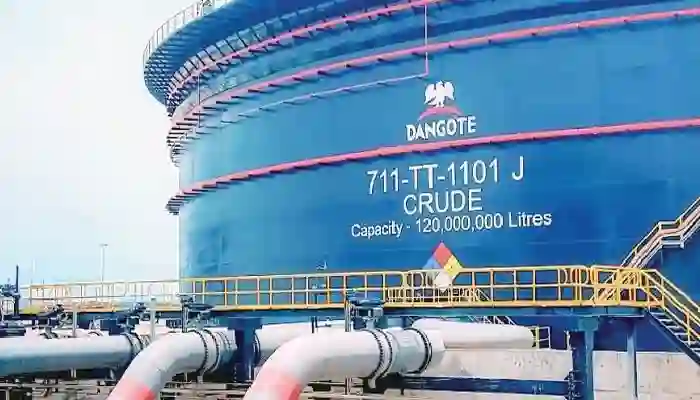
Nigeria has crossed a historic threshold in energy self-sufficiency as the Dangote Petroleum Refinery & Petrochemicals begins supplying between 60 and 65 million litres of petrol daily to the domestic market — enough to meet national demand and generate an exportable surplus of up to 20 million litres.
Aliko Dangote, President of the Dangote Group, announced in Lagos that a formal offtake agreement has been finalised with a network of leading fuel marketers to guarantee nationwide distribution and put an end to the chronic supply disruptions that have long plagued Nigerian motorists and businesses.
“We have agreed an offtake framework to supply up to 65 million litres daily for the domestic market,” Dangote said. “Any surplus, estimated at between 15 and 20 million litres, will be exported.”
With Nigeria’s daily petrol consumption hovering between 50 and 60 million litres, the refinery’s output now comfortably exceeds what the country needs — a development that draws a definitive line under decades of dependence on imported fuel and the economic vulnerabilities that came with it.
Distribution will flow through a structured framework approved by the Nigerian Midstream and Downstream Petroleum Regulatory Authority, channelling supply through major marketing companies including MRS Oil Nigeria, NNPC Retail, 11 Plc, TotalEnergies Marketing Nigeria, Rainoil, Northwest Petroleum & Gas, Ardova, Bovas & Company, AA Rano Nigeria, AYM Shafa, Conoil and Masters Energy. The arrangement is specifically designed to close the loopholes that have historically enabled speculative hoarding and artificial scarcity.
Industry analysts are calling the development a structural turning point. As Africa’s largest crude oil producer yet historically one of its biggest importers of refined petroleum, Nigeria has long haemorrhaged foreign exchange on petrol imports while exposing its economy to logistics shocks and currency pressure. Local refining capacity now exceeding demand is expected to conserve billions of dollars annually, ease strain on the naira, and bolster the country’s external reserves and trade balance.



The significance of the facility was underscored by NNPC Group Chief Executive Officer Engr. Bayo Bashir Ojulari, who during a recent visit to the plant described it as a transformative national asset with the power to reshape Nigeria’s energy security and drive industrial growth.
Ojulari was particularly struck by the plant’s output figures, which surpassed its own design specifications. “This plant was designed for 650,000 barrels per day. None of us thought it would even touch 550,000. What we saw live today was 661,000. These are live parameters — not reports or photographs,” he said.
READ ALSO:
- Gumi Claims US Lured Khamenei With Peace Talks While Secretly Planning His Elimination
- Lafarge Africa’s Revenue Crosses N1.1trn Mark With 53% Growth
- US, Israel Eliminate Iran’s Senior Military Leadership
- Power Minister Blasts IBEDC for Slow Meter Distribution
- Lagos Gallery Weekend Returns for Third Edition with “Art for All” Theme