


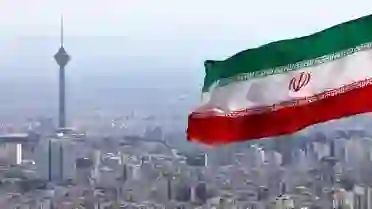
Iran is a sprawling, resource-rich nation with deep ethnic and religious roots, governed by a unique clerical system that has shaped its identity since the 1979 revolution toppled the monarchy. Here is what you need to know about the Islamic Republic.
A Nation of Many Peoples
With a population of over 85 million — roughly three-quarters of whom live in cities — Iran is one of the region’s most populous countries. Tehran, the capital, is home to around 10 million residents, with Mashhad and Isfahan among other major urban centers. While Persians make up the majority, significant minorities including Azerbaijanis, Kurds, Arabs, Lurs, Baloch and Turkmen contribute to a richly diverse social fabric. Persian serves as the official language, but Azeri, Kurdish, Arabic, Gilaki, Luri and Balochi are all widely spoken across the country.
Shiite Islam at Its Core
More than 90 percent of Iranians follow Shiite Islam, making Iran the largest Shia-majority country in the world. Sunnis account for most of the remaining Muslim population, largely concentrated near border regions. Christians, Jews and Zoroastrians are recognized religious minorities, while the Bahai community remains without official recognition.
An Energy Powerhouse Under Pressure
Iran sits atop approximately 10 percent of the world’s proven oil reserves and around 15 percent of global natural gas reserves, placing it among the top energy powers on the planet. Hydrocarbons directly and indirectly account for up to 30 percent of GDP and represent an even larger portion of export and state revenues. Beyond energy, Iran maintains a diversified economy spanning petrochemicals, steel, automotive manufacturing, mining and agriculture. That said, international sanctions, a volatile currency and structural inefficiencies have consistently weighed on economic growth.
A Geography That Commands Attention
Iran’s location at the crossroads of the Middle East, Central Asia and South Asia gives it outsized strategic importance. The second-largest country in the Middle East by land area, it shares borders with seven nations including Iraq, Turkey, Afghanistan and Pakistan. Iran controls the northern shore of the Strait of Hormuz, through which a significant share of the world’s oil and liquefied natural gas passes, making Tehran a critical player in global energy security. Iran also borders the Caspian Sea, a resource-rich inland body of water shared with Russia and several Central Asian states. Historically a hub of trade and empire, Iran’s role as a transit corridor has been significantly diminished by decades of international sanctions.
Clerics, Councils and the Ballot Box
The 1979 revolution that removed Shah Mohammad Reza Pahlavi gave birth to a political system that blends elected institutions with entrenched clerical authority. At the top sits Supreme Leader Ayatollah Ali Khamenei, who commands the armed forces and holds final say over the judiciary, state media and overarching national policy. A president, elected every four years by popular vote, manages the executive branch and day-to-day governance — but only after being vetted and approved by the Guardian Council, an unelected body of clerics and jurists that also scrutinizes legislation passed by parliament.
READ ALSO:
- Lagos Resident Says Filling Station Sold Her Water Instead of Petrol
- Adron Group Presents Affordable Housing Solutions at Africa ESG Conference 2026
- Okin Biscuits Make a Comeback With a Fresh New Look
- Moniepoint Ends MonieWorld UK Remittance Service
- US Lobbying Firm Alleges Tinubu Spent Millions Fighting Release of Drug-Related Records