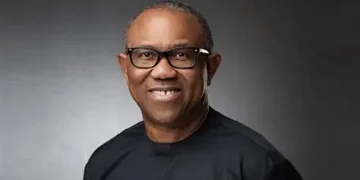



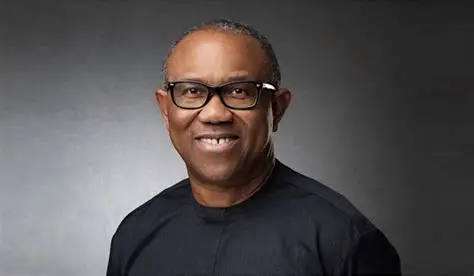
Peter Obi, the presidential candidate of the Nigeria Democratic Congress (NDC), has blamed the removal of fuel subsidy, the floating of the naira and the federal government’s tax reforms for the worsening economic hardship in Nigeria.
Obi said the policies introduced under President Bola Tinubu’s administration had contributed to rising prices, business closures, unemployment and a decline in the standard of living of many Nigerians.
The former Anambra State governor also criticised the federal government’s 30-day petrol discount initiative, arguing that the intervention was too limited to provide meaningful relief to citizens struggling with the high cost of living.
In a statement, Obi said the discount covered fewer than four per cent of filling stations across the country, raising concerns about the accessibility and effectiveness of the programme.
He maintained that the government should prioritise sustainable economic policies capable of reducing the cost of living rather than relying on temporary measures that fail to address the underlying causes of the country’s economic difficulties.
Obi reiterated his position that fuel subsidy should be restored, alongside increased support for agriculture, healthcare, education and infrastructure.
According to him, such interventions must be implemented through transparent and accountable systems to ensure that public funds benefit ordinary Nigerians instead of being lost to corruption and mismanagement.
The NDC presidential candidate also promised to present a more detailed policy roadmap for achieving what he described as fair, transparent and affordable petroleum pricing.
He stressed that Nigeria needed leadership committed to reducing the cost of living through sustainable economic policies, responsible governance and effective management of public resources.
Obi Questions Effectiveness of 30-Day Petrol Discount
Obi described the federal government’s 30-day petrol discount programme as a political gimmick, questioning why the administration had introduced a temporary price reduction after Nigerians had endured years of economic hardship following the removal of fuel subsidy.
He argued that the initiative failed to address the wider consequences of high petrol prices, including poverty, unemployment, insecurity and the increasing cost of goods and services.
The former governor further questioned the limited number of filling stations participating in the programme, stating that the discount would be available at approximately 900 retail outlets operated by the Nigerian National Petroleum Company Limited (NNPCL), out of an estimated 24,000 filling stations nationwide.
According to Obi, this represents less than four per cent of the country’s filling stations, leaving millions of Nigerians with limited access to the temporary relief.
Using an estimated national population of 243 million, Obi calculated that each participating NNPCL retail outlet would theoretically serve approximately 243,000 people if the population were evenly distributed among the stations.
He warned that the arrangement could lead to intense competition among motorists seeking the discount of about ₦66 per litre, particularly in locations where NNPCL outlets are scarce.
“Imagine 243,000 Nigerians struggling for a ₦66 per litre discount in each of the NNPC petrol stations. This is certainly not how to govern a richly blessed and endowed nation!” he said.
Obi Raises Questions Over Timing of Initiative
Obi also questioned the timing and broader objectives of the petrol discount, asking whether the government intended to assess the possibility of restoring fuel subsidy or influence public opinion ahead of the 2027 general election.

He argued that the administration needed to explain how a temporary discount covering such a small proportion of filling stations would improve the economic conditions of Nigerians.
“What really does the President Bola Tinubu-led government want to achieve with a one-month discount of less than five per cent on fuel cost? Will it reduce poverty, unemployment, insecurity, and inequality? Will it increase productivity and exports?” Obi asked.
He further questioned whether the initiative was a test to determine if fuel subsidy should be restored or a political strategy in response to the possibility of electoral losses in 2027.
“Is it a test to ascertain if subsidy should be restored? Is it another political gambit in the face of threats of electoral loss in the 2027 election? Too many questions, no answer!” he added.
Calls for Proper Assessment of Economic Policies
The NDC presidential candidate maintained that the federal government should have conducted a comprehensive regulatory impact assessment and consulted relevant stakeholders before introducing major economic policies.
He argued that such assessments would help identify the likely effects of government decisions on households, businesses, employment and the wider economy.
Obi insisted that the petrol discount was insufficient to address the economic challenges confronting the country, describing it as an intervention driven more by political considerations than by a commitment to delivering lasting relief.
He called for a comprehensive approach to economic management that would reduce the cost of living, improve productivity, support businesses and create employment opportunities.
Obi maintained that Nigerians needed practical and lasting solutions to the economic pressures they face, rather than temporary interventions that offer limited relief without addressing the fundamental problems affecting the economy.
READ ALSO:
- Former Imo Governor Rochas Okorocha Arrested
- Obi Blames Fuel Subsidy Removal, Naira Float, Tax Reforms for Nigeria’s Economic Hardship
- Shettima Assures North Of Greater Benefits If Tinubu Wins Second Term
- Amnesty International Urges Wike to Halt Maitama Demolition, Review Plot Allocation
- Tinubu Warns Political Allies Against Using His Name for Personal Ambitions