





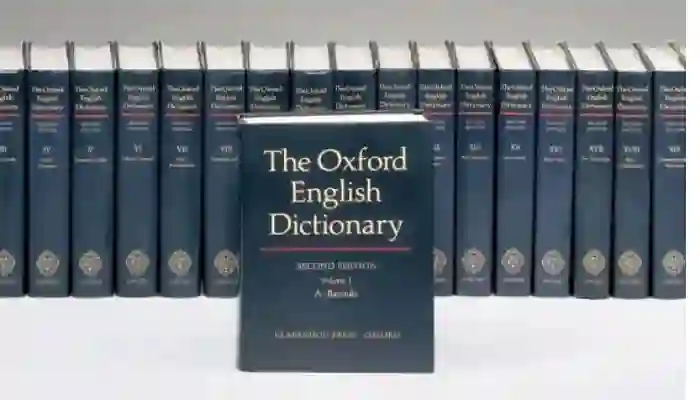
The Oxford English Dictionary has officially recognized 24 Nigerian words and phrases, marking a significant milestone in the global acceptance of West African linguistic contributions. Terms like “nyash,” “biko,” “abeg,” and “Ghana-Must-Go” have now earned their place in one of the world’s most authoritative language references.
West African Voices Enter the Global Stage
This historic inclusion represents more than just a dictionary update—it’s formal acknowledgment of Nigerian English, Pidgin, and indigenous expressions that have already permeated international communication, entertainment, literature, and digital platforms.
According to Oxford’s official statement, the newly recognized words primarily originate from Nigeria and Ghana, West Africa’s two most populous English-speaking nations. Additional contributions come from The Gambia, Liberia, and Sierra Leone, showcasing the region’s interconnected linguistic landscape.
Notable Additions to Oxford’s Pages
Among the most recognized entries are:
Nyash – Popular slang referring to large or prominent buttocks
Abeg – A casual way of saying “please”
Biko – An Igbo expression meaning “please” or “I beg you”
Ghana Must Go – The iconic large checkered bag ubiquitous throughout West Africa
Mammy market – A marketplace typically located within military barracks
Moi moi – A beloved steamed bean pudding made from blended beans

These terms capture Nigeria’s culinary traditions, social customs, humor, and daily experiences, making their official recognition particularly meaningful.
Cultural Validation Beyond Words
For Nigerians, this development transcends linguistic achievement—it represents cultural validation on the global stage. Oxford’s inclusion formally recognizes Nigerian English as a vibrant, legitimate language variety shaped by unique historical contexts, creative expression, and authentic lived experiences.
The move demonstrates how African linguistic innovation continues reshaping global English, dismantling longstanding barriers that once marginalized non-Western language forms.
These newly authenticated words preserve authentic Nigerian narratives, from street-level slang to traditional cuisine. Their official status ensures that researchers, students, and language enthusiasts worldwide will access proper definitions and cultural context for generations to come.
As Nigerian culture dominates international spaces—through Afrobeats music, Nollywood films, and viral social media trends—the nation’s language rightfully claims its position in global discourse.
This recognition stands as a proud achievement for Nigeria and the broader West African region, cementing their linguistic legacy in the pages of the Oxford English Dictionary.
READ ALSO;
- US Survivors of Online Sexual Abuse Face Systemic Failures and Legal Void, Report Reveals
- Ex-Nigeria Oil Minister Diezani Alison-Madueke on Bribery Trial Spent £2m at Harrods, Court Hears
- Turkish Officials Call Nigerian Media’s Focus on Tinubu’s Stumble ‘Silly and Mischievous’ – Dabiri-Erewa
- Lawmakers Condemn Gombe Bandit Attacks, Press for Swift Military Response
- NSCDC Clarifies Position on Delayed Promotion Arrears Payment