






THE resurrection of the Oyo State Council of Obas and Chiefs, dormant for over a decade, was envisioned as a bridge between ancestral heritage and contemporary governance.
However, the revival has instead reignited a long-simmering dispute: who holds ultimate authority when tradition collides with modern policy
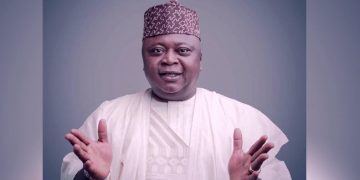
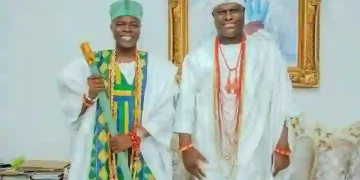
Central to this controversy are four influential figures Governor Seyi Makinde, the Alaafin of Oyo, Oba Akeem Abimbola Owoade I, the Olubadan of Ibadanland, Oba Rashidi Adewolu Ladoja, and the Olugbon of Orile-Igbon, Oba Francis Alao. Each represents competing visions of tradition, governance, and the evolution of Yoruba monarchy in Oyo State.
Origins of the dispute
In 2011, as his administration drew to a close, former Governor Adebayo Alao-Akala sparked controversy by removing the late Alaafin of Oyo, Oba Lamidi Adeyemi III, from his permanent position as chairman of the traditional council.
Working through the State House of Assembly, Alao-Akala secured amendments to the laws governing traditional institutions. The revised legislation replaced the Alaafin’s exclusive leadership with a rotational system shared among three senior monarchs: the Alaafin, the Soun of Ogbomoso, and the Olubadan of Ibadanland.
This decision came after years of tension. Both the Soun of Ogbomoso, Oba Jimoh Adewumi, and the Olubadan, Oba Samuel Odulana, had repeatedly refused to attend meetings chaired by the Alaafin, insisting they deserved equal leadership opportunities.
Related News:
- Igboho to Alaafin, Olubadan: Focus on tackling insecurity, not chairmanship tussle
- Olubadan, Alaafin ‘feud’ unimpressive – Sunday Igboho
- Row over Oyo rotational Council of Obas’ Chair deepens
Political calculations behind the reversal
Initially, Governor Alao-Akala had publicly maintained that the chairmanship belonged exclusively to the Alaafin. His subsequent U-turn surprised many observers.
The former governor justified his decision by citing Section 3(3) of the law establishing the Council of Obas and Chiefs. However, political analysts suggested the move was influenced by electoral outcomes—specifically, poor performance by the ruling Peoples Democratic Party in the three local government areas under the Alaafin’s jurisdiction during three consecutive elections.
The amended legislation, signed by then-Clerk Olugboyega Adebolu and Speaker Moruf Atilola, established a two-year rotation for the chairmanship. The deputy chairmanship would similarly rotate among the Olugbon of Orile-Igbon, the Eleruwa of Eruwa, the Okere of Saki, and the Aseyin of Iseyin.
Years of deliberate inaction
Senator Abiola Ajimobi, who succeeded Alao-Akala and governed for eight years, sidestepped the controversy entirely. By allowing the late Oba Adeyemi’s legal challenge to remain in court throughout his tenure, Ajimobi ensured the council never convened from 2011 until he left office.
Makinde’s revival strategy
Governor Seyi Makinde has positioned the council’s resurrection as more than symbolic—it represents a strategic partnership. He views traditional rulers as essential allies in governance, serving as guardians of peace, community unity, and local intelligence networks.
To ensure representation across Oyo’s cultural zones—Ibadan, Oyo, Ogbomoso, Oke-Ogun, and Ibarapa—Makinde implemented the rotational chairmanship, starting with the Olubadan of Ibadanland.
According to the governor, this structure promotes fairness and prevents any single throne from dominating the council. Supporters describe it as a necessary compromise that aligns traditional leadership with democratic principles of inclusion and shared responsibility.
The Alaafin’s notable absence
The inauguration ceremony revealed deep divisions when the Alaafin’s seat remained conspicuously empty. Oba Akeem Owoade I, guardian of the Old Oyo Empire’s legacy, boycotted the event—a significant statement in Yoruba culture where absence often speaks louder than words.



The palace issued a measured response: the Alaafin was not consulted about the rotational arrangement and does not recognize any system that diminishes the historical supremacy of his throne. Palace officials emphasized that their position stems from ancestral tradition, not political maneuvering.
Before colonial administration created modern boundaries and state councils, the Alaafin represented the pinnacle of Yoruba political and spiritual power. Traditionalists worry that reducing the chairmanship to a rotating administrative position erases centuries of established hierarchy, potentially weakening what made traditional institutions influential—clear structures of reverence and authority.
The Olubadan’s acceptance
The Olubadan of Ibadanland brings unique credentials to this moment. Oba Ladoja, having served as governor before ascending the throne, understands both governmental power structures and traditional protocols.
His selection as the council’s inaugural chairman was presented as lawful and procedural rather than personally ambitious. In his acceptance remarks, Oba Ladoja struck a diplomatic tone, encouraging fellow monarchs to prioritize the council’s mission—peace, development, and cultural preservation—over individual titles.
He neither challenged the Alaafin’s historical significance nor criticized the governor’s policy. His supporters see him as an ideal mediator capable of navigating palace traditions and government procedures.
Olugbon advocates for unity
Amid escalating tensions, Oba Francis Alao, the Olugbon of Orile-Igbon and council deputy chairman, has championed reconciliation. During Governor Makinde’s visit to his palace, the Olugbon stressed cooperation over competition, insisting the council must serve as a collaborative forum rather than an arena for supremacy battles.
He publicly committed traditional rulers’ support for the council’s leadership while emphasizing unity across zones and respect for established authority. The Olugbon’s approach reflects a pragmatic philosophy within Yoruba kingship—valuing dialogue, flexibility, and collective advancement.
Beyond titles: The deeper questions
For many observers, this controversy transcends chairmanship disputes. It raises fundamental questions about how traditional authority functions within constitutional democracy.
As the council begins operations, key questions remain unanswered: Can dialogue bridge the gulf between the Alaafin’s palace and state government? Will the rotational model develop into an accepted tradition? Or will historical precedent demand a return to previous arrangements?
In Yoruba philosophy, true wisdom lies not in winning debates but in maintaining harmony. For now, the monarchs hold their positions, the council proceeds with its work, and Oyo’s story continues unfolding at the intersection of past and present. Only time will reveal the outcome.
READ ALSO:
- Nine Escape Unhurt as Private Jet Door Falls Off Mid-Air in Abuja
- Megastar Man of the Decade Awards Honour Rone, Gbenga Daniel, 28 Others
- Ogun 2027: Some APC Members Say They May Withhold Votes From Yayi if Adebutu Stays Off Ballot
- EFCC Takes Custody Of Maina’s Son, Reveals Next Step After Arrest
- Why Ladi Adebutu Could Return to INEC’s List for 2027 Ogun Governorship Election | By Seun Oloketuyi