









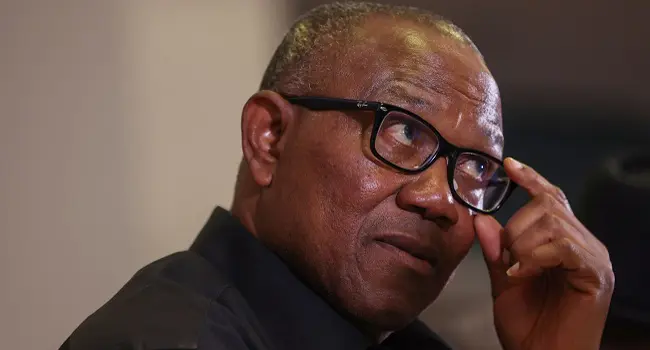
Former Labour Party presidential candidate Peter Obi is expected to formally depart the party this week, ending his association with the platform that propelled him to national prominence during the 2023 election, multiple political sources have revealed.
While Obi’s exit appears certain, his next political destination remains unclear, with ongoing consultations across various opposition groups as different parties vie for his allegiance ahead of the 2027 general elections.
Sources indicate that despite strong interest from the African Democratic Congress (ADC), Obi is unlikely to join that party. Negotiations between the ADC and the former Anambra State governor have stalled over conditions he wants implemented, which the party has yet to agree to.
“ADC wants Peter Obi by all means, but there are internal processes and structural issues he wants addressed, which the party is not yet prepared to implement,” an insider disclosed.
Complicating matters further, sources suggest the ADC may have already settled on former Vice President Atiku Abubakar as its preferred presidential candidate for 2027, potentially clashing with Obi’s own ambitions.
Given these dynamics, sources indicate Obi may establish or join an entirely new political platform rather than align with existing opposition parties, where entrenched interests could constrain his political manoeuvring.



Obi’s departure stems from the Labour Party’s persistent and unresolved leadership crisis that has plagued the party since the 2023 elections. The dispute centres on former National Chairman Julius Abure’s tenure, which Obi and other stakeholders argue was invalidated by a Supreme Court judgment. However, the Independent National Electoral Commission has not fully implemented that ruling, prolonging the turmoil.
The leadership battle has fractured the party into rival factions, each claiming legitimacy, hampering decision-making and weakening the party’s cohesion as an opposition force.
Sources close to Obi say he believes his presence has intensified the crisis, with competing factions attempting to leverage his popularity to legitimise their claims.
“He feels the party is going through this prolonged turmoil largely because of him,” a source explained. “Every faction wants to be seen as having his backing, and that has made reconciliation almost impossible. His view is that stepping aside may give the party space to resolve its issues.”
The Labour Party transformed from obscurity to national relevance during the 2023 presidential election, driven by Obi’s candidacy and the grassroots “Obidient” movement. However, post-election infighting, legal battles, and leadership disputes have eroded that momentum, with several elected officials defecting.
Obi reportedly seeks a platform offering internal democracy, clear leadership structures, and freedom from protracted litigation. His departure is expected to trigger significant realignments within opposition politics as parties position themselves to capture his substantial support base ahead of 2027.
When contacted, ADC spokesman Bolaji Abdullahi could not confirm whether Obi would join the party but said he would be warmly welcomed without conditions if he chose to do so.
Attempts to reach Labour Party officials and the Obedient Movement’s National Coordinator for comment were unsuccessful.