









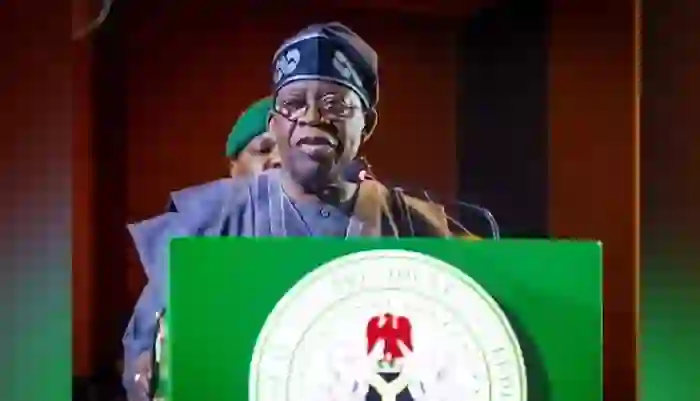
Concerns are mounting over what many describe as a steady increase in government service charges under the administration of President Bola Ahmed Tinubu, with critics arguing that Nigerians are being forced to shoulder the burden of bureaucratic inefficiencies.
Over the past three years, the cost of essential government services—including international passports, driver’s licences, vehicle number plates, cargo handling, and shipment processing—has risen sharply. Authorities have defended these increases as necessary reforms to improve efficiency, reduce corruption, and cover operational costs. However, many Nigerians say the reality does not match these claims, as access to basic civic services becomes increasingly expensive.
For instance, the introduction of a contactless passport application system by the Nigeria Immigration Service was expected to simplify the process, particularly for Nigerians in the diaspora. Instead, users have reported persistent technical issues and delays, with some describing the initiative as ineffective despite official assurances of system upgrades.
Experiences within Nigeria paint a similar picture. Applicants continue to encounter long queues and bureaucratic bottlenecks at passport offices, while unofficial payments to fast-track applications remain widespread. In some cases, individuals report paying far above official fees to obtain travel documents within a reasonable timeframe.
RelatedPosts

Between September 2024 and September 2025, passport fees reportedly rose by as much as 185 percent, jumping from about ₦19,000 to as high as ₦100,000. Critics say this increase has not translated into improved service delivery.
Other sectors have seen similar hikes. The Federal Airports Authority of Nigeria increased cargo tariffs significantly, sparking concerns among logistics operators about the impact on business costs and economic stability. Freight industry stakeholders warn that higher charges could discourage trade and worsen the cost of goods.
In the postal sector, the Nigerian Postal Service introduced new charges on outbound parcels to the United States, citing international policy changes. Meanwhile, the Joint Tax Board approved higher fees for driver’s licences and vehicle registration, adding to the financial burden on motorists.
Similarly, the National Identity Management Commission revised its service fees upward, increasing the cost of correcting personal details and reissuing identification slips. While initial enrolment for the National Identification Number remains free, other services now come at higher rates.
Critics argue that these repeated increases are occurring at a time when Nigerians are already grappling with inflation, unemployment, and stagnant wages. Some analysts say the government appears to be relying heavily on administrative charges as a source of revenue rather than pursuing broader economic reforms.
Experts also highlight a growing disconnect between rising costs and service quality. Many Nigerians still face delays, technical failures, and administrative inefficiencies despite paying significantly more for services. This imbalance, they warn, risks eroding public trust and deepening dissatisfaction.
There are also concerns about the lack of adequate social safety nets to cushion the impact of these policies. Analysts note that without targeted welfare programmes and improved transparency in how revenues are used, the burden of these reforms will continue to fall disproportionately on low-income citizens.
Adding to the concerns, recent findings by the World Bank indicate that economic recovery has yet to translate into improved living conditions for many Nigerians, with poverty levels remaining high and real incomes under pressure.
As costs continue to rise, critics warn that essential services such as obtaining identification documents are becoming unaffordable for many, raising questions about accessibility, governance priorities, and the long-term sustainability of the current approach.
READ ALSO:
- Bola Ahmed Tinubu Orders Cabinet Shake-Up, Appoints Taiwo Oyedele as Finance Minister
- Ogun East: Beyond the Motor Park Politics By Shola Akinkunmi
- 2027 Elections: Kwankwaso Urges Nigerians To Act On Voter Registration
- Tinubu Committed to Ending Religious Tensions, Insecurity Ambassador Tells UN
- Abuja Under Scrutiny: U.S. Travel Advisory Sparks Fresh Concerns Over Nigeria’s Security Landscape