







For decades, the Peugeot 504 was a familiar sight on Nigerian roads, serving as taxis, family cars, and official vehicles for civil servants across the country. Today, that legacy is at the centre of a renewed attempt to revive Nigeria’s long-dormant automotive industry.
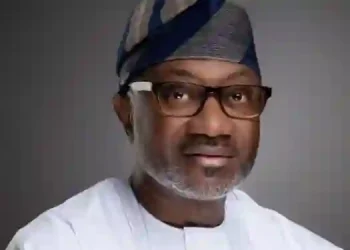
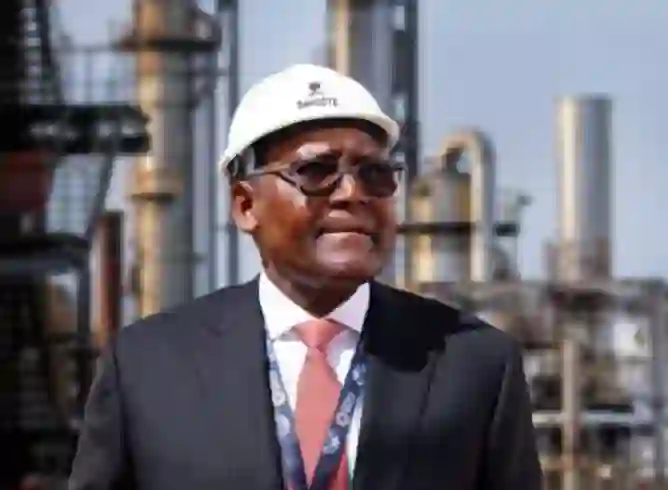
The push is being led in part by Africa’s richest man, Aliko Dangote, through his involvement in Peugeot’s local operations and broader investments in manufacturing across key sectors.
Peugeot once dominated Nigeria’s automobile market through Peugeot Automobile Nigeria (PAN), with its Kaduna assembly plant symbolising the country’s early industrial ambition. However, years of economic decline, policy inconsistency, rising imports of used vehicles, and foreign exchange challenges pushed the company into crisis.
By 2012, PAN had accumulated heavy debts and was taken over by the Asset Management Corporation of Nigeria (AMCON), raising doubts about its future and marking a major setback for local vehicle production.
The turning point came in 2016 when Dangote joined a consortium that acquired control of PAN Nigeria. This move aligned with his broader industrial strategy of reducing Nigeria’s dependence on imports by building domestic production capacity in sectors such as cement, fertiliser, and energy.
Rather than simply restoring the old structure, the investment evolved into a new partnership with Peugeot’s global owners, leading to the formation of Dangote Peugeot Automobiles Nigeria (DPAN). The arrangement granted rights to assemble and market Peugeot vehicles locally under a modern framework.
Following the merger that created Stellantis in 2021, the partnership was sustained, strengthening its global backing.
DPAN later developed a new assembly plant along the Kaduna–Abuja Expressway, which began operations in 2022 with the Peugeot 301. Production has since expanded to include models such as the Peugeot 508, 3008, 5008, and the Landtrek pickup.
In 2026, Stellantis announced further expansion of local production for newer Peugeot SUV models in Kaduna, signalling continued investment in Nigeria’s auto assembly sector.
Despite this progress, production levels remain below capacity, as the company works to scale operations, deepen local content, and build a stronger supplier base.
Nigeria remains a major market for vehicles in Africa, but the industry is still heavily dependent on imports, especially used cars. Analysts say challenges such as financing gaps, infrastructure limitations, and policy instability continue to hinder local manufacturing.
Still, Peugeot carries a strong advantage: brand familiarity. For many Nigerians, it represents a time when locally assembled cars were common and the auto industry was more vibrant.
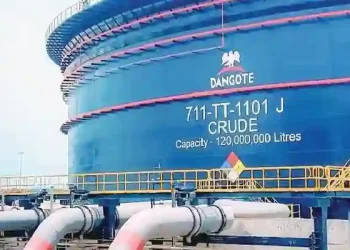
For Dangote, the project fits into a wider industrial vision already seen in cement and fertiliser production, and more recently in petroleum refining through the massive Dangote Refinery.
The Peugeot revival is therefore more than a business venture—it is another test of whether Nigeria can successfully rebuild large-scale manufacturing after decades of decline.

While the outcome remains uncertain, the return of Peugeot production in Kaduna marks a symbolic step in that direction, as one of Nigeria’s most recognisable automotive names attempts a comeback on home soil.
READ ALSO:
- New Nollywood Makes More Money, But Old Nollywood Reached More Nigerians
- Why I’m Often Cast as a Witch in Nollywood — Mama G
- Tinubu walks to office, eats once daily, says NRS chairman
- Davido urges Trump, world leaders to monitor Osun governorship election
- Pastor Jerry Eze appointed Heirs Life Assurance independent director