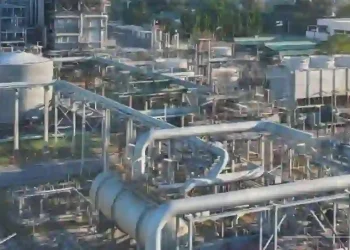











Nigeria’s energy sector leaders have reaffirmed their support for carbon capture and storage (CCS) technologies as the country intensifies efforts to balance economic development with climate action and environmental sustainability.
The stakeholders made the call during discussions on Nigeria’s energy transition, stressing that carbon capture remains one of the most practical solutions for reducing greenhouse gas emissions while allowing the country to continue harnessing its vast oil and gas resources.
Industry experts noted that Nigeria, as Africa’s largest crude oil producer, cannot afford to abandon its hydrocarbon resources abruptly. Instead, they advocated the adoption of cleaner technologies that would reduce emissions from existing industrial activities and position the country to meet global climate commitments without sacrificing economic growth.
According to the experts, carbon capture technology enables carbon dioxide (CO₂) emissions generated from industrial facilities and power plants to be captured before they are released into the atmosphere. The captured carbon is then transported and safely stored underground or reused for industrial purposes, significantly lowering the environmental impact of fossil fuel operations.
They argued that embracing CCS would help Nigeria maintain its competitiveness in the global energy market while supporting industrialisation, job creation and increased investment in the energy sector.
The stakeholders also stressed that integrating carbon capture into Nigeria’s energy strategy would improve the country’s chances of attracting international climate financing and partnerships aimed at supporting low-carbon development.
They noted that global demand for cleaner energy production is increasing rapidly, making it essential for Nigeria to adopt technologies that align with international environmental standards while sustaining revenue from oil and gas exports.
Industry leaders further explained that carbon capture could play a critical role in sectors where emissions are difficult to eliminate, including cement manufacturing, steel production, fertiliser plants and other heavy industries that contribute significantly to carbon emissions.
They maintained that deploying CCS infrastructure would not only help reduce industrial emissions but also preserve thousands of jobs linked to Nigeria’s petroleum industry during the transition to cleaner energy.



The experts urged the Federal Government to establish clear regulatory frameworks and incentives that would encourage private-sector investment in carbon capture projects. They called for policies that support research, innovation and collaboration between government agencies, energy companies and international partners.
They also recommended increased investment in geological studies to identify suitable underground storage sites for captured carbon, as well as the development of pipeline infrastructure required to transport captured emissions safely.
According to the stakeholders, successful implementation of carbon capture projects would strengthen Nigeria’s commitment to achieving net-zero emissions while ensuring energy security and economic stability.
They added that no single technology can deliver the energy transition alone, emphasizing that renewable energy, natural gas, hydrogen and carbon capture must work together to achieve long-term sustainability goals.
The energy leaders concluded that with the right policies, investment and technological innovation, carbon capture could become a major pillar of Nigeria’s strategy to achieve sustainable economic growth, reduce emissions and remain a key player in the global energy industry.
READ ALSO:
- Nigeria’s Digital Economy Is Surging, But Its Fibre Backbone Is Under Threat
- BRICS Leaders Adopt Declaration On Conflicts, Trade, Tariffs
- INEC Releases Final List Of 2027 Presidential Candidates
- Five Islamic Clerics Abducted After Prayer Meeting At Yari’s Zamfara Residence
- Ogun Transport Chairman, Iyeru, Dies