









The Federal Government has set itself the task of nearly tripling manufacturing’s share of Nigeria’s economy, targeting a contribution of 20 to 25 per cent of real Gross Domestic Product by 2030. It says the plan rests on cheaper gas and steadier electricity for industrial clusters, even as factory owners warn that energy costs are choking them today.
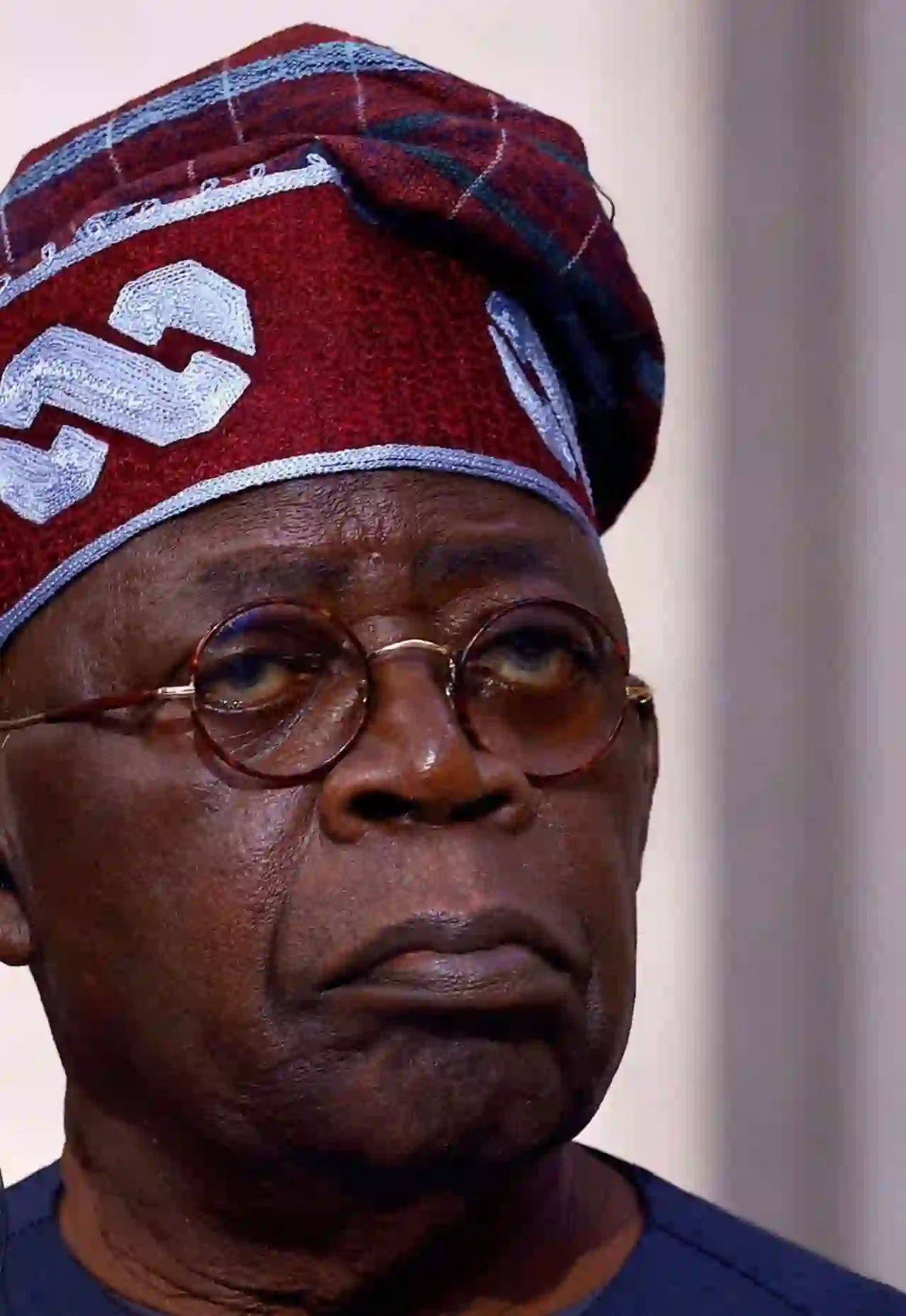
President Bola Ahmed Tinubu announced the ambition at the 54th Annual General Meeting of the Manufacturers Association of Nigeria (MAN) in Lagos, where he was represented by the Minister of State for Industry, Trade and Investment, John Owan Enoh.
The sector currently accounts for just 7.72 per cent of real GDP, even though it grew by 3.29 per cent in the first quarter of 2026 and 3.24 per cent in the second. The President acknowledged that the target would demand far more than higher output, and that producers also need affordable energy, long-term finance, raw materials and bigger markets.
“We will continue to prioritise gas for industry and provide reliable power for industrial clusters because the cost of energy is the cost of everything we make,” he said, conceding that high energy costs remain a major drag on the competitiveness of Nigerian goods.
On financing, the President said government would work with the Bank of Industry and other development finance institutions to deliver patient, affordable long-term capital to productive businesses. He said up to five per cent of GDP could be channelled into industrial financing, with a focus on sectors where Nigeria holds a clear edge, including metals and solid minerals, oil and gas, and construction.
To keep the plan on track, the administration has set up an Industrial Revolution Work Group, chaired by the Minister of State for Industry, Trade and Investment and co-chaired by the MAN president. The group will monitor factories reopened, capacity utilisation, jobs created and exports generated. Government also intends to use public procurement as a lever through its Nigeria First policy, which seeks to make qualifying made-in-Nigeria products the preferred choice in government purchasing.
Beyond the home market, Tinubu pointed to the African Continental Free Trade Area (AfCFTA), with its roughly 1.4 billion people and combined GDP of about $3.4 trillion, as the biggest opening for Nigerian manufacturers. He said government was working to harmonise standards, cut border delays and ease trade facilitation. The President noted that Nigeria’s non-oil exports hit a record $6.1 billion in 2025, yet only 3.4 per cent went to ECOWAS neighbours, a sign of how little Nigerian manufactured goods have penetrated even the immediate region. He added that Africa holds nearly a fifth of the world’s population but produced only 3.2 per cent of global GDP and about two per cent of global manufacturing value added in 2024, a gap he described as room for Nigeria to grow into. Nigeria, he said, must stop exporting raw materials and importing finished goods, and start producing for both local consumption and export.
The President did not shy away from the pressure on factory floors. He disclosed that unsold manufactured inventories have climbed to nearly N2 trillion, with some companies reportedly selling below cost just to keep their plants running. To reassure operators, he said headline inflation had eased for three consecutive months to 15.39 per cent in August, external reserves stood at $55.25 billion as of September 18, and the Monetary Policy Rate was at 23 per cent.
For manufacturers, however, those macroeconomic markers have yet to translate into relief. MAN President Francis Meshioye said the Nigeria Industrial Policy offers a real chance to speed up industrial development, but warned that its success would hinge on consistent implementation, measurable targets and accountability. He argued that Nigeria is exporting more without adding more value at home, citing National Bureau of Statistics figures showing total exports of N85.13 trillion in 2025, against manufactured exports of only N2.50 trillion, or 2.94 per cent of the total.



Meshioye listed the burdens weighing on producers: inadequate and expensive electricity, high input and logistics costs, weak manufactured exports, unfair competition from imports, policy uncertainty, poor infrastructure, skills and technology gaps, and multiple taxation.
He urged government to quicken implementation of the industrial policy and to strengthen the Industrial Revolution Work Group with firm timelines and clear deliverables. He also called for a Nigeria First Industrial Fund to provide long-term concessionary loans, and for a review of industrial electricity pricing. According to him, manufacturers should have dedicated electricity feeders and embedded generation to cut the cost and uncertainty of power supply.
The MAN president further asked for better foreign-exchange access for productive manufacturers, tougher trade-defence measures against dumping and substandard imports, and settlement of outstanding foreign-exchange forward obligations. He also pressed for gas to be prioritised for manufacturers, saying adequate and affordable supply would lower the cost of generating industrial power.
The government’s 20 to 25 per cent target therefore puts energy supply, financing, local procurement and regional market access at the heart of its industrialisation drive. Whether it succeeds will depend on whether these promises become lower production costs, higher capacity utilisation, fresh investment and stronger demand for goods made in Nigeria.
- Tinubu Bets on Gas and Power to Lift Manufacturing to 25 Per Cent of GDP by 2030
- NESREA to Honour Lagos Community Leader Who Saved a Giant Endangered Sea Turtle
- Hunye Alleges Plot to Strip His Security Detail, Vows to Stay in Race
- Ayo Sogbuyi Takes the Helm as President of Wamufat Youth Community Development Foundation
- Traditional Chief Shot Dead at Burial Ceremony in Ondo