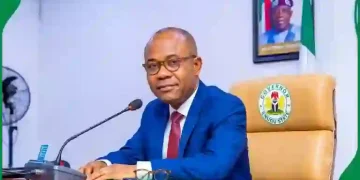









Former Director of the Department of State Services (DSS), Dennis Amachree, has attributed the rise in insecurity during the administration of former President Muhammadu Buhari to what he described as government inaction, corruption, and the payment of ransoms to criminal groups.
In his newly released book, DSS@40: My Journey Behind the Shield, Amachree argued that the Buhari administration failed to respond effectively to the growing threats of insurgency, banditry, and kidnapping, allowing the security crisis to deepen across the country.
According to him, despite Buhari’s military background, many Nigerians believed the government did not take decisive action against worsening insecurity. He said this perception created the impression of a leadership that neither understood nor adequately addressed the country’s security challenges.
Amachree also criticized remarks made by the former president, including describing Nigerian youths as “lazy” during an international engagement, saying such comments further alienated young people already struggling with widespread unemployment.


The former DSS director further alleged that corruption among top government officials contributed to the security crisis. He claimed that billions of naira were secretly paid to bandits as ransom, arguing that such payments effectively funded criminal activities.
He noted that although government officials denied making ransom payments, statements by notorious bandit leader Bello Turji contradicted those claims, weakening public confidence in the government’s fight against insecurity.
Amachree maintained that Nigeria’s security challenges are driven less by ethnic divisions and more by the actions of the political elite, whom he accused of putting personal interests above national stability.
He argued that ordinary Nigerians are often prevented from living peacefully because of poor governance and political selfishness, adding that the country’s ruling class remains the biggest obstacle to lasting peace and security.
The security expert concluded that while the economy weakened and insecurity intensified, many political leaders continued to pursue personal ambitions instead of addressing the nation’s pressing challenges.
READ ALSO:
- IPOB Vows To Boycott 2027 Elections Over Nnamdi Kanu’s Appeal
- Peter Mbah Appoints Actress Rachael Okonkwo, 100 Others As Aides
- FG Meets Refiners, Marketers Over Rising Petrol Price as Pump Price Hits ₦1,450
- UK removes Nigerian, Ghanaian-trained teachers from England’s QTS route
- Tinubu Urges Africa to Stop Exporting Raw Minerals, Push Local Processing