










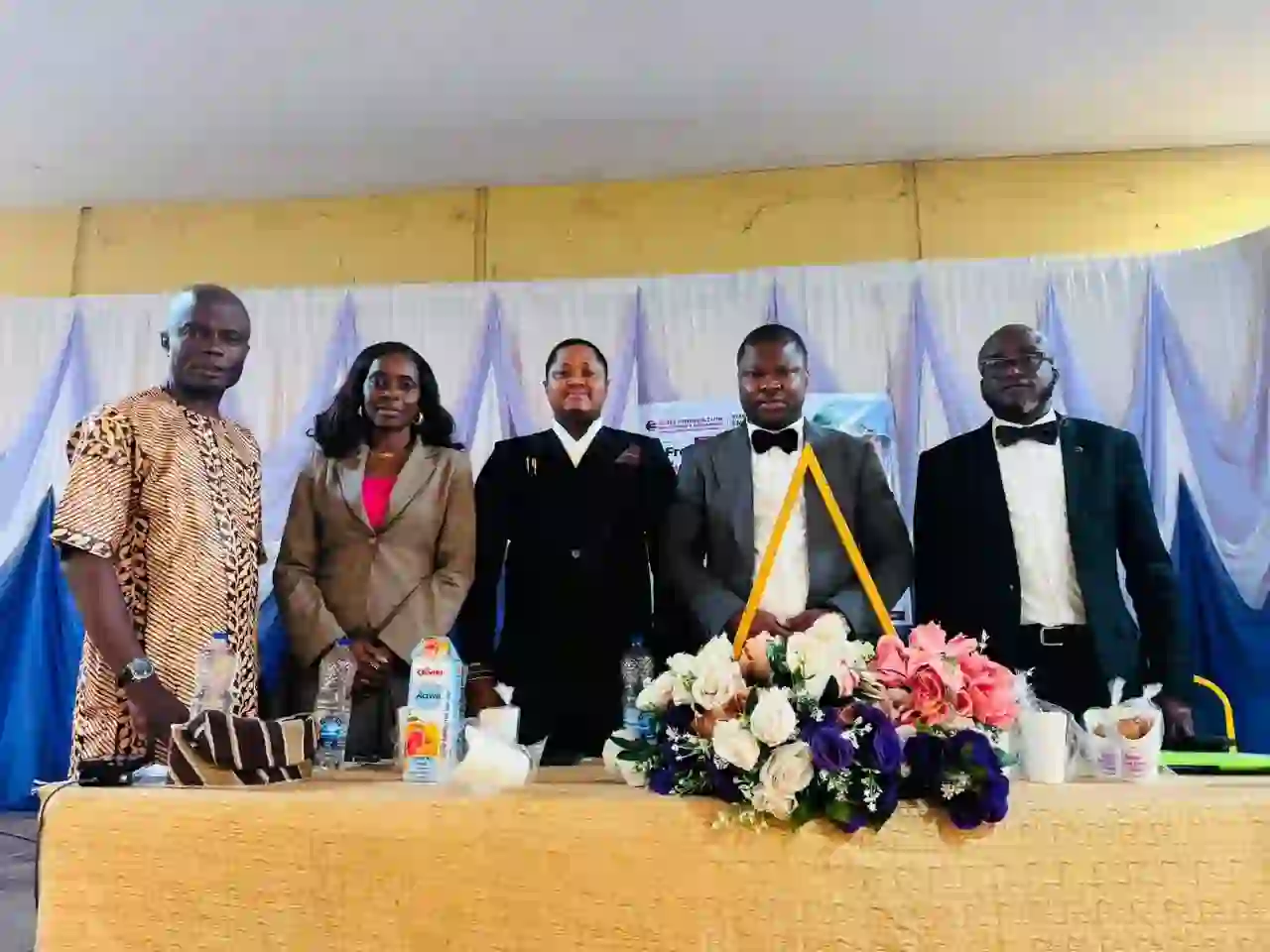
Leading professionals, educators, legal practitioners and development advocates have convened under the banner of Stakeholders’ Engagement 1.0 to chart a new course for Nigeria’s health and social care systems, with a sharp focus on youth unemployment reduction and the demarketing of criminality.
Themed “From Policy to People: Getting Health & Social Care Right in Nigeria,” the engagement brought together a formidable multidisciplinary panel whose combined expertise spans law, education, strategic communication, governance and institutional development. Organised by the Rere Foundation for Progressive & Development (RFP&D), the event positioned itself not merely as a conference, but as the genesis of a nationwide implementation movement.
A Multidisciplinary Panel for a Complex Challenge
The composition of the panel reflected the cross-cutting nature of the challenges at hand. Mr. Segun Adesanya, Esq., Chief Executive Officer and Convener of RFP&D, anchored the conversation around policy leadership, institutional coordination and legal frameworks, emphasising the urgent need to convert dialogue into an actionable roadmap.
Mr. Wale Adenaya, Board of Trustees Chairman and a secondary school principal, brought an educator’s lens to the discourse, addressing youth development, leadership cultivation, career preparation and the often-overlooked school-to-work transition that determines whether young Nigerians enter the workforce prepared or vulnerable.
Mrs. Oluwakemi Odeyinde-Osiyale, Marketing Lead at CKA, Ijebu Ode, introduced a strategic communication dimension, arguing that behavioural change, public awareness and community mobilisation must be weaponised to demarket criminality and promote positive alternatives among the youth population.
Legal institutional strengthening formed a central pillar of the discussion, with Mr. Damilare Olukoya, Esq., Managing Partner at Law Giant, emphasising regulatory frameworks, justice delivery, accountability mechanisms and the protection of citizens’ rights as non-negotiable foundations for social progress.
Otunba Taofik Oladele Lawal, Esq., Trustee of RFP&D and legal practitioner, contributed insights on governance, institutional sustainability and trusteeship, while Mr. Oloyede Adelani Samson, Esq., Head of Chambers at Obochie Law Firm, focused on access to justice, legal reform, regulatory enforcement and the justice system’s role in strengthening social protection and community development.



Beyond Paper: Policies That Work in Communities
The engagement arrived at a sobering yet galvanising realisation: Nigeria is not short of policies. The Federal Ministry of Health’s current framework already emphasises implementation, health-system strengthening, coordination, monitoring and citizen-centred policymaking. The deficit, participants agreed, lies in execution.
“Nigeria does not only need policies that look good on paper; it needs policies that work in communities,” emerged as the central message of the gathering. The stakeholders argued that getting health and social care right is not an isolated administrative objective—it is a lever for improving human welfare, strengthening institutions, creating employment and furnishing young Nigerians with legitimate pathways to economic independence.
The fight against criminality, they contended, cannot be won through enforcement alone. It must be complemented by a parallel fight for opportunity, dignity, skills, employment and inclusion.
Out of the deliberations emerged a proposed roadmap built around four interconnected principles: Implementation, Accountability, Employment and Impact.
The roadmap envisions a collaborative ecosystem where government agencies, legal professionals, educators, private-sector actors, civil society organisations, communities and young people themselves coalesce around measurable outcomes. If executed with fidelity, the stakeholders argued, “From Policy to People” can transcend its status as a theme and become a practical framework for transforming Nigeria’s health, social-care and youth-development landscape.
A Declaration of Commitment
The engagement concluded with a solemn declaration that encapsulates its transformative ambition:
“We commit to moving Nigeria from policy pronouncements to measurable people-centred outcomes; from unemployment to opportunity; from vulnerability to empowerment; and from the normalization of criminality to a culture that makes legitimate work, innovation, service and responsible citizenship the more attractive choices for our young people.”
As the curtains fell on Stakeholders’ Engagement 1.0, one message resonated clearly: the era of policy without practice is ending. What remains is the harder, more consequential work of implementation, and the stakeholders in that Ijebu Imusin hall have pledged to lead it.
READ ALSO:
- Zacch Adedeji Under Fire Over Defence of Tinubu’s Lifestyle
- I Sold My Nissan for N180k, Bought Okada, Had Multiple Accidents — Veteran Actor Sunday Afolabi Cries Out
- From Policy To People: Stakeholders Unveil Roadmap To Transform Nigeria’s Health, Social Care And Youth Employment Landscape
- Osun Election: Adeleke, Oyebamiji, Salaam, Esan Battle Over Plans, Victory
- Two African Countries to Grant Nigerians Visa-Free Entry From 2027