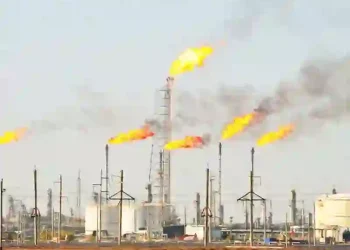










Global fuel prices may see a downward adjustment in the coming days as crude oil prices continue to decline amid renewed diplomatic engagement between the United States and Iran.
On Monday morning, crude oil prices fell sharply from about $111 last week to $97.48 per barrel, driven by rising optimism that ongoing negotiations could lead to improved stability in the Middle East and possible reopening of the strategic Strait of Hormuz.
The development has strengthened expectations that petrol, diesel, and aviation fuel prices may begin to ease if the downward trend in crude prices persists.
Earlier projections had suggested that any breakthrough between Washington and Tehran could significantly ease pressure on global oil supply routes, particularly the Strait of Hormuz, through which a large share of the world’s crude oil is transported.
Before Monday’s decline, Brent crude had traded between $103 and $105 per barrel over the weekend, following signals of progress in diplomatic discussions. However, by early Monday, prices slipped to $97.48, raising speculation of further reductions if supply conditions stabilise.
The Strait of Hormuz remains one of the world’s most critical oil transit corridors, accounting for roughly 20 percent of global crude shipments. Any disruption or reopening of the route has a direct impact on international energy prices.
Crude Oil Surge Previously Triggered Fuel Hike
Crude oil prices had surged significantly since tensions escalated between the United States and Iran in late February. At the peak of the crisis, prices climbed above $100 per barrel and at some point exceeded $115.
Before the conflict, oil traded below $70 per barrel, but the escalation led to a sharp increase in global energy costs.
In Nigeria, the impact was felt through higher pump prices, with petrol rising from about ₦830 per litre to around ₦1,300 per litre. Diesel and aviation fuel also recorded steep increases, forcing airlines and transport operators to warn of possible operational disruptions.
Dangote Refinery and Market Expectations
With crude prices now easing, industry analysts say there is growing speculation that domestic refiners, including the Dangote Petroleum Refinery, may review fuel pricing downward if the trend continues.
However, they stressed that any reduction would depend on multiple factors, including crude sourcing costs, foreign exchange rates, logistics expenses, and competitive market dynamics within Nigeria’s downstream sector.
US–Iran Negotiations Show Progress
Reports indicate that the United States and Iran have made progress toward a preliminary understanding aimed at de-escalating tensions and reopening the Strait of Hormuz.



US President Donald Trump stated that discussions were advancing and that the waterway could be reopened under a broader regional agreement involving several Middle Eastern countries.
He added that he had engaged leaders across Saudi Arabia, the United Arab Emirates, Qatar, Pakistan, Türkiye, Egypt, Jordan, Bahrain, and Israel as part of the diplomatic efforts.
Trump also noted that while progress was being made, final details of the agreement were still under negotiation.
Iran Cautions Against Premature Conclusions
Iran’s foreign ministry confirmed that talks with the United States were ongoing but cautioned that no final agreement had been reached.
Spokesperson Esmail Baqai stated that while significant progress had been made on several issues, it was too early to suggest that a formal deal was imminent.
He emphasized that discussions were still underway and that concluding otherwise would be premature.
His remarks followed comments from US Secretary of State Marco Rubio, who suggested that a deal could potentially be reached soon.
Possible Impact on Global Oil Market
The proposed framework reportedly includes a temporary ceasefire extension, reopening of the Strait of Hormuz, and continued negotiations on Iran’s nuclear programme.
If successfully implemented, the agreement could ease global supply concerns and place further downward pressure on crude oil prices.
For Nigeria and other oil-dependent economies, a sustained drop in crude prices may bring some relief to consumers who have faced months of high fuel costs.
However, analysts caution that any reduction at the pump will depend on domestic factors such as exchange rate stability, landing costs, and pricing decisions by fuel importers and refiners.
READ ALSO:
- Zacch Adedeji: When Academic Brilliance Runs Ahead of Judgment | By Olawale Olaleye.
- Messi Returns to Inter Miami Days After Father’s Burial
- PENGASSAN: Poverty Must Be Tackled To Reduce Insecurity In Nigeria
- Rufai Oseni Questions Fadahunsi’s AI Explanation Over Viral Video
- Femi Kuti Says Judiciary, Not Tinubu, Is Nigeria’s Biggest Problem