







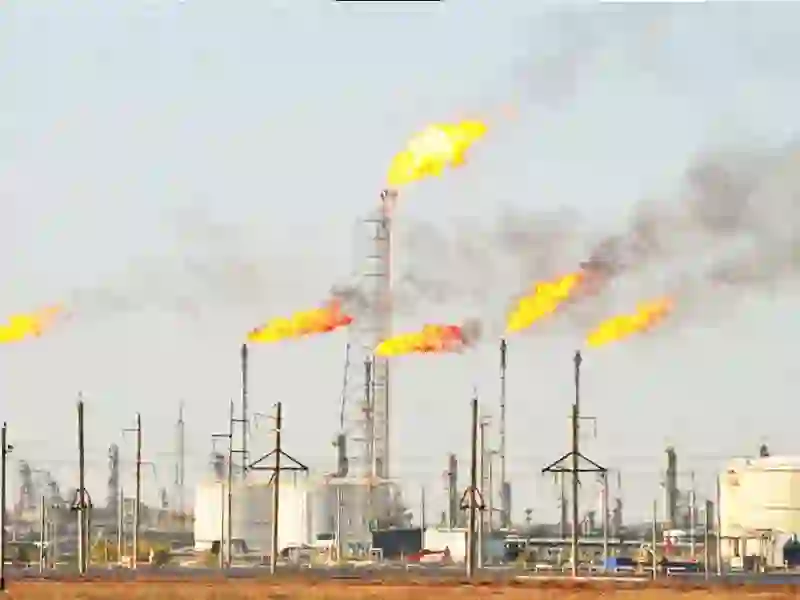
Nigeria lost an estimated 3,100 gigawatt-hours (GWh) of electricity generation potential in May 2026 due to continued gas flaring by oil companies, highlighting a major obstacle to the Federal Government’s goal of building a gas-powered economy by 2030.
The loss comes amid conflicting figures released by two government agencies on the volume of gas flared during the period. While the Nigerian Upstream Petroleum Regulatory Commission (NUPRC) reported that 17.6 million standard cubic feet (MMSCF) of gas were flared, the National Oil Spill Detection and Response Agency (NOSDRA) estimated the volume at 30.7 million standard cubic feet (MSCF).
According to NOSDRA, the gas flared in May was valued at approximately $107.5 million, while the companies responsible—including several international oil firms—could face penalties totaling $61.4 million.
The agency also revealed that gas flaring from onshore oilfields rose sharply, accounting for 22.3 MSCF, compared with 8.4 MSCF flared offshore during the same period.
Beyond the economic losses, NOSDRA said the flaring released an estimated 1.6 million tonnes of carbon dioxide into the atmosphere, worsening environmental pollution and contributing to climate change.
The agency noted that despite decades of efforts to curb gas flaring, the practice has continued in Nigeria since the 1950s, releasing harmful greenhouse gases into the environment.
The Federal Government has consistently reaffirmed its commitment to the “Decade of Gas” initiative, launched in 2021 to transform Nigeria into a gas-driven economy by 2030 through improved electricity generation, industrial gas utilisation and increased exports.
Government policy documents identify increased gas utilisation for power generation and greater investment across the gas value chain as key priorities for achieving the initiative’s objectives.
However, industry data suggest that despite significant investments in the gas sector, gas flaring remains high, indicating that increased funding has yet to produce corresponding improvements in gas production and utilisation.
The persistent flaring problem has also been linked to Nigeria’s chronic electricity shortages, as inadequate gas supply continues to limit the ability of electricity generation companies (GenCos) to consistently produce more than 4,000 megawatts of power for homes and businesses.
Meanwhile, the Renevlyn Development Initiative (RDI) has called on the Federal Government to impose a total ban on gas flaring, arguing that oil companies have become comfortable paying fines instead of investing in measures to eliminate the practice.
The group cited data from the Nigerian Oil Spill Monitor showing that oil companies operating in the country paid an estimated $646 million in gas-flaring penalties in 2025, the highest amount recorded in the past five years.
READ ALSO:
- Miners’ Deaths: NSCDC Suspends Three More Personnel, Orders Three-Day Half-Mast
- Soludo: APGA helped many Igbo politicians rise to prominence
- Shettima to Deliver Nigeria’s Statement at UNGA on Thursday
- FG begins N1.1bn exit benefit payment to 175 retirees
- Redeemer’s Health Village Makes History With West Africa’s First Tele-Robotic Surgery