









Germany has failed to win a seat on the United Nations Security Council (UNSC) for the first time since joining the UN in 1973, suffering a major diplomatic setback in the election for non-permanent members of the council.
The election, held on Wednesday during the UN General Assembly session, saw Austria and Portugal emerge victorious in the highly competitive race for the Western European seats, leaving Germany short of the required two-thirds majority needed for election.
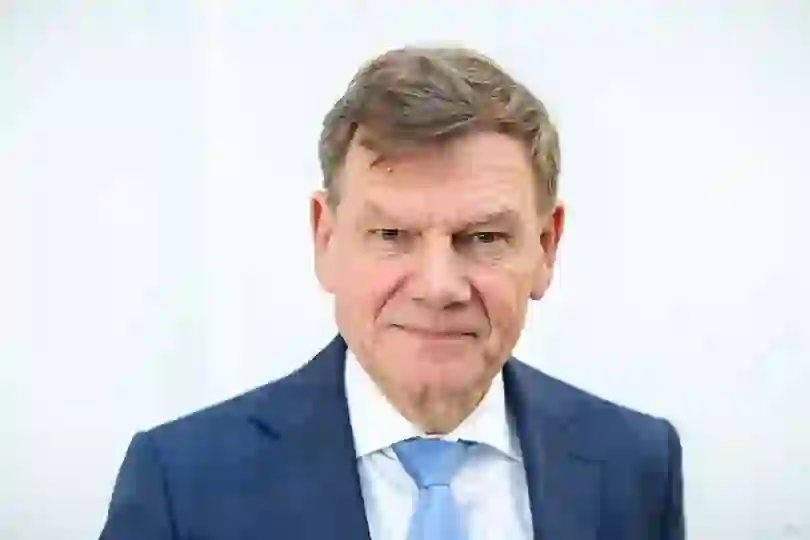
Reacting to the outcome, Germany’s Foreign Minister, Johann Wadephul, described the result as a “bitter defeat,” attributing it largely to what he called a campaign by Russia aimed at preventing Germany from securing a seat on the council.
According to Wadephul, Germany’s strong support for Ukraine in its ongoing conflict with Russia may have influenced the voting pattern among UN member states.
“There is our firm support for Ukraine, and Russia does not want such a voice on the Security Council,” the minister said, adding that Moscow’s efforts to sway opinion against Germany were well known.
The United Nations conducts annual elections to select five countries that will occupy the 10 rotating seats on the 15-member Security Council for two-year terms. The council is responsible for maintaining international peace and security and includes five permanent members — China, France, Russia, the United Kingdom and the United States.
After four rounds of voting, Austria, Portugal, Trinidad and Tobago, Zimbabwe, and Kyrgyzstan secured seats on the council and will serve during the 2027–2028 term.
Zimbabwe and Trinidad and Tobago were elected unopposed to represent their respective regions, while Kyrgyzstan secured its seat after defeating the Philippines in the contest for the Asia-Pacific and Central Asian position.
Germany, despite being one of the largest financial contributors to the United Nations, received 104 votes, significantly behind Portugal’s 134 votes and Austria’s 131 votes.
Before the election, German officials had expressed confidence in the country’s campaign, highlighting its commitment to international peacekeeping and global security. However, the outcome marked Germany’s first unsuccessful bid for a non-permanent Security Council seat in more than five decades.


Wadephul also suggested that Germany’s stance on the Middle East conflict and its longstanding commitment to Israel may have cost the country support among some UN member states.
“Germany will continue to uphold its historical responsibility, even when we disagree with specific policies of the Israeli government,” he stated.
Russia has not officially responded to allegations that it lobbied against Germany’s candidacy.
The election result represents a significant diplomatic victory for Austria and Portugal, while Germany is expected to reassess its international outreach efforts ahead of future UN contests.
READ ALSO:
- Stella Okoli Steps Down as Emzor Pharma MD, Names Uzoma Ezeoke Successor
- Ogun Government Suspends Monarch, Bans Him From Wearing Crown Over Alleged Partisan Politics
- Christiane Amanpour to Leave CNN After 43 Years
- Lagos Lawyer Demands ₦25m Compensation From MTN Over Mast Damage
- Adron Chairman Adetola Emmanuelking Congratulates Anthony Osibodu on Coronation as Bobajiro of Ilishan-Remo