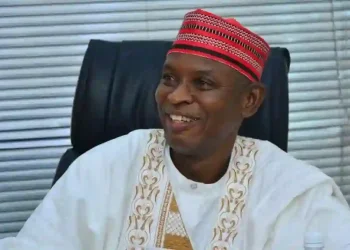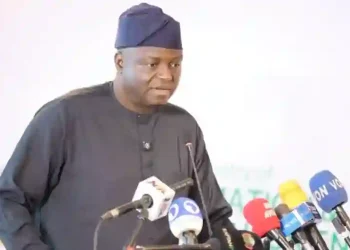


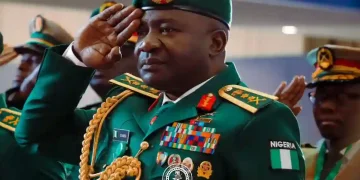

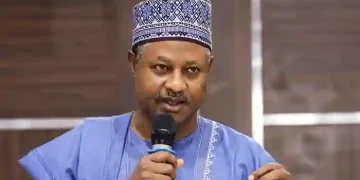
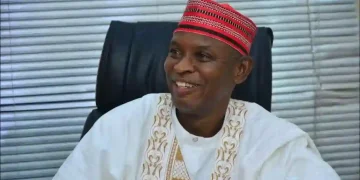


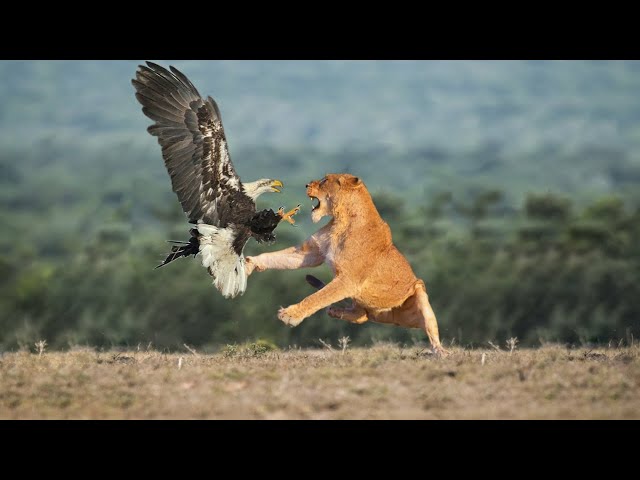
Politics, like the wild, is a theatre of survival, where some roar with legacy and others soar with strategy. When the stage is set for a contest of influence between two towering figures, the lion of familiar roars, and the hawk of calculated moves. One thrives on the power of memory, the other on the promise of metrics, writes Gbenga Onabamiro.
As the political drums echo towards another season of choices, the question lingers in every market square and meeting hall: Who truly commands the crowd, the lion whose pawprints mark the soil of yesterday, or the hawk whose eyes scan the skies of tomorrow? This is not merely a race of positions but a battle for perception, loyalty, and the pulse of the people.
Politics is a game of the mind as much as it is a game of numbers. In the political chessboard, the question of who would triumph between the Lion and the Hawk is not one that a crystal ball can answer with certainty. There is no definitive poll data, but the psychology of perception speaks volumes.
The Lion plays the heartstrings. His name carries the weight of memory—roads built, institutions founded, and the grassroots handshakes that still echo in the minds of many. People remember leaders not just for policies, but for the footprints they leave behind. In the theatre of public opinion, The Lion dances like an old song—familiar, resonant, and nostalgic.
The Hawk on the other hand, plays the calculator on economic reforms whispered in boardrooms, and steady hands steering a complex ship. But politics is not always kind to the quiet achiever. The crowd often wants the drummer they can hear, not the one counting beats behind the curtain.


In psychological terms, the Lion owns the emotional mind, while Hawk appeals to the rational mind. But elections, more often than not, are won in the emotional marketplace—where people vote with their hearts, then justify with their heads.
On paper, he has the tools. In the ballot box of sentiment, the Lion still holds the master key. In a direct clash, the old lion may yet roar louder than the young hawk.
At Sunset, we will know whose father owns the land.