










In Igbo culture, marriage is far more than a romantic union it is a sacred, communal, and deeply symbolic journey that binds not just two individuals, but two families, lineages, and histories. One of the most captivating aspects of this tradition is the list of items the bride’s family presents to the groom and his people items that must be brought before a marriage can be fully recognized.
To outsiders, it may seem like a simple checklist. But to the Igbo people, every item carries meaning, heritage, and intention.
The Bride Price List: More Than Just a List
Commonly referred to as the “Ime Ego” (payment of bride price) or “Igba Nkwu” (wine carrying ceremony), the requirements given to the groom are not arbitrary. They are carefully curated by the bride’s family and often reflect the values, status, and traditions of their community.
This list is typically presented after the “Iku Aka” (knocking on the door), where the groom’s family formally declares their intention to marry the bride.
What Do Igbo Families Ask For?
While specifics vary from one community to another, there are some widely recognized items that most Igbo families expect:
- Palm Wine
Palm wine is one of the most symbolic elements of the ceremony. It is used during the Igba Nkwu when the bride publicly identifies her groom by offering him a drink. This act signifies acceptance, love, and unity.
- Kolanuts
Kolanuts hold spiritual significance in Igbo culture. They are used for prayers, blessings, and breaking of tradition. “He who brings kola brings life” is a popular saying, reflecting its importance in ceremonies.
- Alligator Pepper
Often presented alongside kolanuts, alligator pepper symbolizes hospitality, respect, and communication with the elders and ancestors.
- Alcoholic Drinks (Hot Drinks)
These are presented to elders and community members as a sign of honor and celebration. It reflects the groom’s readiness to appreciate and respect his new extended family.
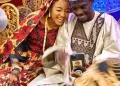
- Wrappers, Clothing, and Accessories
The bride’s family may request traditional attire such as George wrappers, lace fabrics, or even jewelry. These items are meant to honor the bride’s mother and other important female relatives.
- Goats, Chickens, or Other Livestock
Livestock symbolizes wealth, fertility, and prosperity. It also plays a role in feasting and celebration during the ceremony.
- Food Items
Yams, rice, and other staple foods are often included. Yam, in particular, is highly valued in Igbo culture and represents sustenance and hard work.
- Cash (Bride Price)
Contrary to popular belief, the bride price itself is often modest. Its significance lies not in the amount, but in the respect and appreciation it represents for the bride’s upbringing.
- Gifts for Extended Family
Some lists include specific gifts for uncles, aunts, and elders. This reinforces the communal nature of Igbo marriage it is never just about two people.
The Deeper Meaning Behind the Requirements
It’s easy to misunderstand these traditions as transactional, but that would miss the essence entirely. Each item represents:
- Respect for the bride’s family
- Commitment from the groom
- Cultural continuity passed down through generations
- Celebration of unity and abundance
These rites are not meant to burden the groom, but to test readiness, sincerity, and the ability to honor tradition.
Modern-Day Adaptations
In today’s world, many Igbo families have adapted these requirements to suit modern realities. Some items may be reduced, substituted, or symbolically represented. However, the heart of the tradition remains unchanged.
Couples now often blend tradition with contemporary style keeping the cultural essence while making the process more flexible and inclusive.
Final Thoughts
Igbo traditional marriage rites are a beautiful reminder that love is not just a personal affair it is a cultural experience woven with meaning, history, and community.
For the groom, bringing these items is not merely fulfilling an obligation; it is a powerful statement: “I am ready not just to love your daughter, but to honor where she comes from.”
And in that moment, as palm wine is shared and blessings are spoken, two families become one rooted in tradition, yet blossoming into a shared future.
READ ALSO:
- Former Delta Governor Emmanuel Uduaghan Dies At 71
- The Lee Group: Abiodun Is Flagging Off Another Gbenga Daniel’s Old Project by Seunmanuel Faleye
- Sambo Says No Party Can Match APC’s Political Structure
- How I Was Attacked for Preaching – Odumeje Speaks on Troubled Childhood, Fighting Days
- Japanese Deputy Mayor Crushed To Death By Festival Float During Saijo Festival