










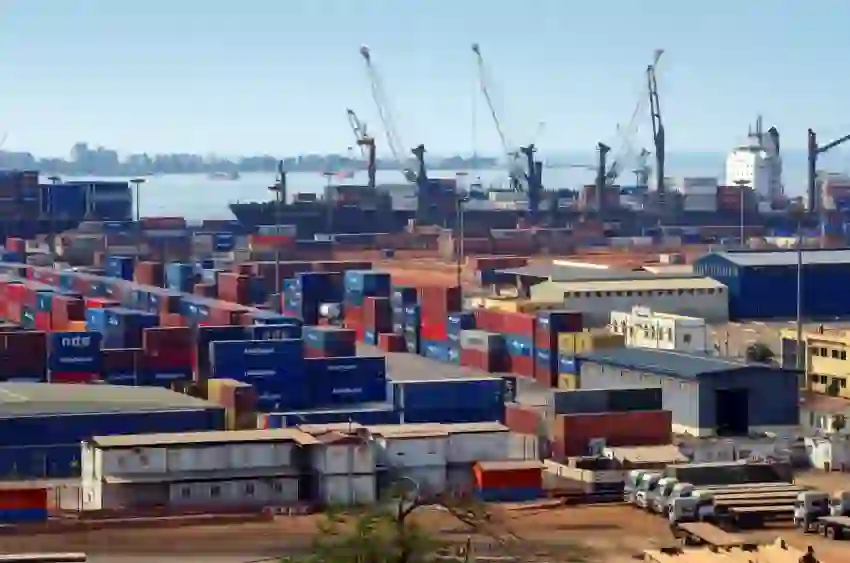
A new report by the Sea Empowerment & Research Center (SEREC) has warned that the increasing use of Nigerian seaports for drug trafficking is endangering the country’s international trade reputation, economic growth and investment prospects.
In its July 2026 Policy Bulletin, SEREC said the continued exploitation of Nigerian ports by drug trafficking networks could lead to stricter inspections of Nigerian cargo by foreign authorities, causing shipment delays, rising logistics costs and disruptions to legitimate trade.
The report noted that Nigeria’s maritime sector risks being viewed as a high-risk trade corridor if authorities fail to address the growing threat.
According to SEREC, the impact of drug trafficking goes beyond criminal activities, as it could weaken confidence in Nigeria’s port system and reduce the country’s competitiveness in global trade.
The organisation stated that persistent attempts to move narcotics through Nigerian seaports could discourage foreign investment, increase cargo clearance delays and damage the nation’s standing in international maritime commerce.
It also warned that maritime drug trafficking supports other forms of transnational crime, including money laundering, organised crime, corruption and illicit financial flows, all of which pose serious risks to national security and economic stability.



To tackle the challenge, SEREC urged the Federal Government to adopt an intelligence-driven strategy rather than relying mainly on the seizure of illicit drugs.
The report recommended the deployment of Artificial Intelligence-powered cargo profiling systems, wider installation of non-intrusive cargo scanners, stronger container tracking technology and improved collaboration among the Nigeria Customs Service (NCS), National Drug Law Enforcement Agency (NDLEA), Nigerian Ports Authority (NPA), Nigerian Maritime Administration and Safety Agency (NIMASA), as well as other security agencies.
SEREC also called for the full implementation of the National Single Window platform to improve information sharing, cargo monitoring and risk management across government agencies involved in trade and border security.
According to the organisation, combining advanced technology with stronger inter-agency cooperation would make it more difficult for criminal syndicates to exploit Nigerian ports while enhancing the smooth movement of legitimate cargo.
The report stressed that Nigeria’s seaports should remain gateways for lawful international trade rather than channels for transnational criminal activities, adding that urgent reforms are necessary to protect the country’s trade reputation, attract investment and strengthen long-term economic security.
READ ALSO:
- Tinubu Bets on Gas and Power to Lift Manufacturing to 25 Per Cent of GDP by 2030
- NESREA to Honour Lagos Community Leader Who Saved a Giant Endangered Sea Turtle
- Hunye Alleges Plot to Strip His Security Detail, Vows to Stay in Race
- Ayo Sogbuyi Takes the Helm as President of Wamufat Youth Community Development Foundation
- Traditional Chief Shot Dead at Burial Ceremony in Ondo